
Shade
Best Plants for Shade: Flowers and Foliage That Thrive Without Sun
A shady spot is not a problem to solve, it is a different palette. Here are the plants that turn low light into something lush.
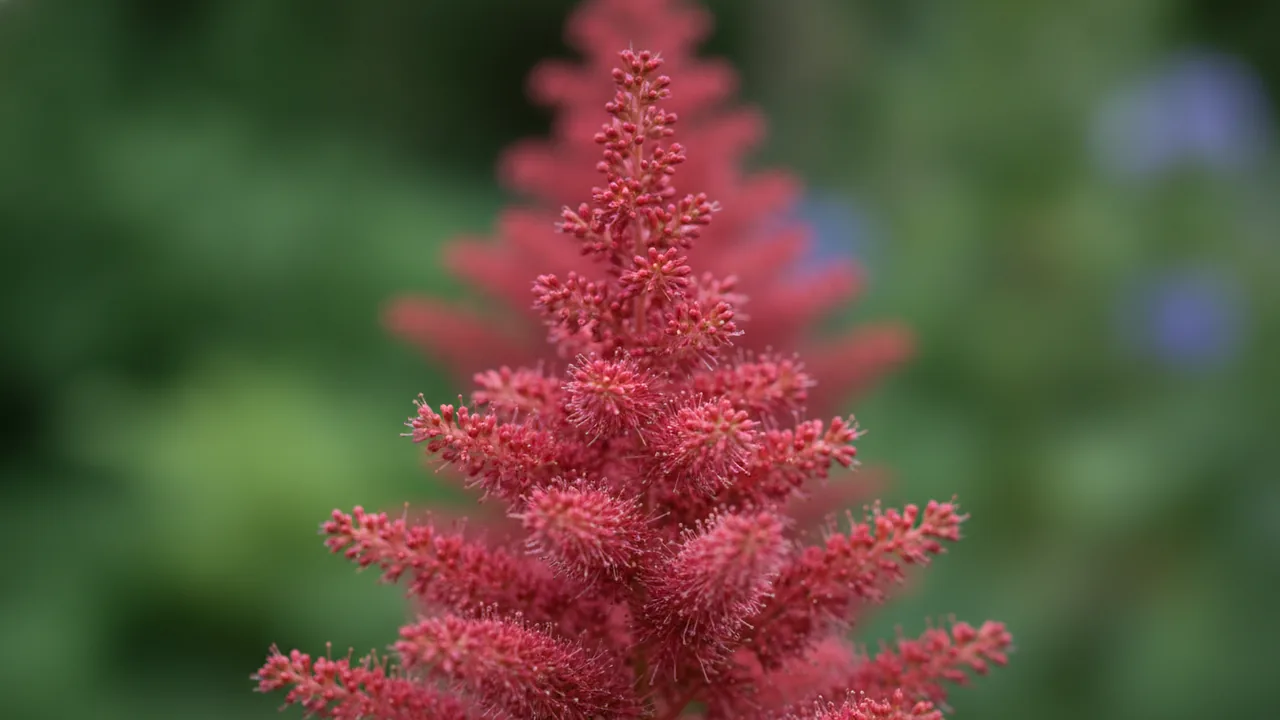
Plenty of beautiful plants evolved on woodland floors and in the shadow of larger shrubs. They bring texture, cool color, and long-lasting foliage that full-sun beds cannot match. The trick is matching the plant to the kind of shade you actually have.
First, read your shade
The word shade covers a wide range. Part shade usually means a few hours of direct sun, often gentler morning sun, and bright open light for the rest of the day. Full shade means little or no direct sun: under a dense canopy, on the north side of a building, or in a narrow side yard.
Most plants sold as shade plants prefer part shade and merely tolerate full shade. Knowing which you have keeps you from planting a part-sun bloomer where it will sulk. If you are not sure, watch the spot across one day in early summer and count the hours of direct sun it gets, then browse part-shade plants or full-shade plants accordingly.
Foliage does the heavy lifting
In shade, leaves matter more than flowers. Plants grown for bold, ribbed leaves, fine ferny texture, or silver and chartreuse color hold a bed together all season, long after any blooms have passed. Layer a few leaf shapes and colors and the planting reads as lush even with nothing in flower.
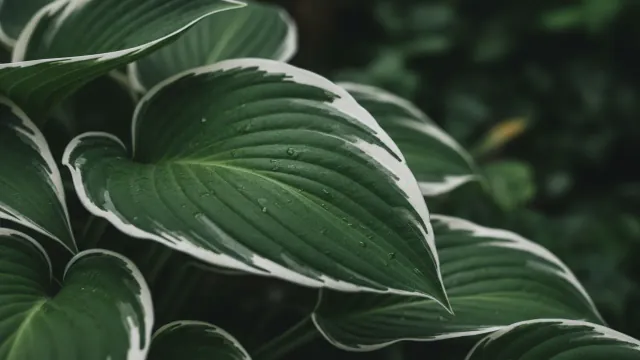
Hosta 'Francee'
The workhorse of the shade bed: a mound of heart-shaped green leaves edged in crisp white, plus tall lavender flowers in summer.
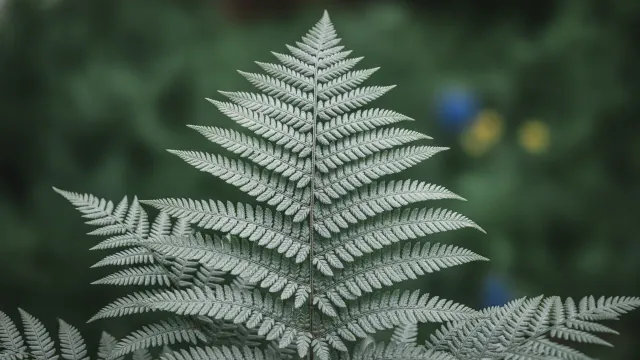
Athyrium niponicum
Silver and burgundy fronds that glow in low light and pair with almost anything.
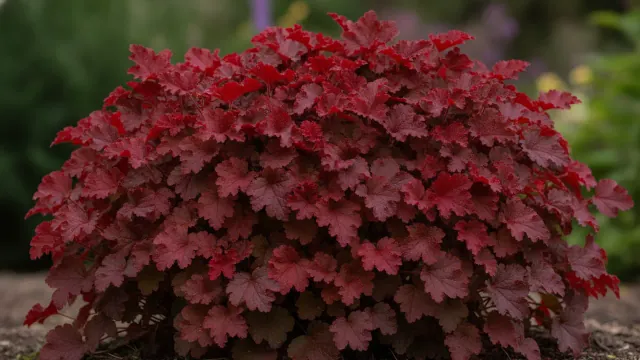
Heuchera
Mounds of ruffled foliage in caramel, plum, lime, and silver for season-long color.
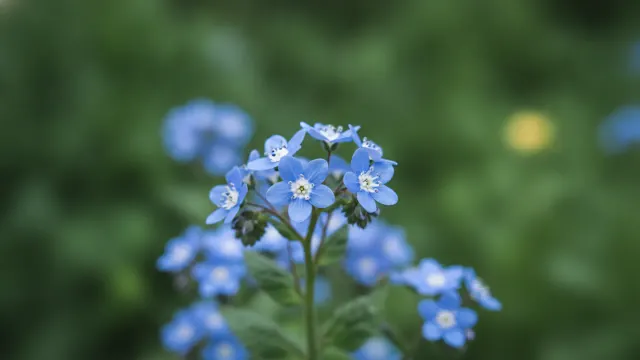
Brunnera macrophylla
Heart-shaped silvered leaves topped with sprays of tiny blue forget-me-not flowers.
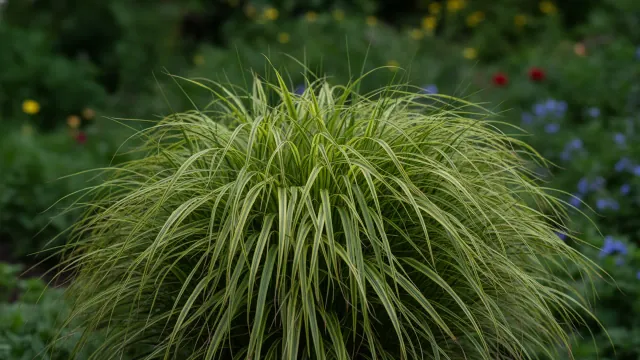
Hakonechloa macra
A soft cascade of golden or variegated blades that softens edges and lights up shade.
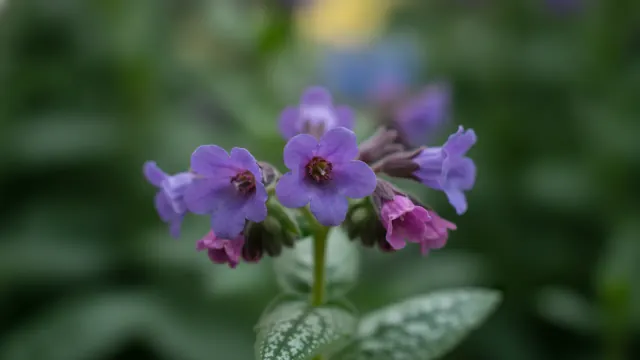
Pulmonaria
Spotted, silver-flecked leaves and early flowers that open pink then turn blue.
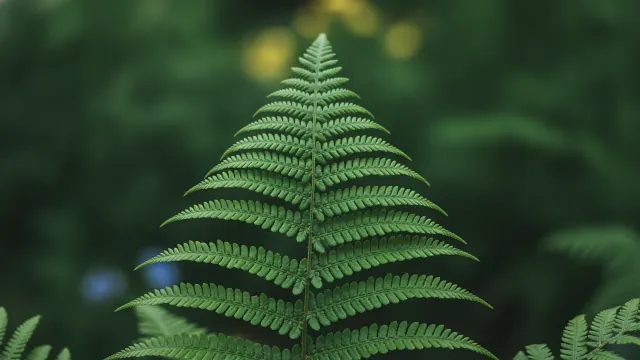
Athyrium filix-femina
Fine, lacy fronds that bring airy texture and thrive in moist, shaded ground.
Then add the shade bloomers
Foliage carries the bed, but a few shade-tolerant flowers give you the moments of color: early spring blooms before the tree canopy fills in, and a few performers that flower happily without full sun.
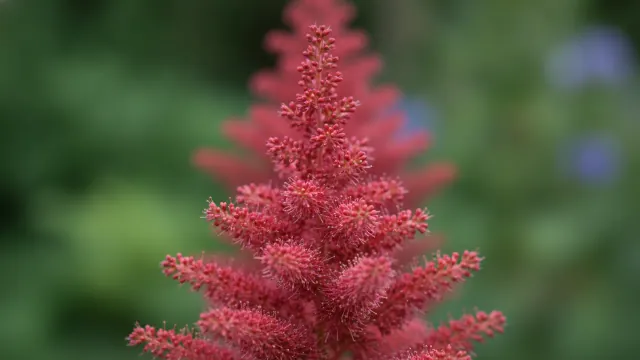
Astilbe × arendsii 'Fanal'
Feathery plumes in deep red and soft pinks that bring real flower color to shade.
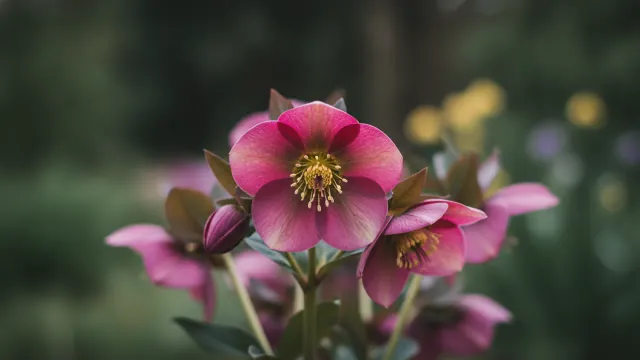
Helleborus
Winter and early-spring flowers on an evergreen plant that asks for almost nothing.
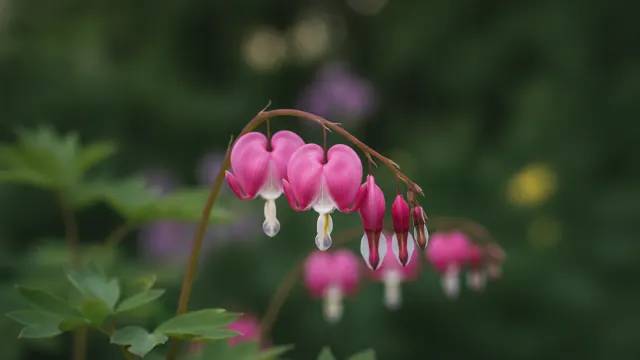
Lamprocapnos spectabilis
Arching stems of pendant heart-shaped flowers, classic for a cool shaded border.
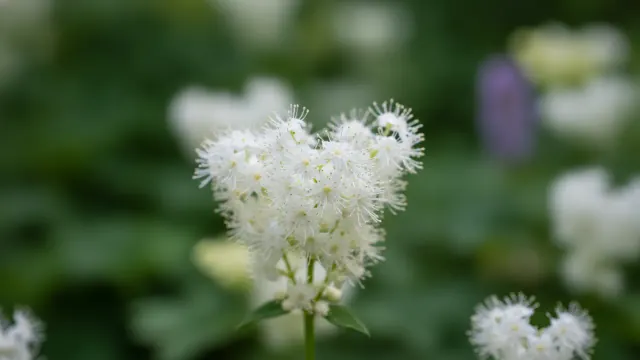
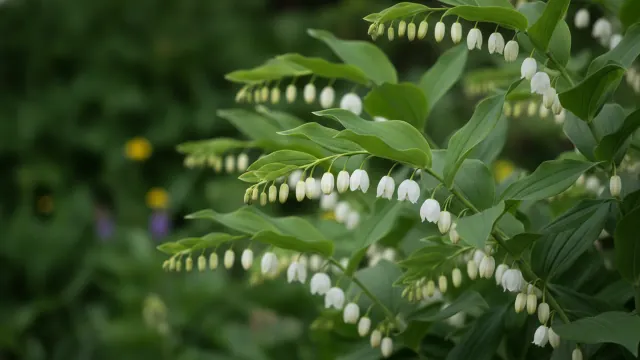
Polygonatum
Arching stems hung with small white bells, elegant and unfussy in deep shade.
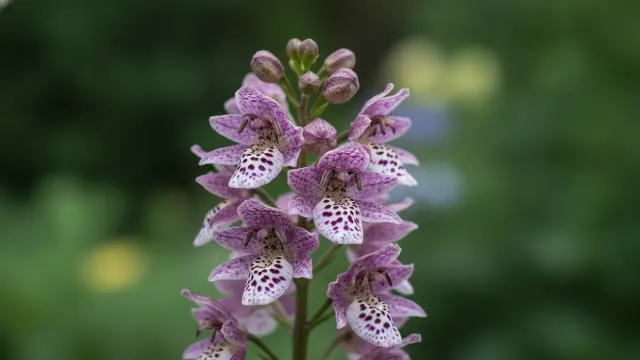
Tricyrtis
Intricate, orchid-like flowers that appear in fall, when most shade plants are done.
Build for the whole season
Shade beds are easy to plant for one big spring moment and then forget. Aim higher: stagger a few plants that peak at different times so something is always doing the work. The bloom calendar on each plant page shows exactly which months it flowers, which makes the gaps easy to spot and fill.
What flowers grow in full shade?
True full shade is mostly a foliage story, but hellebores, bleeding heart, foam flower, and astilbe all flower in low light. Pair them with hostas and ferns for a bed that looks full all season.
What is the difference between part shade and full shade?
Part shade gets a few hours of direct sun, usually softer morning sun, plus bright light the rest of the day. Full shade gets little or no direct sun at all. Most shade plants prefer part shade.
Can shade plants still give me color?
Yes, from two directions: flowers like astilbe and bleeding heart, and bright foliage like variegated hostas, silver ferns, and gold forest grass that holds color even with no blooms open.
Design a garden with these plants
Open BloomsEye Studio with this guide's plants ready to drop onto a plan, then watch the whole bed bloom across the year. New to it? See what the free garden planner does.