
Guides
Gardening guides
Practical planting ideas, grounded in real bloom data. Each guide links straight to the plants it talks about, so you can go from reading to designing in a click.
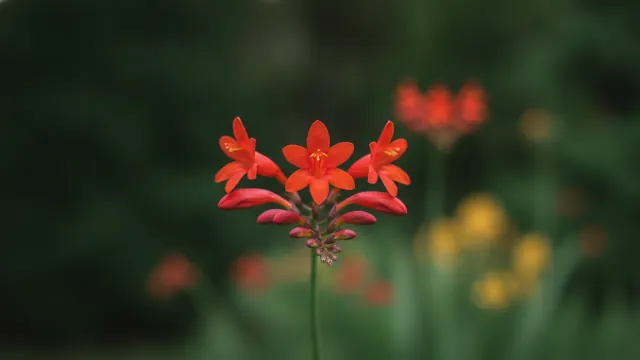
A garden that never goes quiet. Here is how to plan a bed so something is always in flower, from the first snowdrops to the last fall asters.
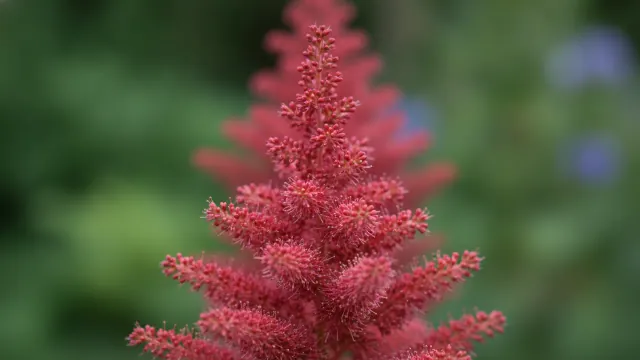
A shady spot is not a problem to solve, it is a different palette. Here are the plants that turn low light into something lush.
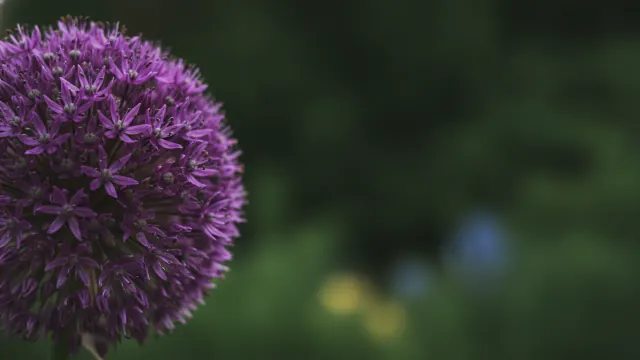
No plant is truly deer-proof, but plenty are reliably deer-resistant. Here is how to keep the color and lose the heartbreak.
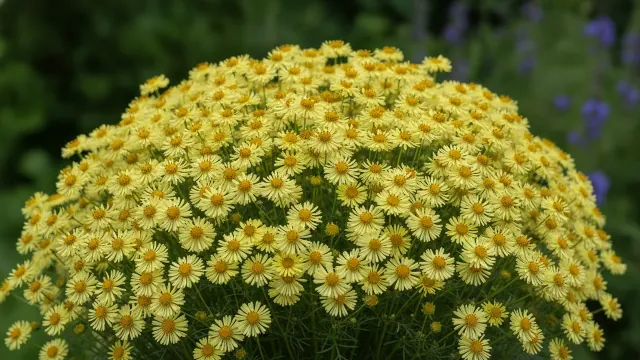
A garden buzzing with bees, butterflies, and hummingbirds starts with the right flowers. Here are the plants that feed them from spring to frost.
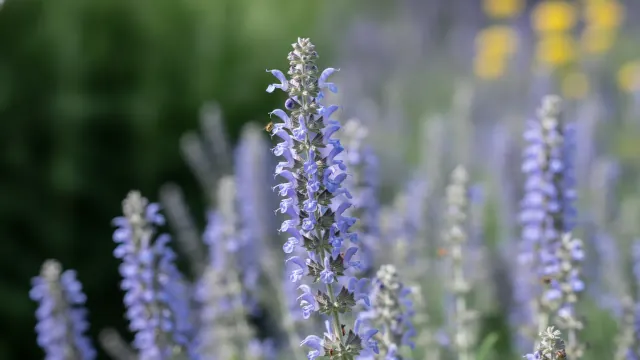
Less watering, more color. These tough plants thrive in hot, dry, sunny spots once they settle in.
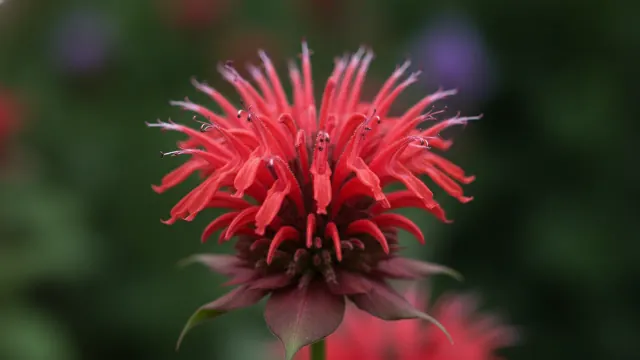
The easiest, most alive garden you can plant. Native flowers and grasses that feed local wildlife and mostly look after themselves.
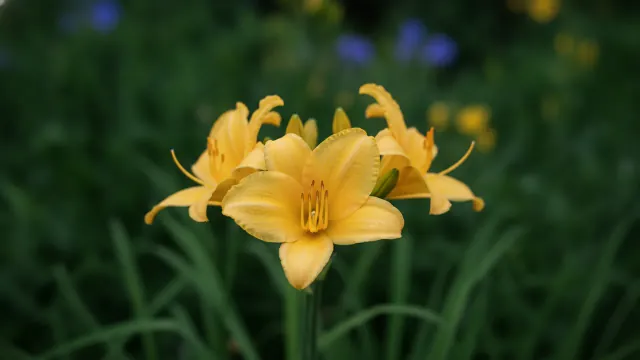
A beautiful garden without the chores. These tough perennials come back every year and ask for almost nothing.
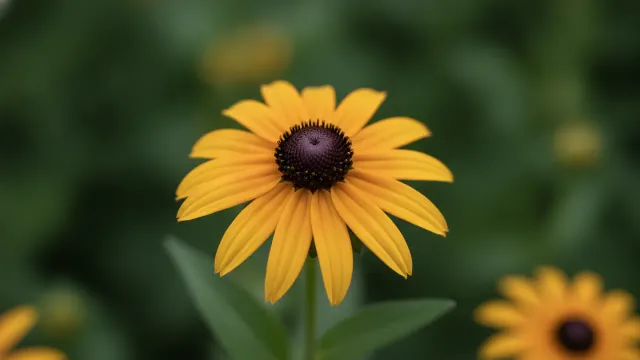
A sunny border that stays in flower for months. These heat-loving perennials bloom and bloom right through summer.
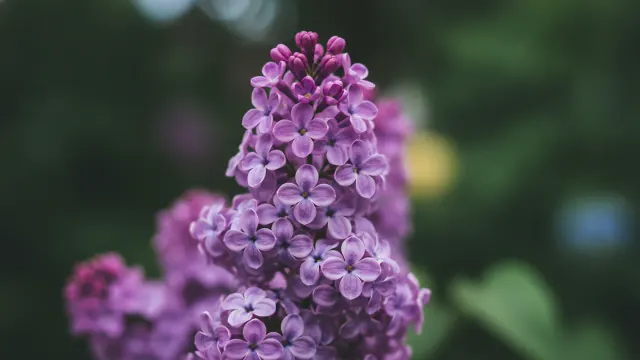
A garden you can smell as well as see. The flowers and foliage worth planting for scent, and where to put them.
One big spring flush on a 10-foot shrub, or a smaller lilac that flowers again into fall: here is which to plant, and the pruning rule they all share.
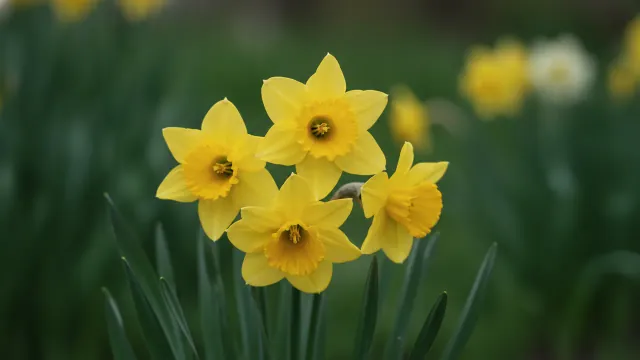
The first color of the year, when you need it most. These bulbs and perennials flower while the garden is still waking up.
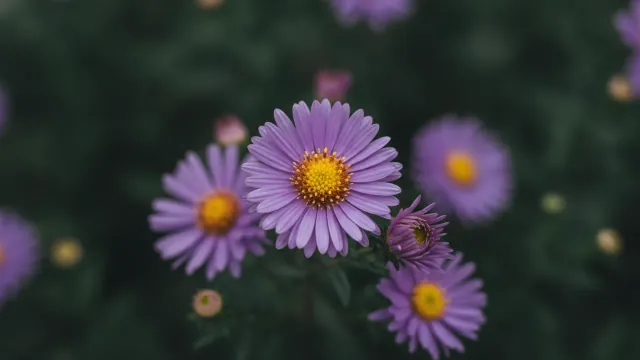
Do not let the garden fade in September. These perennials save their best show for autumn.
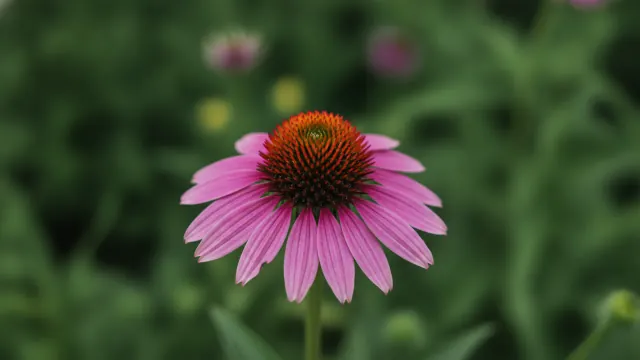
Spring is the big planting window. Here is what to put in the ground now for a garden that flowers all year.
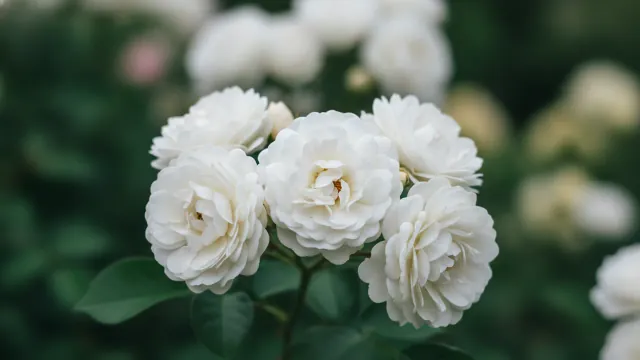
A border that glows after sunset. White flowers, silver foliage, and evening scent, layered to carry every season.
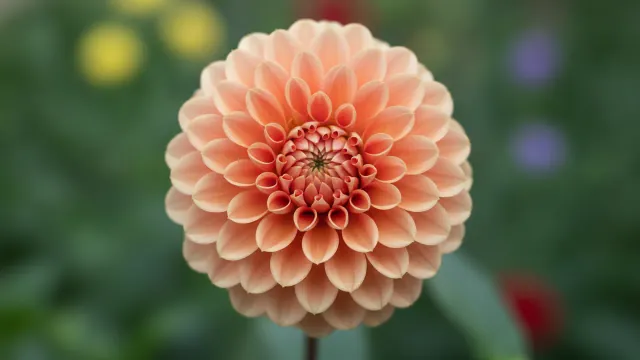
Fresh bouquets from your own backyard, all season. The best flowers for cutting, and how to keep them coming for months.
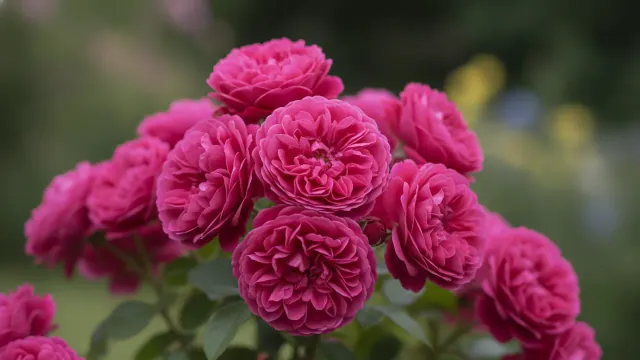
Relaxed, romantic, and packed with flowers. The classic cottage-garden plants, and how to layer them.
Near twins on paper, very different in the garden. One straight answer, picks for four jobs, and the honest word on black spot.
Bring the hummingbirds in. Nectar-rich, tubular flowers they cannot resist, from spring to fall.
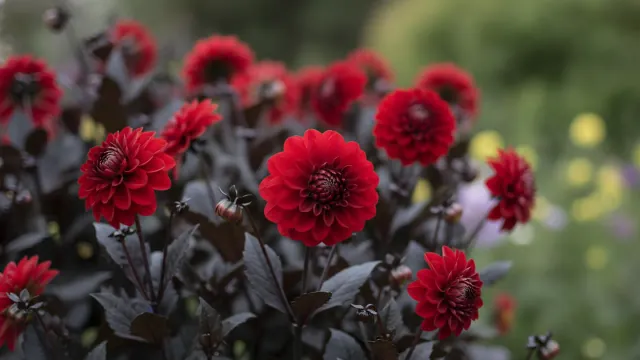
Turn up the heat. A bold, sun-drenched border of fiery reds, oranges, and golds that crescendos in late summer.
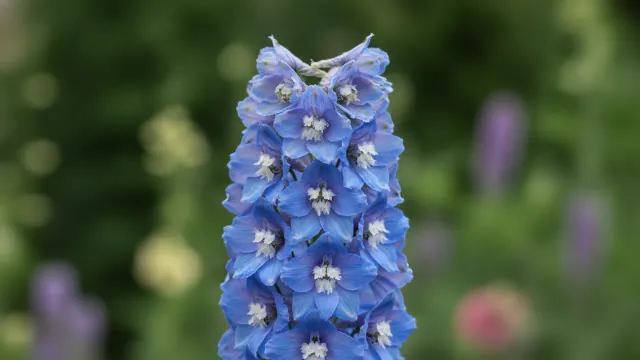
Calm, elegant, and easy on the eye. A border of blues and purples, layered to carry from spring to fall.
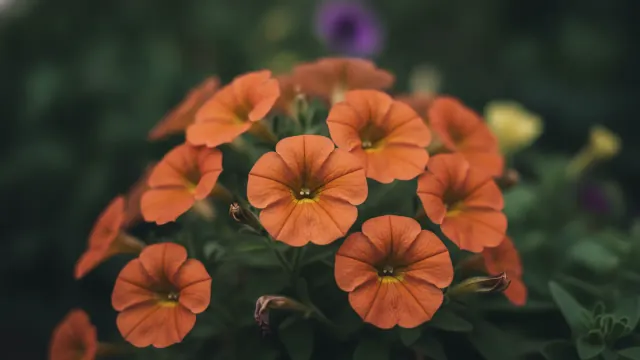
A great pot is a small garden. The best plants for containers, and the simple recipe that makes them sing.
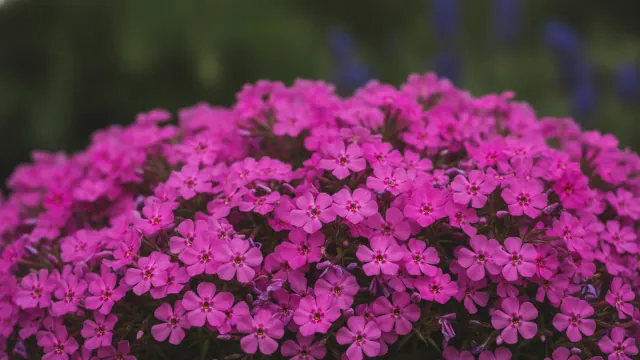
Cover the bare spots and beat the weeds. Low, spreading plants for sun and shade that mostly look after themselves.
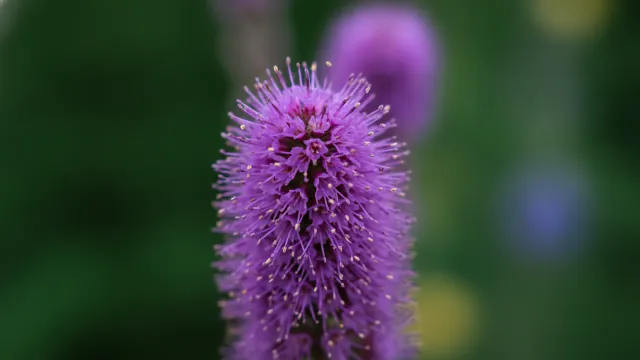
The nectar flowers that attract butterflies, season by season with their bloom months, and the host plants their caterpillars must eat.
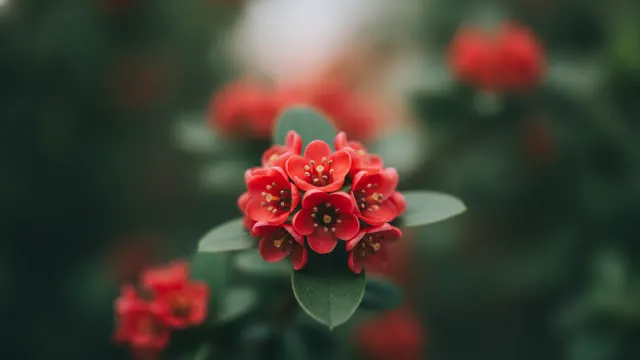
Do not let winter empty the garden. Evergreens, cold-season flowers, and berries that keep it alive when everything else sleeps.
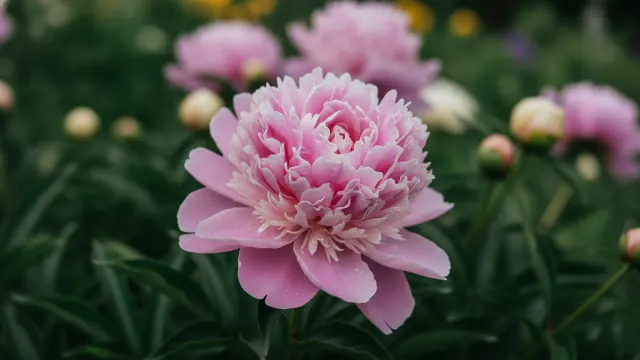
Soft, romantic, and endlessly pretty. A border in every shade of pink, from pale blush to deep magenta.
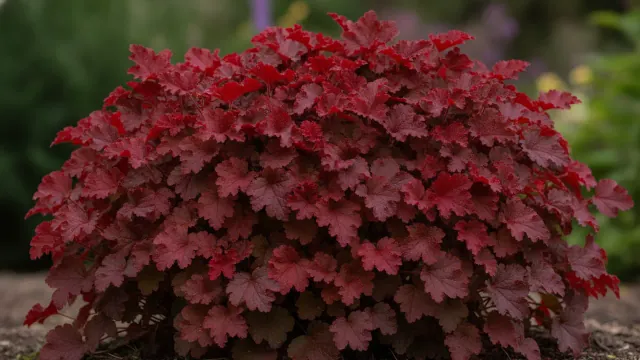
Flowers come and go; leaves carry the garden all season. The best plants for color and texture from foliage alone.
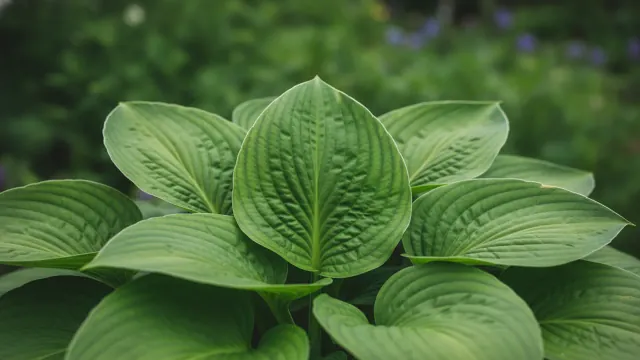
The shade garden's backbone, in blue, gold, and every edge between. One table of checked records, and the rule that matters most: leaf color tells you the light.
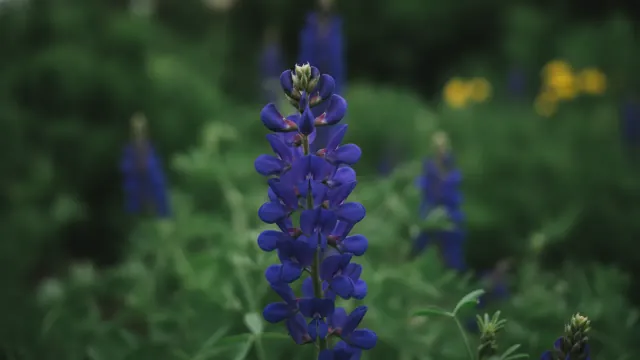
Heavy clay is not a dealbreaker. These tough plants thrive in it, and clay is more fertile than you think.
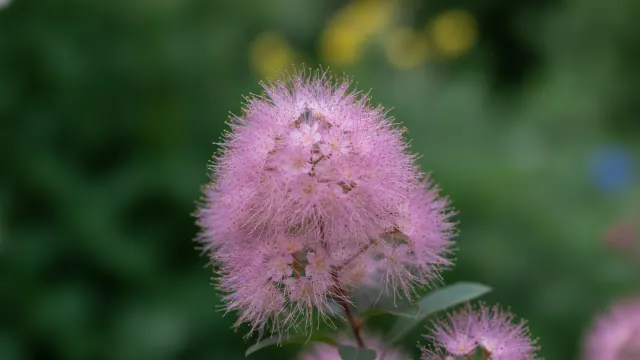
Drama, depth, and a little mystery. The best near-black flowers and dark foliage, and how to make them glow.
The darker the leaf, the more sun a heuchera tends to take. One table, dark to pale, and a straight answer for every kind of light.
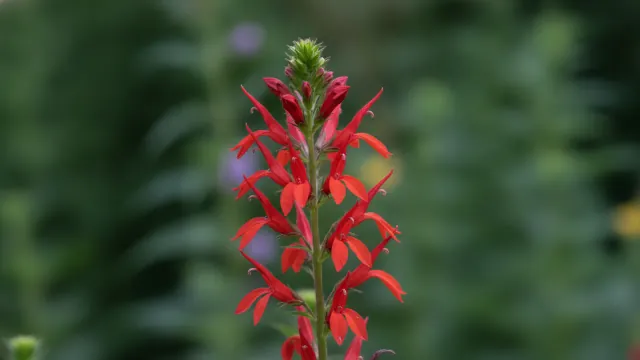
Turn a soggy problem into the prettiest part of the garden. The best plants for wet ground and runoff.
New to gardening? Start here. The genuinely hard-to-kill plants, and how to set yourself up to win.
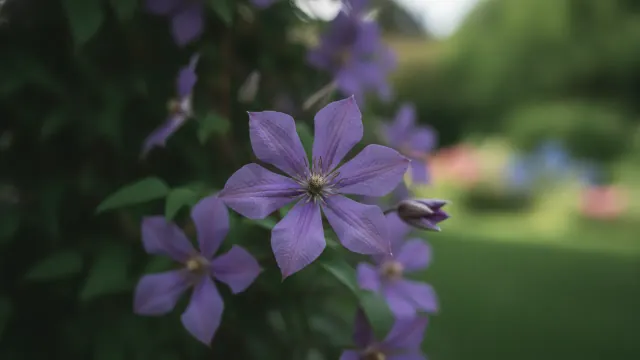
No yard, no problem. The best compact plants, climbers, and container picks for a balcony or a tiny garden.
That bank you cannot mow can be the easiest part of the garden. Plants that hold the soil and look after themselves.
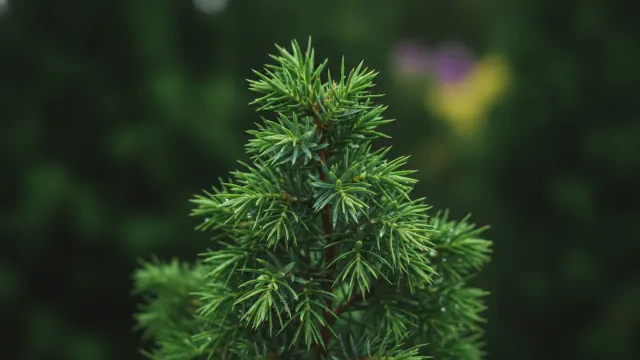
Carpet, shrub, or column: one genus covers all three. One table sorted by height, the pick for each job, and the one cut no juniper forgives.
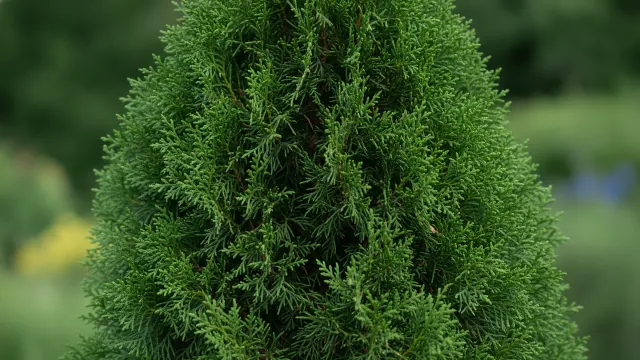
Screen a fence line, a patio, or a neighbor's window. The best plants for privacy, fast and beautiful.
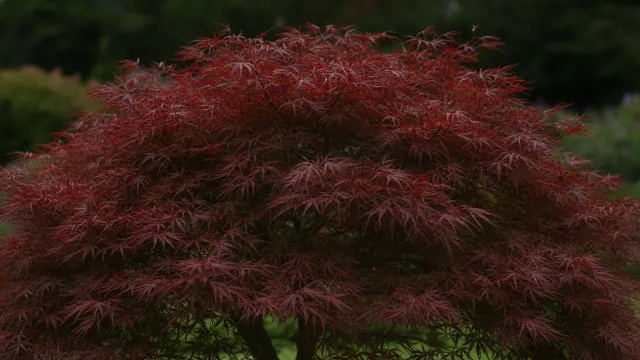
The garden's last and loudest show. Trees, shrubs, and grasses that set autumn on fire.
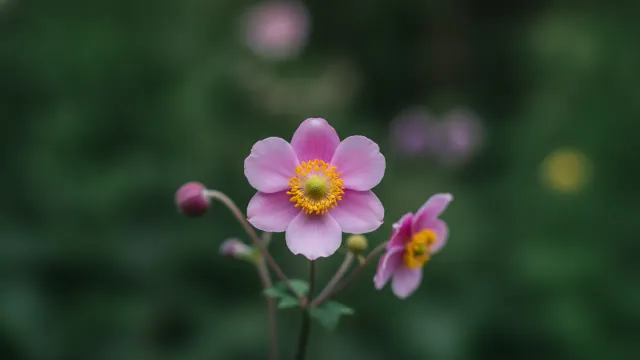
The heat says stop; the calendar disagrees. Bearded iris, bare-root peonies, instant fall color, and the bulbs to order before they sell out.
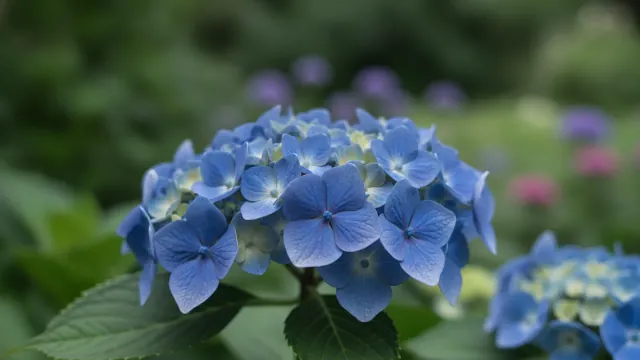
Five different shrubs share one name. One table, one straight answer, and the pruning rule that decides whether yours blooms.
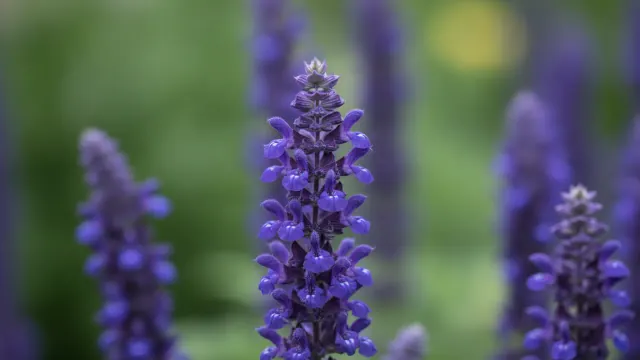
Five minutes with the snips, a few evenings a week, is the cheapest flower show there is. What to cut, where, and when to stop.
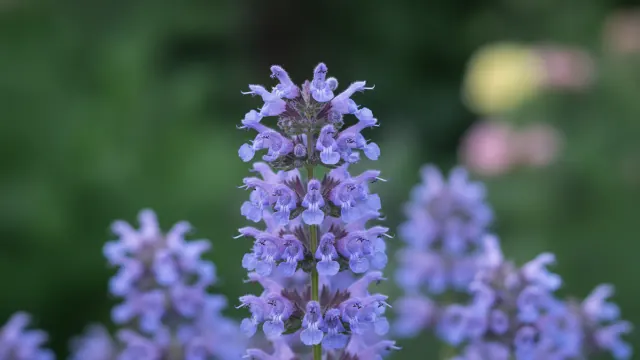
Most longest-blooming lists are folklore. This one is measured: the library's perennials, ranked by their actual months in flower.
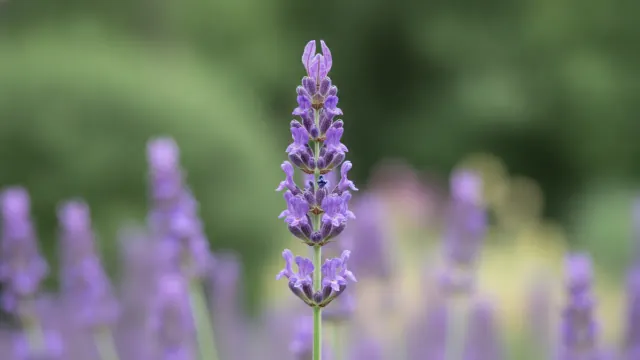
One word, four different plants. Every true lavender in the library in one table, and the honest answer on which to grow.
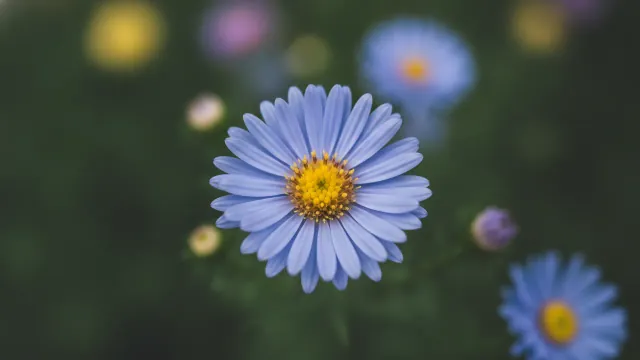
For half the map, the best planting month of the year. Bulbs, bare-root peonies, the fall perennial window, and one loud last call.
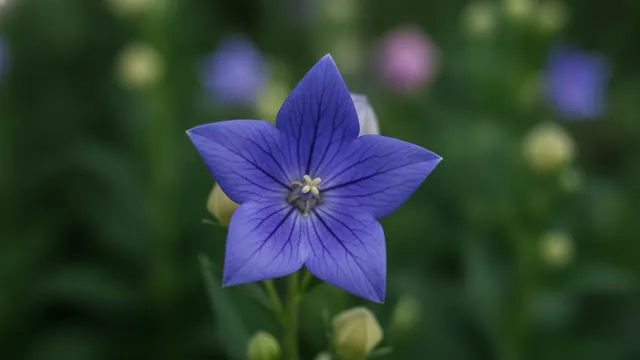
Nature guards its rarest flower color jealously. The truly blue flowers in the library, laid out spring to fall.
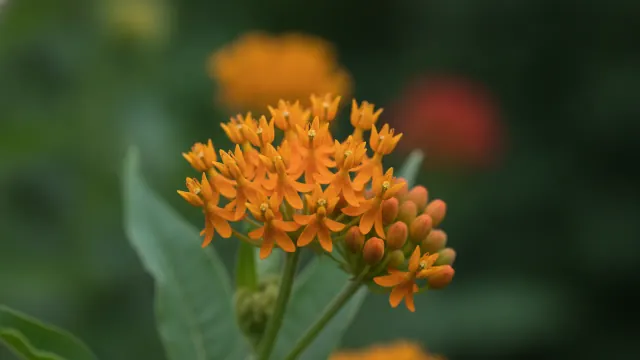
Everyone plants pink and purple; almost nobody plants enough orange. The warmest color in the library, spring to frost.
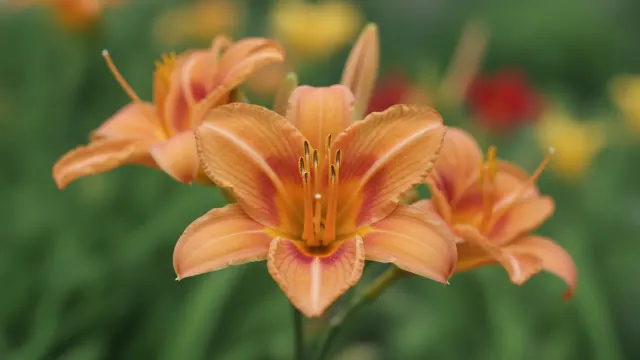
The best deal in gardening: one tired clump in, three young plants out. When to lift, how to split, and who to leave alone.
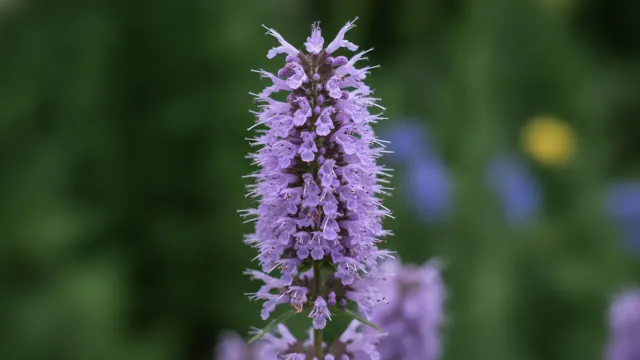
A border that shrugs off dry weeks, assembled like a recipe: three rows, eleven plants, every one placed by its real height.
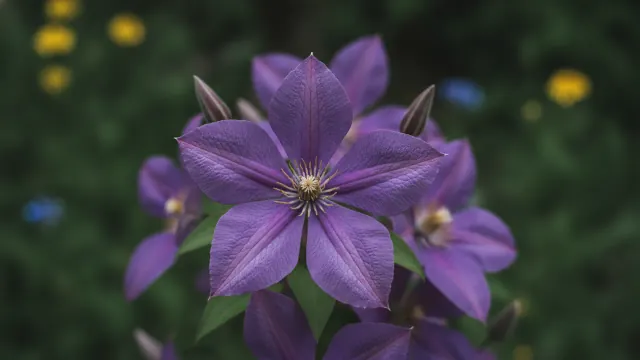
The most under-used space in a garden is vertical. The climbers that fill it with flowers, and the honest word on the thugs.
Clematis is less fussy than its reputation, and much of the fuss is pruning. Here is which one to grow by bloom time and size, and when to cut each.
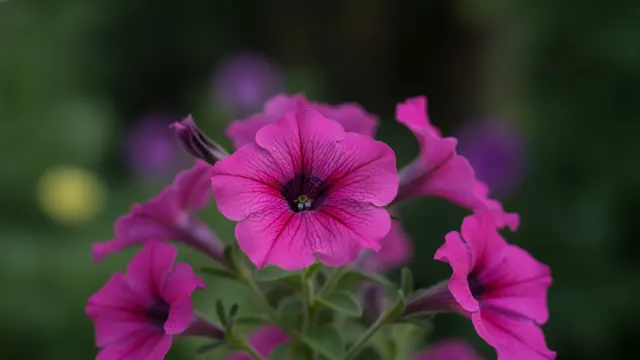
Annuals are built to bloom long; these are built to bloom longest. The library's annuals, ranked by their measured months in flower.
Spring is decided in fall. The zone-by-zone windows, the bulbs worth ordering, the deer truth, and the depth rule, all from the records.
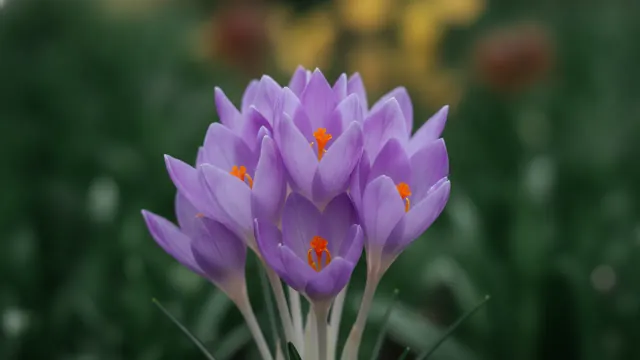
The quietest-looking month is one of the busiest. Bulbs across half the map, the south's season opening, and two loud last calls.
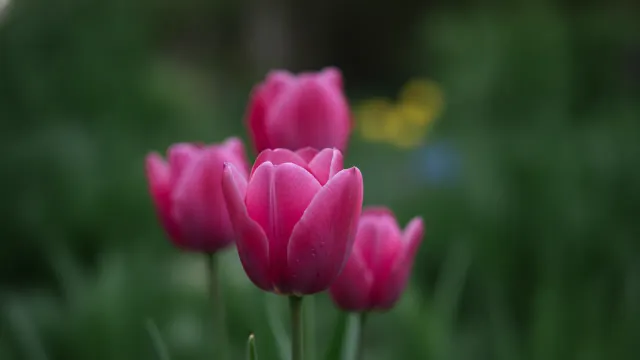
The month the map splits in two: a last call for bulbs in the middle, the south's bulb season opening, and a short list of jobs for everyone else.
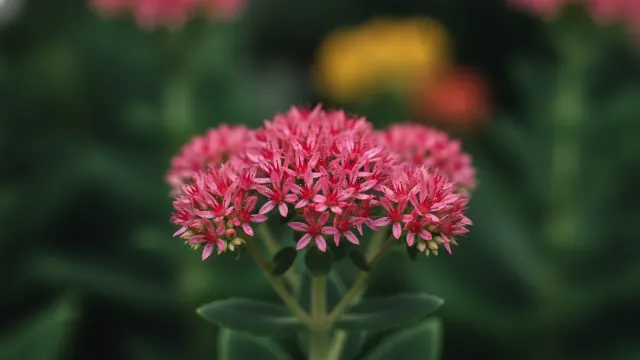
The best fall cleanup is smaller than you think. What to cut, what to bin, what to leave standing, and permission to stop early.
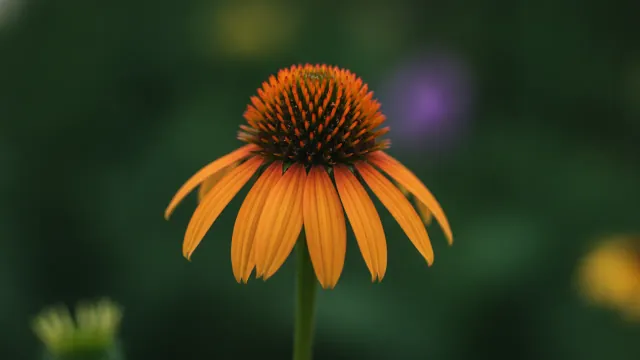
One prairie native, sixteen personalities. The library's Echinacea in one table, and the honest word on the fancy ones.
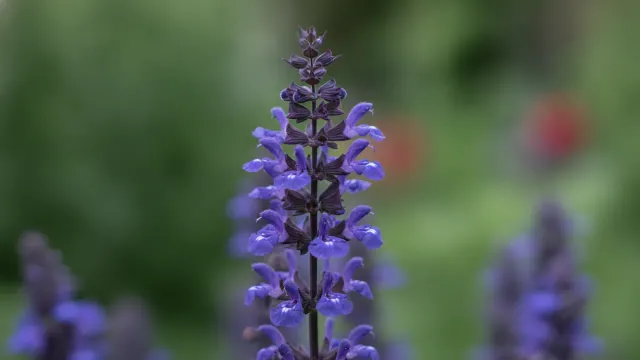
The hardest-working spikes in the border, in every color from violet to white. One table of fifteen records, and one very useful haircut.
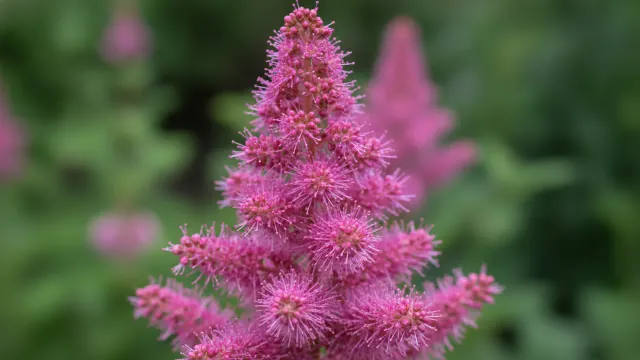
One clump flowers for a few weeks; three, chosen by bloom window, make a season of it. The pick of the source-checked astilbes, and what each is for.
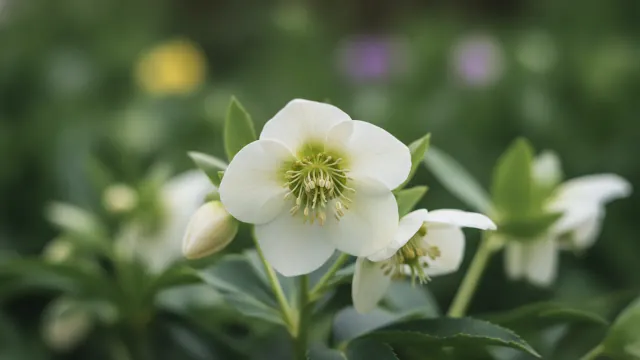
Which flower really opens first? We ranked the whole library by first month in bloom, and the famous answer is not the winner.
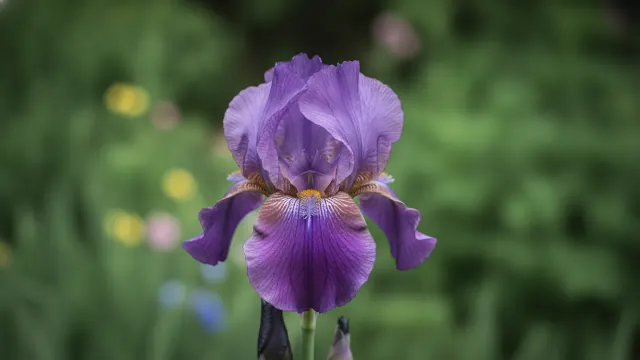
Where nature rations blue, it spends purple freely. The library's best purples from February to October, and where the color blurs.
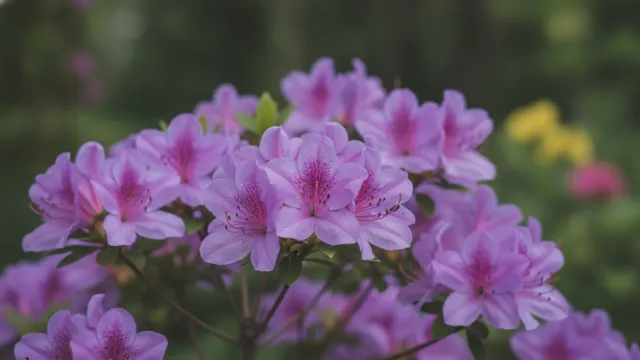
We measured the bloom run of every shrub in the library. The winners are not the ones the folklore names, and the gap is months.
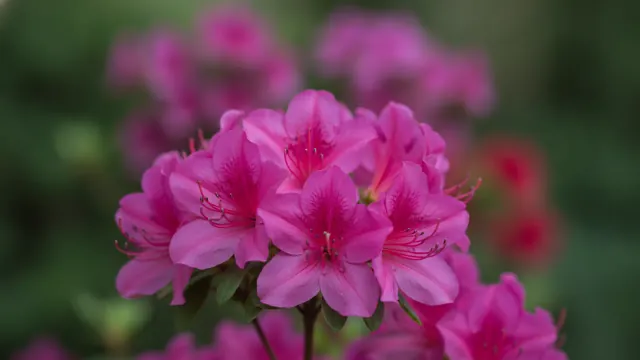
Evergreen classics, deciduous azaleas for cold gardens, and rebloomers that flower into October. One shortlist, one straight answer, and the fine print on reblooming.
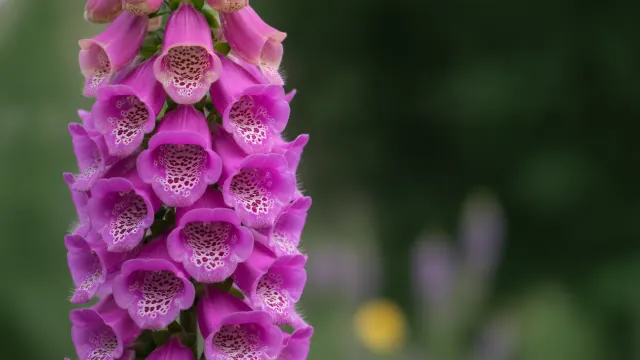
Every plant in our library that a named authority lists as toxic to dogs or cats, sorted by type, with the institution behind each listing named and linked.
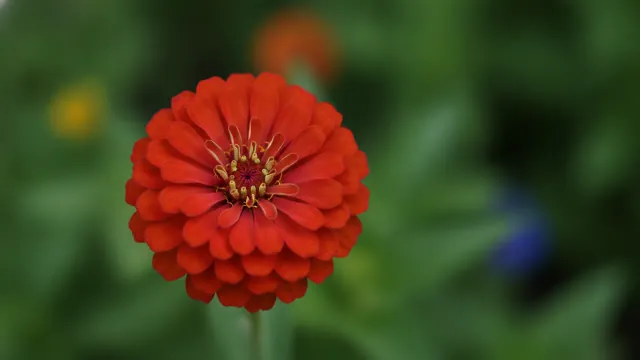
A short list on purpose: only plants a publisher lists as non-toxic, that nothing else we read lists as toxic. Sorted by type, each with the listing behind it.
Spring bulbs go in the ground in fall. Bulb by bulb, what the authorities list for dogs and cats, and how gardeners plant bulbs around a dog that digs.
The kitchen herbs gardeners grow most, one by one: which are listed as toxic to dogs or cats, which are listed as non-toxic, and which nobody has checked yet.
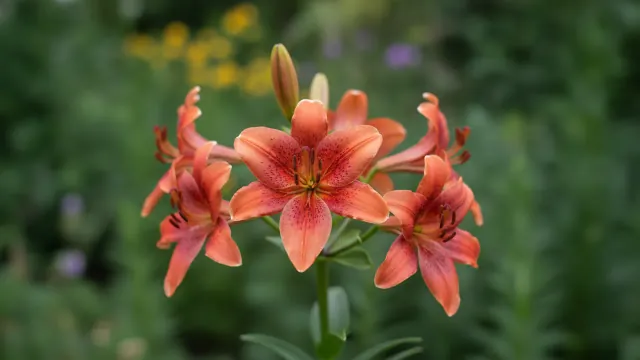
Lilies and the flowers that only share their name, the other flowers cat owners ask about, and every flowering plant listed as non-toxic or as toxic to cats.
Design your garden
Drop plants onto a 3D plan, see how they fill in, and watch the whole garden bloom across the year.