
 Illustration
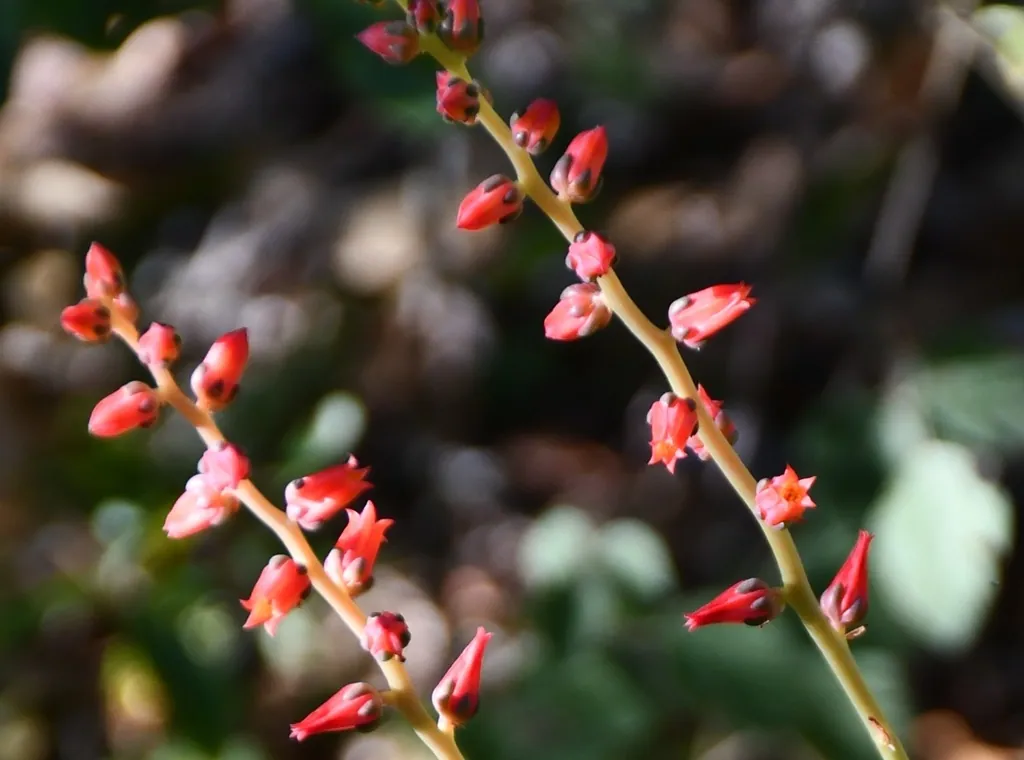
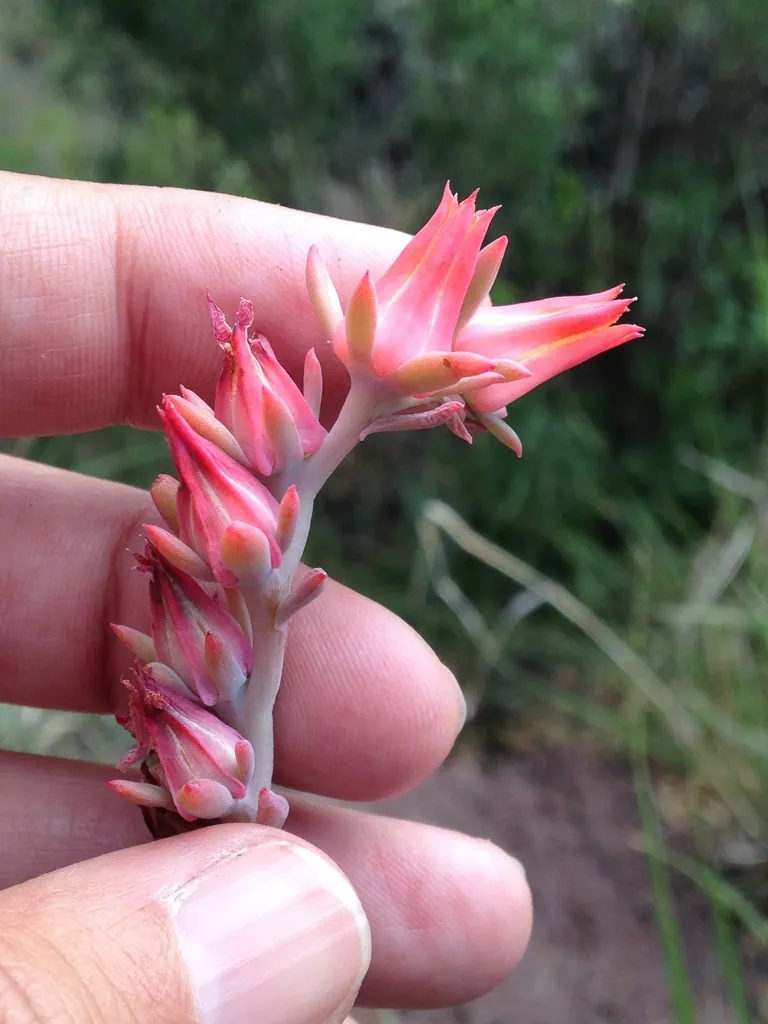
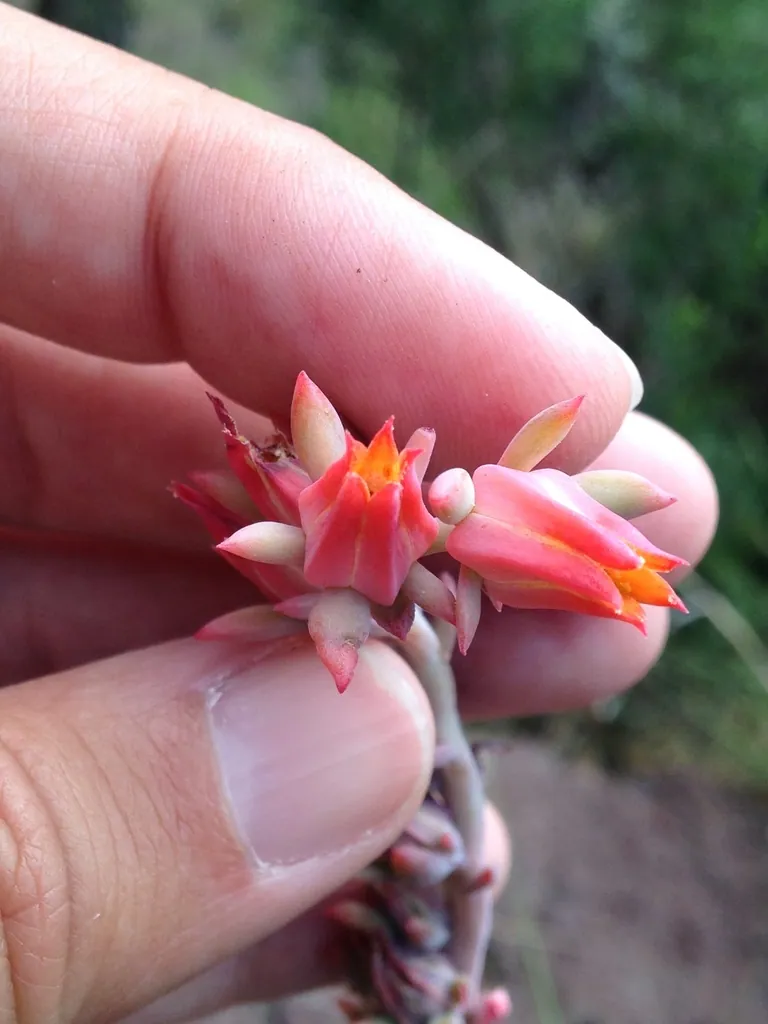

Photo credits and licenses
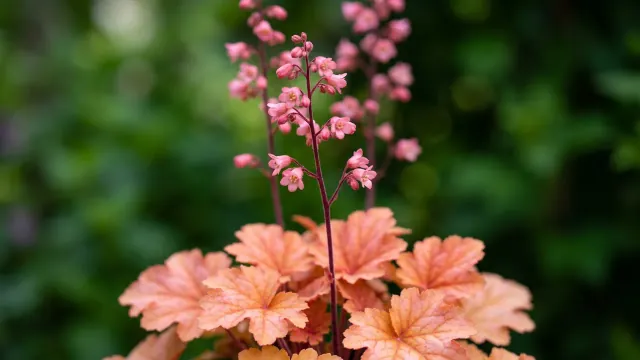
Real photographs from naturalists and photographers worldwide, each used under its own license. Credit: Photo by Neptalí Ramírez Marcial / iNaturalist (CC BY), Photo by Alison Northup / iNaturalist (CC BY) and Photo by Alison Northup / iNaturalist (CC BY). How photos are sourced →

Echeveria
Echeveria
Echeveria blooms from May through July.
Months here are Northern Hemisphere months; in the Southern Hemisphere, shift them by six months.
Growing Echeveria
Plant it in full sun. It prefers low water. It is hardy in USDA zones 9–11. Expect it to reach about 4 in tall and 8 in wide at maturity, in roughly 3 years (a house reading).
Is Echeveria toxic to dogs or cats?
- Listed as non-toxic to dogs and cats by NC State Extension.
Lists differ and none is complete. If a pet eats a plant and seems unwell, call a veterinarian or a pet poison helpline.
What was checked
Nine facts were checked against named botanical sources, each recorded beside the sources that carried it: mature height and spread, hardiness zones, sun, water, bloom months and color, the trait tags, and years to mature size, which rests on a recorded house rule where no publisher states one and is marked so. Soil, diseases, pests, toxicity and the plant's own names have not yet been read for this plant, and its trait tags are the ones a feature uses rather than every word a page prints. Each fact above carries its own mark. The planting, spacing and size sections are derived from these checked facts by a fixed rule, not checked separately, and the plant type is the library's own classification.
When to plant Echeveria
Plant Echeveria in early spring as soon as the soil is workable, or in early fall at least six weeks before your first frost, so roots establish in cool weather. In zone 9, the middle of its hardy zones 9 to 11, spring means January to March and fall means October or November. Once settled, it blooms from May to July.
Month-by-month timing for your zone is on the planting calendar; if you garden near zone 9, the middle of this plant's hardy range, start with zone 9 in January. Derived from the plant's category, zones and bloom months plus typical zone frost dates, not checked separately.
How big does Echeveria get?
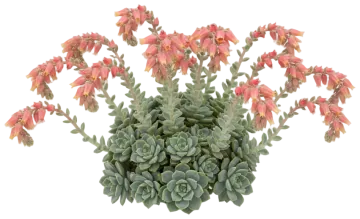 4 intall5 ft 7 inan adult8 inwide
See Echeveria in a garden plan: the planner shows it in 3D beside everything else you add, growing toward this size over the years.
How far apart to plant Echeveria
Derived from the mature spread above by a fixed rule, not checked separately: spacing is the spread, center to center.
Space Echeveria about 8 in apart, center to center, so each plant has room to reach its full width.
Add Echeveria to a garden plan and the planner draws it at its full width, so you see the spacing before you buy.
Where these facts come from
Echeveria's height, spread, hardiness zones, sun, water, bloom color and trait tags were checked against 7 published sources on October 22, 2026. Each one is linked below with every fact it carried, which can include a fact this page still marks as not yet checked, because a source carrying a value is not the same as the value being held to the standard. Facts not in that list, and the planting, spacing and size sections, are not covered by these sources.
- NC State Extensionheight, spread, sun, water, bloom months and color and trait tags
- tynursery.comT-Y Nurseryheight, spread, hardiness zones, sun, water and bloom months and color
- RHSRoyal Horticultural Societysun, water, bloom months and color and trait tags
- ucanr.eduUniversity of California Cooperative Extensionspread, hardiness zones and bloom months and color
- calloways.comCalloway's Nurseryspread, sun and water
- depts.ttu.eduTexas Tech Universityhardiness zones and trait tags
- University of Florida IFASUF/IFAS Extensionsun and trait tags
How the checking works, and what each standard covers, is on the verified plants page.
Good to know about Echeveria
Curated from university extensions, botanic gardens and other primary sources, with the source named on every note. A note reports what its source says; where that differs from a fact above, the fact above is this entry's stored value, and its mark says whether it has been checked.
Worth knowing
Light is the master control: strong light keeps the rosette tight and its pastel color rich, while too little light makes it stretch, lean, fade toward green and rarely bloom. per NC State and University of Illinois
When it blooms varies
NC State's genus page says spring to summer, but its Echeveria elegans page says winter and spring. Bloom timing is species- and light-dependent, so yours may differ. per NC State
Listed as non-toxic to pets
Listed as non-toxic to dogs and cats by NC State Extension, unlike aloe, a look-alike succulent that is listed as toxic to both. per NC State
Overwatering is the top killer
Soggy, poorly drained soil starves the roots of oxygen and rots them. Extension guides name overwatering the single most common cause of succulent death. When unsure, wait. per University of Minnesota and University of Illinois
Easy to propagate
Multiply it easily: separate basal pups with roots, lay a cleanly detached whole leaf on gritty mix, or behead a leggy plant. Let cut ends callus first. per NC State and Iowa State
Mealybugs and aphids
The main pests are mealybugs, hidden in the crown and leaf axils, plus aphids on flower stalks. Their sticky honeydew grows black sooty mold; treat the insects. per University of Minnesota and UC IPM
What pairs well with Echeveria
Good companions share its growing conditions and add something it lacks: an earlier or later bloom, a lower carpet in front, or structure through winter.
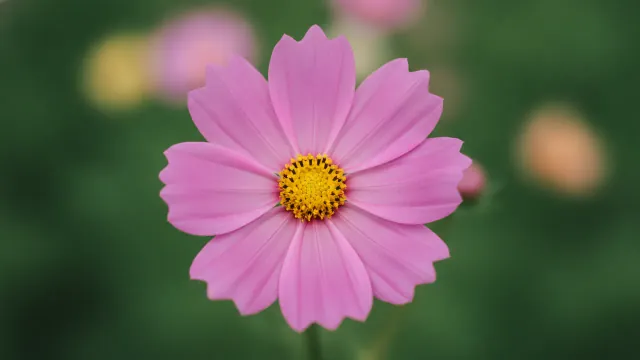
Cosmos
Shares full sun and low water; overlaps, then carries the display into mid fall; stands well above at 3.5 ft, a canopy to plant beneath; both offer pollinator forage.
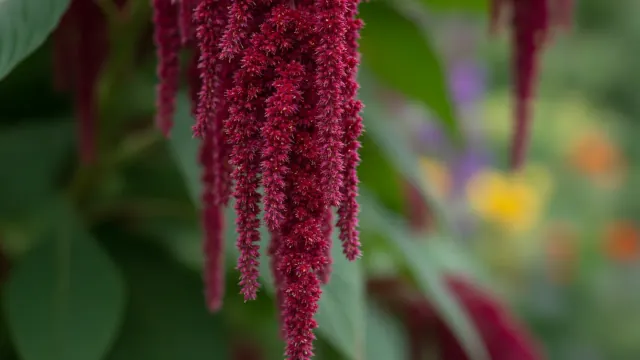
Love-Lies-Bleeding
Shares full sun and low to moderate water; overlaps, then carries the display into mid fall; stands well above at 3.5 ft, a canopy to plant beneath; both offer pollinator forage.
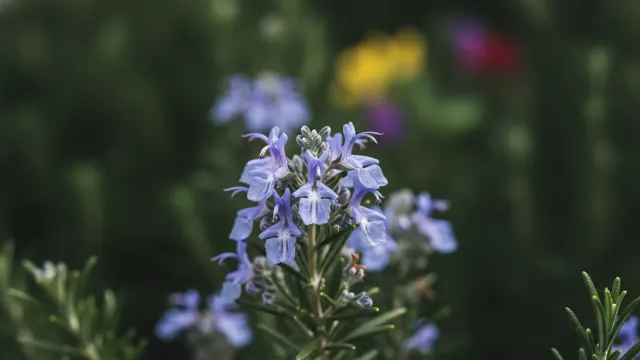
Rosemary
Shares full sun and low water; opens in early spring and overlaps into this one's season; stands well above at 3.5 ft, a canopy to plant beneath; evergreen, so the bed keeps its shape through winter; they only overlap in zones 9 to 10.
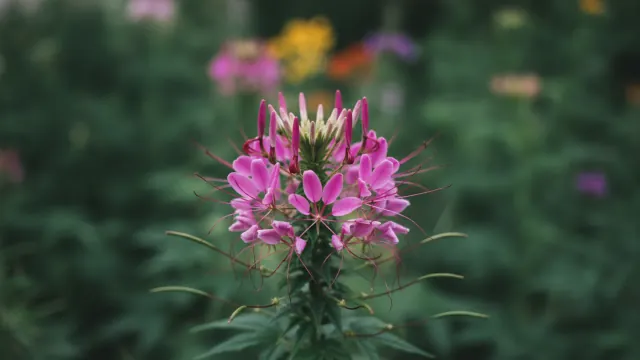
Cleome
Shares full sun and low to moderate water; stands well above at 4 ft, a canopy to plant beneath; overlaps, then carries the display into early fall; both offer pollinator forage.
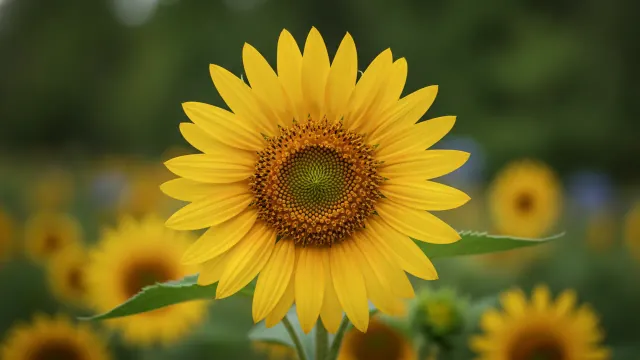
Perennial Sunflower
Shares full sun and low to moderate water; blooms in late summer as this one finishes; stands well above at 5 ft, a canopy to plant beneath; both offer pollinator forage, in different months; they only overlap in zone 9.
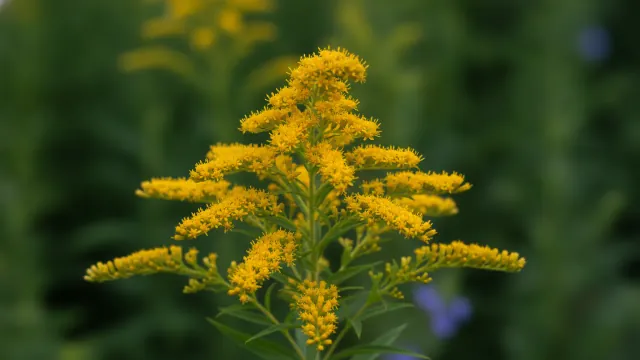
Goldenrod
Shares full sun and low water; blooms in late summer as this one finishes; both offer pollinator forage, in different months; its seed heads stand through winter, for structure and the birds; they only overlap in zone 9.
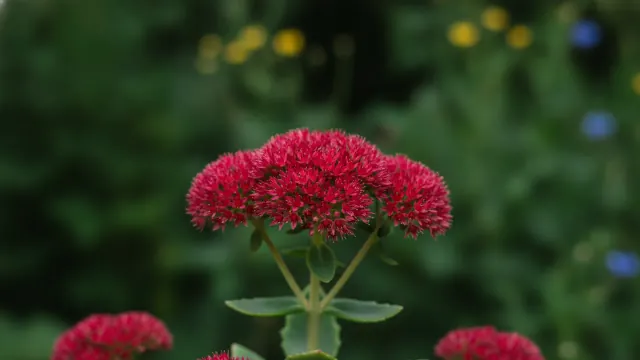
Autumn Joy Sedum
Shares full sun and low water; blooms in late summer as this one finishes; both offer pollinator forage, in different months; its seed heads stand through winter, for structure and the birds; they only overlap in zone 9.
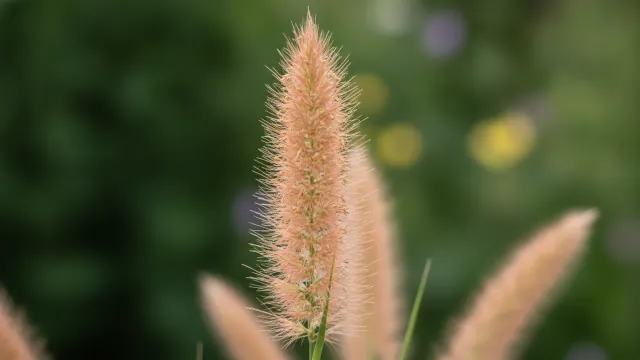
Switchgrass
Shares full sun and low water; blooms in late summer as this one finishes; stands well above at 5 ft, a canopy to plant beneath; both offer pollinator forage, in different months; they only overlap in zone 9.
Featured in these guides
Explore similar plants
You might also like
Design a garden with this
Drop this plant onto a 3D plan, see how it fills in, and watch your whole garden bloom across the year.