
Wildlife
What Flowers Are Good for Butterflies? Nectar Plants and Host Plants by Season
The nectar flowers that attract butterflies, season by season with their bloom months, and the host plants their caterpillars must eat.
What flowers are good for butterflies? The ones a butterfly can land on and drink from: flat daisies, dense spikes and domed clusters of small florets, rich in nectar, in full sun, planted in drifts rather than singles, with something open from spring to the first frost. That is the whole recipe, and most of the best plants for it are tough, long-lived perennials. Below are the ones we would plant first, in the order the season needs them. Each row prints the plant's own bloom months from our calendar, and the native-range record's own words where it has them.
Then comes the half most lists skip. Adult butterflies will feed on almost any good flower, but each species lays its eggs on a short list of host plants, and without those a garden feeds visitors and raises none. The second half of this guide names the host plants in our library and the butterflies whose caterpillars eat them. If you are planting for wildlife in general, our pollinator guide, native plants guide and hummingbird garden overlap with this list again and again, and the pollinator-friendly and native filters hold the rest.
What flowers are good for butterflies?
Nectar-rich flowers with flat or clustered heads in full sun: coneflower and blazing star for summer, bee balm, garden phlox and anise hyssop beside them, joe pye weed and ironweed for late summer, and goldenrod, asters and 'Autumn Joy' sedum into fall, with creeping phlox and bluestar opening the season in spring. Butterfly weed does double duty, feeding adults and monarch caterpillars both. Plant in drifts of three or more, skip the pesticides, and add host plants so butterflies breed in the garden rather than passing through.
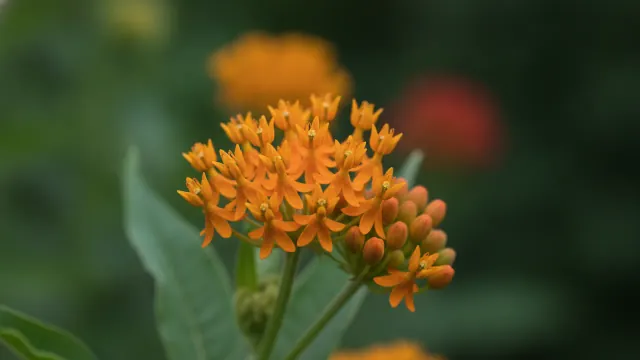
Asclepias tuberosa
If you plant one thing, plant this. A native milkweed with flat orange clusters that adult butterflies work all summer, and the leaves are what monarch caterpillars eat, so one clump feeds both ends of the life cycle. It grows from a deep taproot: slow to show in spring, hard to move, and happiest left alone in full sun and lean soil.
The best nectar plants for butterflies, by season
Butterflies feed by landing, so the best nectar flowers are the ones with a platform: a flat daisy, a dense spike, a domed cluster of tiny florets. Each row below prints the plant's own bloom months, so you can see where your garden's gaps are and fill them.
Spring: the first nectar
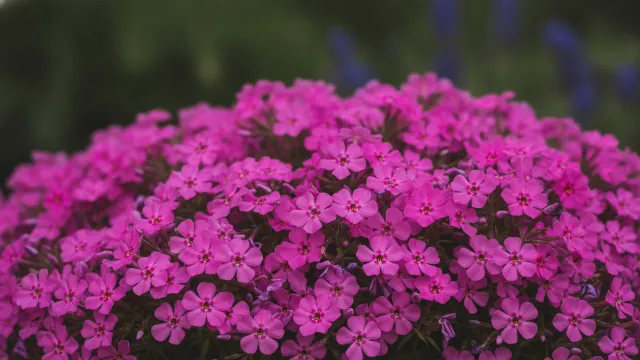
Phlox subulata
A low evergreen mat that disappears under flowers in spring, one of the earliest nectar sources in the garden, feeding skippers and butterflies when almost nothing else is open. Full sun and sharp drainage; it resists the mildew that troubles its tall cousin.
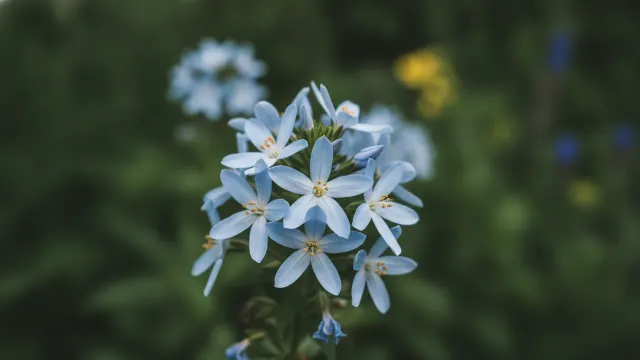
Amsonia
Steel-blue starry flowers in spring over willowy foliage that turns a clean gold in fall. Its early flowers feed butterflies, hummingbirds and hummingbird moths at a lean time of year, and it is a larval host too.
Summer: the main course
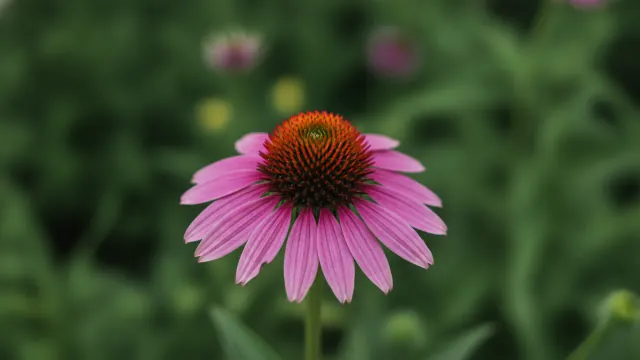
Echinacea purpurea
The big flat landing pad of the butterfly border, worked by butterflies and skippers all summer and by monarchs on migration. Plant the straight species: double and sterile cultivars feed pollinators far less.
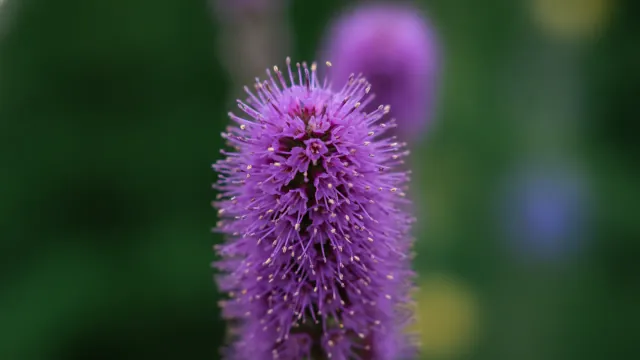
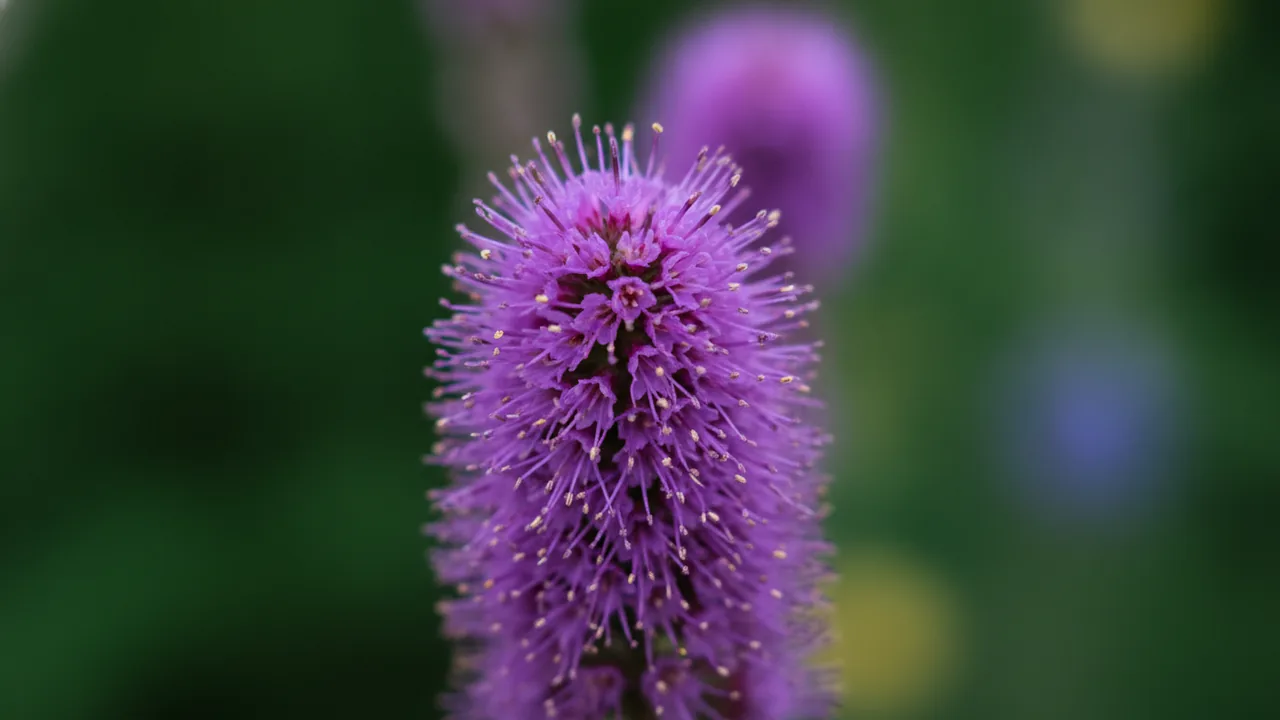
Liatris
Purple bottlebrush spikes that open from the top down and sit on nearly every monarch nectar list; butterflies work each spike from tip to base. A native prairie plant for full sun that asks for nothing.
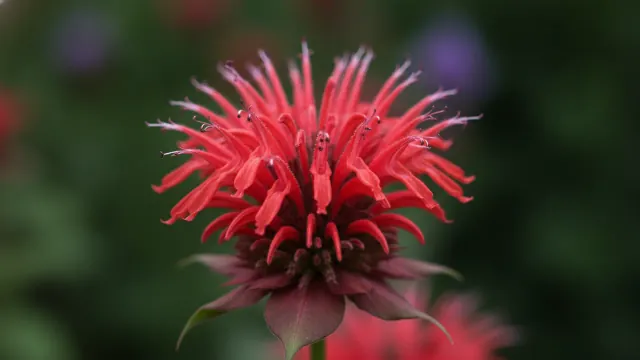
Monarda
Shaggy heads of tubular flowers in high summer, built for hummingbirds and long-tongued bees and visited by butterflies and moths. Give it air and sun to keep the mildew off.
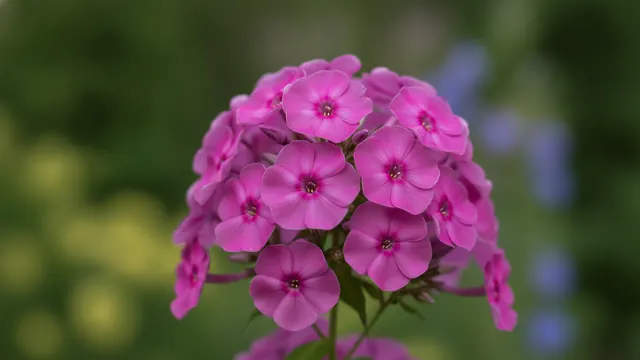
Phlox paniculata
Fragrant domed heads in high summer and one of the strongest butterfly draws there is; in a two-year trial the cultivar 'Jeana' drew more butterflies than any other. Full sun, space between plants, and deadhead it so seedlings do not swamp the one you chose.
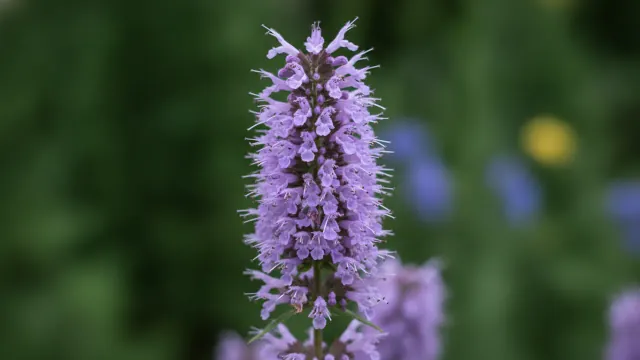
Agastache
Licorice-scented spikes of soft violet that butterflies, bees and hummingbirds work for weeks. Sharp drainage is the one rule; it self-sows gently, and the sterile 'Blue Fortune' barely seeds at all.
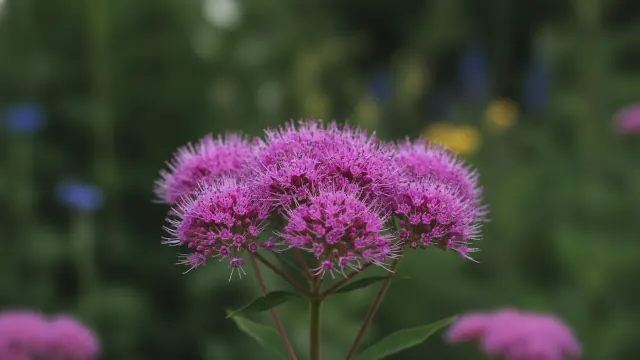
Eutrochium
Dusty-rose domes at the back of the border in late summer, fragrant, and a magnet for swallowtails and fritillaries when little else is open at that height. Keep the soil moist and it reaches full size.
The long bloomers: early summer to frost
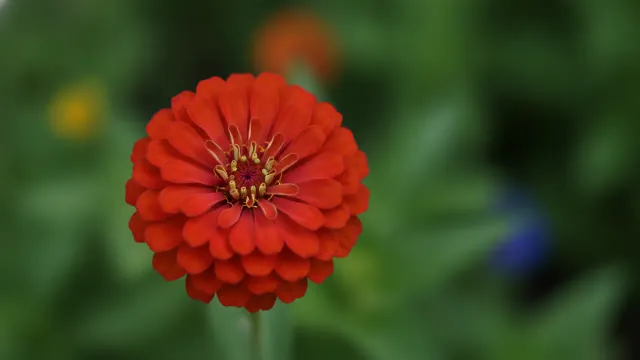
Zinnia elegans
The easiest nectar annual there is: sow it where it grows once the soil is warm and it flowers until frost. Choose single and semi-double forms; the fully double show types have bred out most of the nectar.
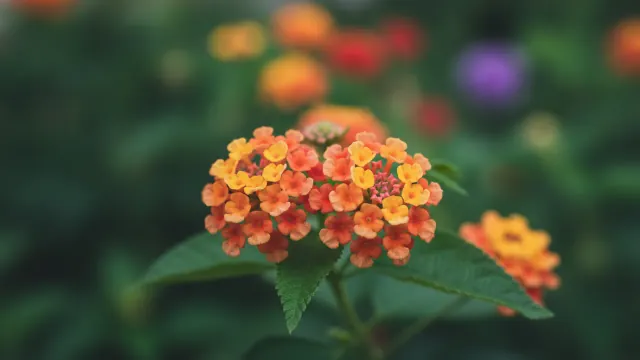
Lantana camara
Flat clusters that shift color as they age and pull in butterflies and hummingbirds all season; a shrub where winters are mild and an annual everywhere else. Where it is hardy it can spread, so choose a seedless cultivar and read the regional notes on its page before planting.
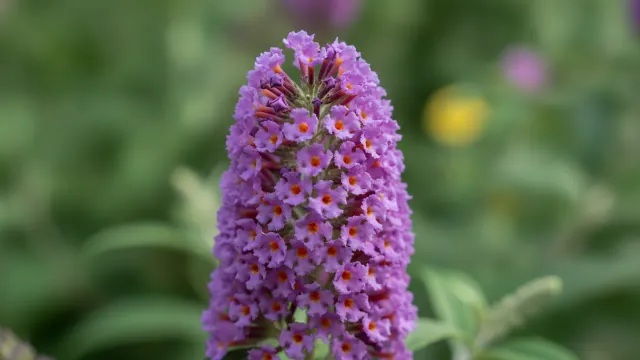
Buddleia davidii
Named for good reason: fragrant wands smothered in butterflies from early summer on. It feeds adults only, since no caterpillar of ours can develop on its leaves, and one flower cluster can set tens of thousands of seeds, so deadhead it, choose a sterile cultivar, and read the regional notes on its page before planting.
Late summer and fall: fuel for the migration
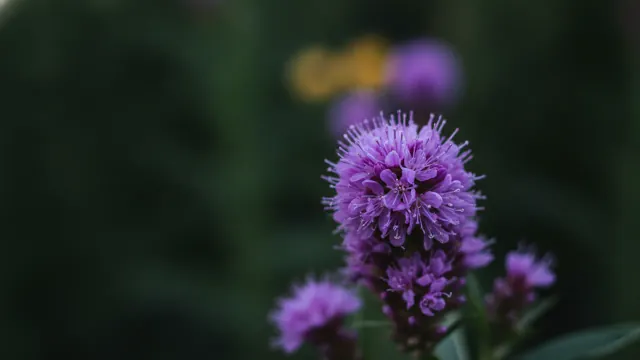
Vernonia
Tufted purple heads on tall stems in late summer and fall, feeding butterflies and migrating monarchs through the weeks before winter; songbirds take the seed after.
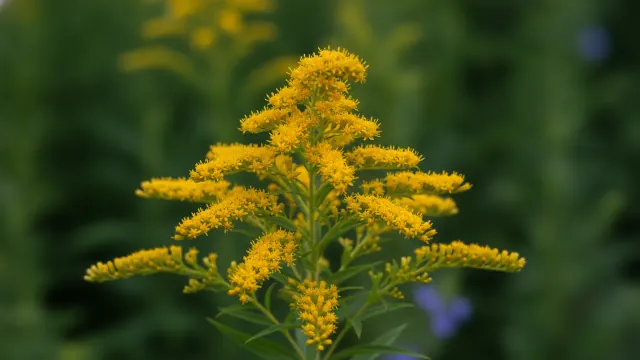
Solidago
The keystone fall nectar plant, and wrongly blamed for hay fever: its pollen is too heavy to blow, and ragweed is the culprit. It feeds migrating monarchs and dozens of specialist bees when little else is open.
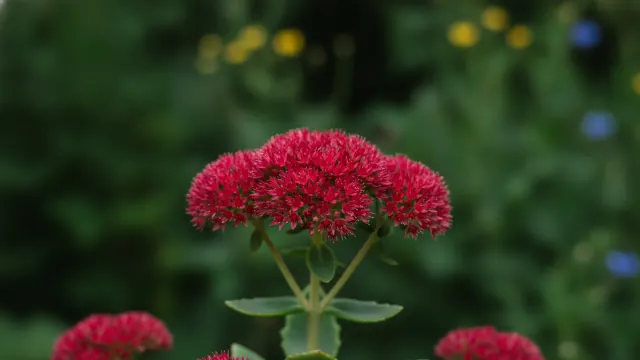
Hylotelephium 'Herbstfreude'
Flat heads that turn from pale pink to rust and become a landing platform for bees and butterflies late in the year. Lean soil keeps it upright; leave the seed heads standing for winter.
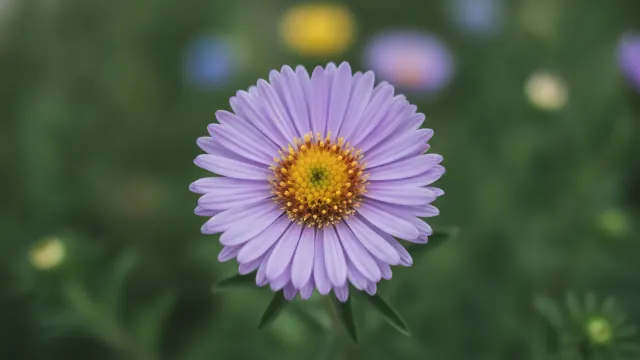
Symphyotrichum
The last big nectar source of the year, a keystone for migrating monarchs and bumble bees fattening up before winter, and the leaves feed pearl crescent caterpillars. Leave the stalks and seed heads standing for the birds.
Host plants: what butterfly caterpillars eat
Adult butterflies drink from almost any good flower. Their caterpillars are fussier: each species lays its eggs on a short list of host plants, and a garden without them feeds passing visitors and raises nothing. Every plant below is named for a butterfly its own page names, with the institution behind the claim credited there. Expect chewed leaves on these; that is the garden working, so never spray them.
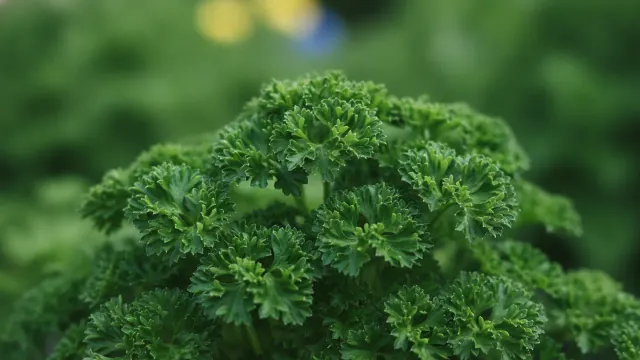
Petroselinum crispum
The herb patch's host plant: black swallowtail caterpillars, green with black and yellow bands, eat the leaves. Plant a few extra, and when you find them, let them be.
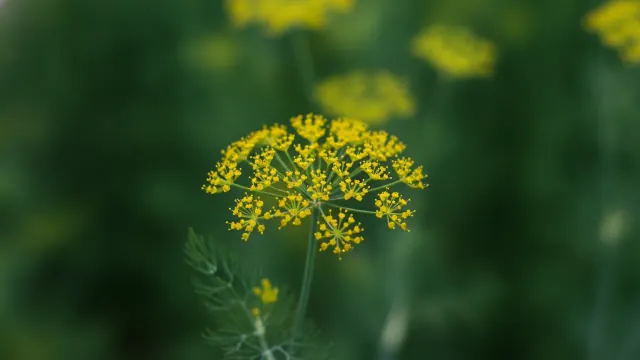
Anethum graveolens
Black swallowtails use dill as readily as parsley, and its umbels of tiny flowers feed the hoverflies and parasitic wasps that keep aphids down. Sow it in place; it hates being moved.
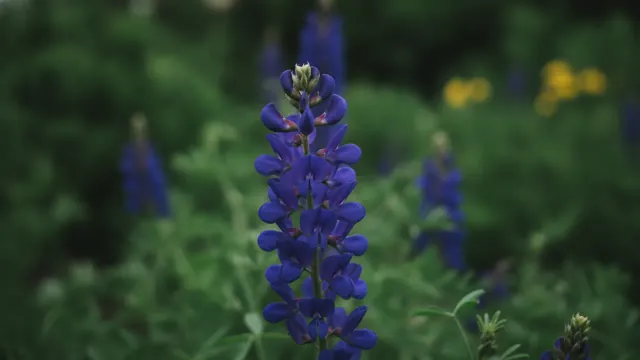
Baptisia
A long-lived native with blue pea flowers in late spring and the larval host of the wild indigo duskywing among others. Deep-rooted and deer-proof; site it once and leave it.
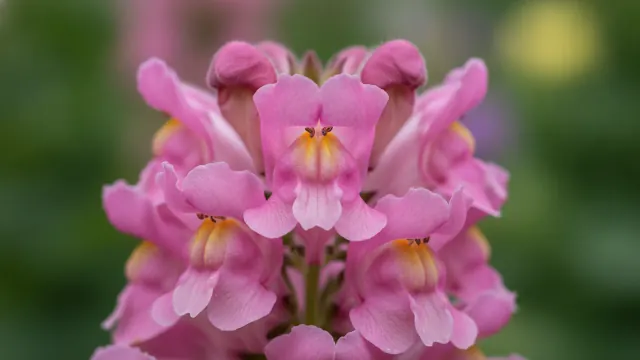
Chelone
A native for moist shade with hooded pink flowers in late summer and the main host plant of the Baltimore checkerspot, whose caterpillars eat the leaves. Only bumblebees are strong enough to open the flowers.
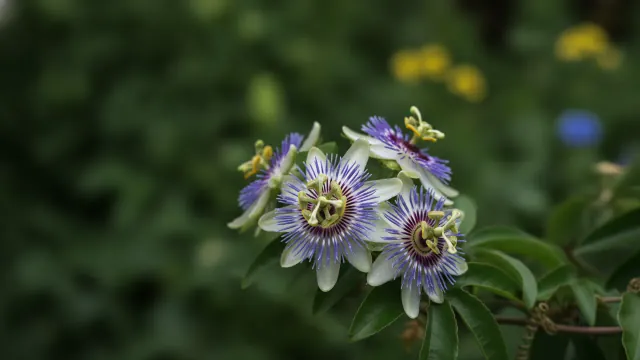
Passiflora
An exotic-looking vine whose leaves are the food of gulf fritillary caterpillars and other fritillaries. Chewed foliage in summer is the point, not a pest.
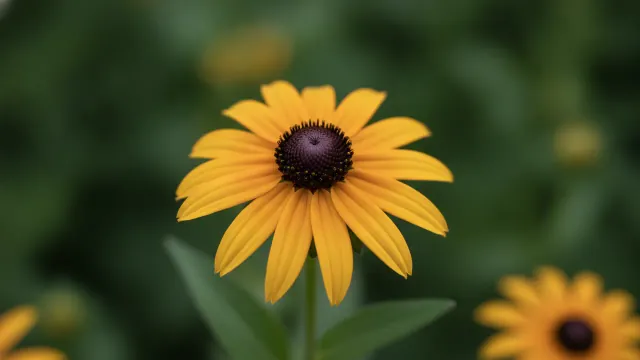
Rudbeckia
The most familiar native daisy is also a nursery: silvery checkerspot caterpillars feed on it, goldfinches take the seed, and it self-sows wherever it is welcome.
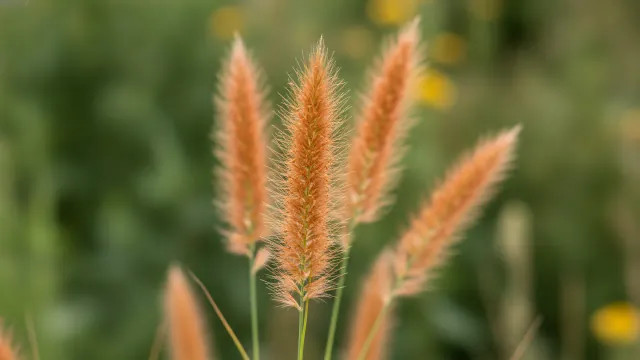
Schizachyrium scoparium
A knee-high native grass, blue-green in summer and copper in fall, that hosts a long list of skipper butterflies and shelters bumble bee queens over winter at its base. Keep it lean and dry.
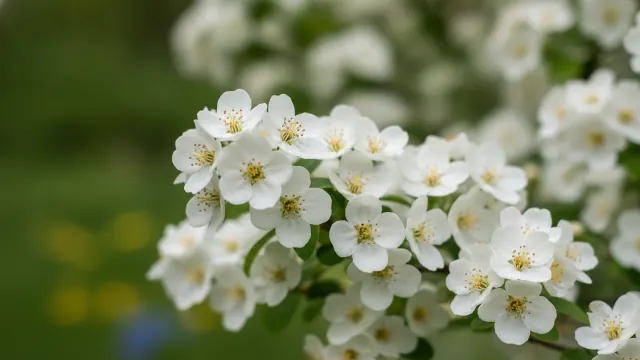
Amelanchier
A small native tree that opens the season: white flowers in early spring for the first butterflies, berries for the birds, and leaves that red-spotted purple and viceroy caterpillars eat.
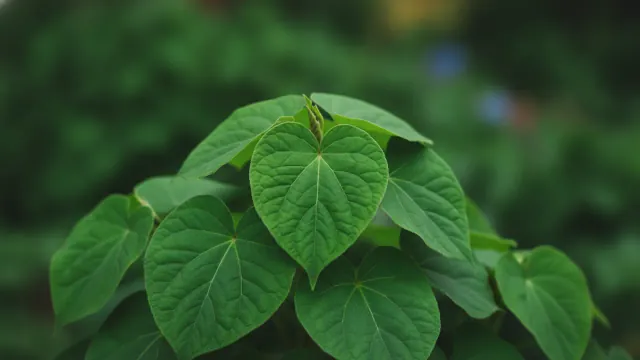
Asarum
A native groundcover for shade with heart-shaped leaves and flowers hidden at ground level; its value to butterflies is as food for pipevine swallowtail caterpillars, not nectar. The shady side of the butterfly garden.
How to attract butterflies to your garden
- Sun. Butterflies feed and bask in full sun; site the nectar plants where they get it from mid-morning on, out of the wind.
- Drifts, not dots. Three or more of each plant together; a single flower is easy to miss from the air and a block of color is not.
- Something open from spring to frost. Use the bloom months on each row above to find your gaps; late summer and fall are where many gardens run dry, and that is migration season.
- Host plants, and patience with chewed leaves. Caterpillars are the goal, and they eat; plant extra and leave them be.
- No pesticides, including on the vegetables. Most sprays kill caterpillars outright, and many systemic products reach nectar and pollen.
- A puddling spot. A shallow dish of damp sand or a bare muddy patch gives butterflies the minerals they cannot get from nectar.
- Leave the fall cleanup until spring. Many butterflies overwinter as eggs, caterpillars or chrysalises in leaf litter and standing stems.
What is the difference between nectar plants and host plants?
Nectar plants feed adult butterflies; host plants feed their caterpillars, and each butterfly species has its own short list of them. A garden needs both to raise butterflies rather than just feed them. Milkweed is the famous case: monarch caterpillars eat nothing else, and butterfly weed is the tidiest milkweed for a border.
Is butterfly bush bad for butterflies?
It is a fine nectar plant and a poor host: adults feed on it all summer, but no caterpillar of ours can eat its leaves, and it sets seed in huge quantity, which is why its sale is regulated in some states. If you grow it, grow a sterile cultivar, deadhead it, and plant a milkweed beside it so the next generation is fed too.
When should a butterfly garden be in bloom?
From the first warm days of spring to the first frost, with the heaviest nectar in late summer and fall, when the migrating generations are feeding up. Use the bloom months printed on each row above to find your gaps; in many gardens the gap opens after midsummer, and that is the one to fill first.
Design a garden with these plants
Open BloomsEye Studio with this guide's plants ready to drop onto a plan, then watch the whole bed bloom across the year. New to it? See what the free garden planner does.