
Garden style
The Cool Border: A Planting of Blues and Purples
Calm, elegant, and easy on the eye. A border of blues and purples, layered to carry from spring to fall.
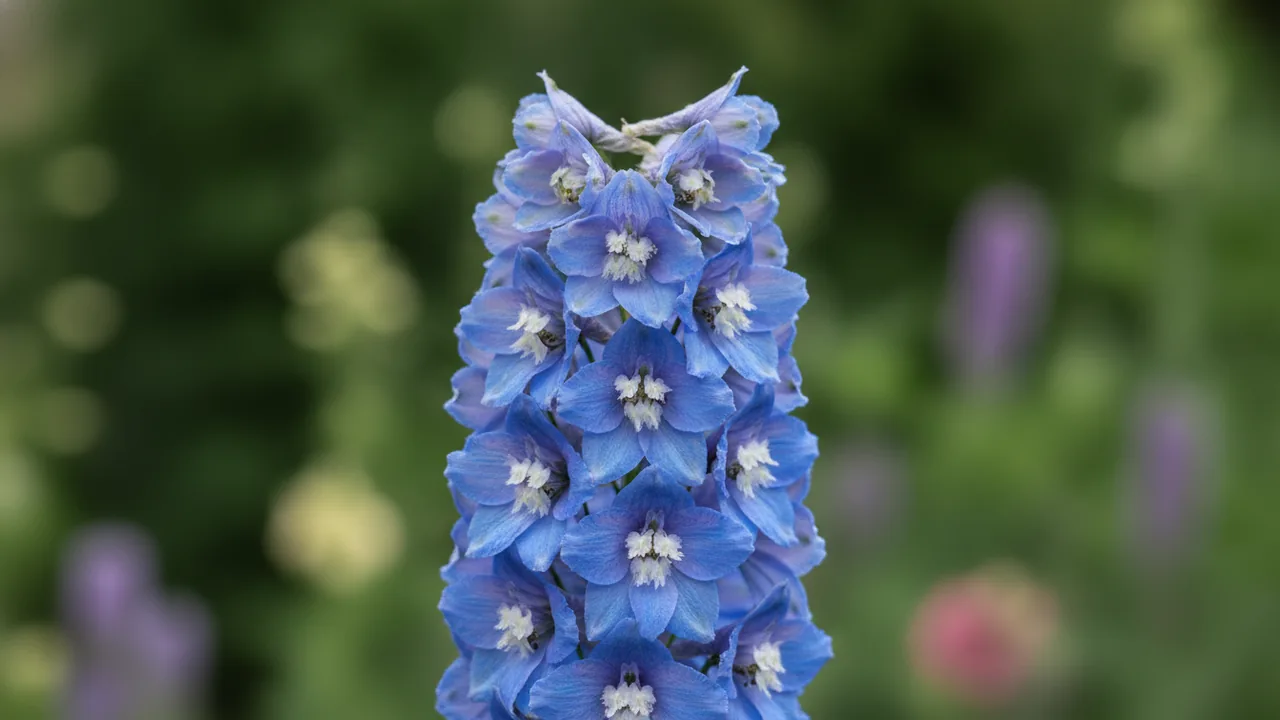
If the hot border shouts, the cool border whispers. Blues and purples are the most restful colors in the garden, calming and elegant, and they make a space feel larger and more serene. They are also wonderfully easy to combine, since almost every blue and purple sits happily beside the next.
The one thing to know is that cool colors recede from the eye, so a little planning helps them read. Layer them through the seasons and lift them with silver foliage, and you get a border that stays calm and beautiful from spring to fall. Build from the full lists of purple and blue flowers.
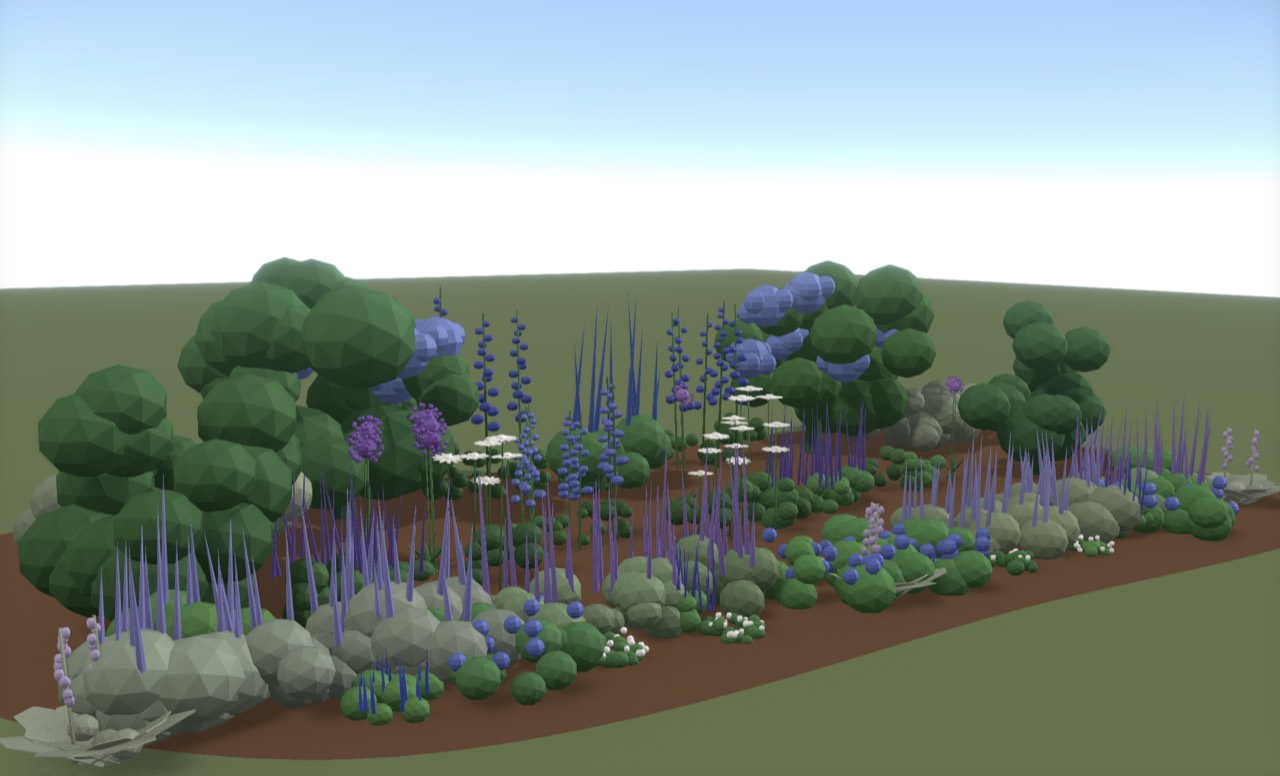 Interactive 3D
Cool-toned perennials for summer
These are the backbone: long-blooming blues and purples that come back every year and hold the border together through summer.
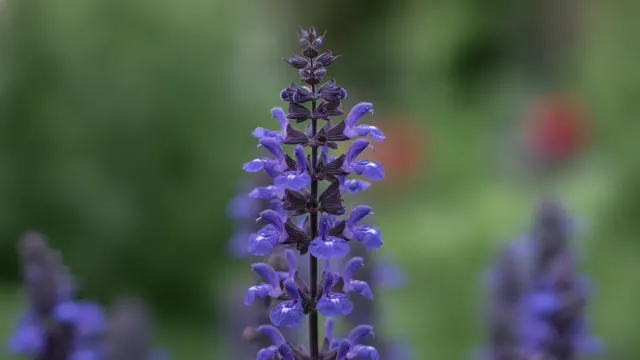
Salvia nemorosa 'Caradonna'
Slim, near-black stems topped with violet-purple spikes for weeks, one of the best blues there is.
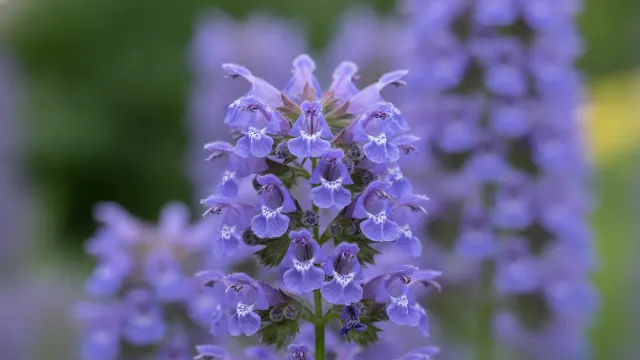
Nepeta 'Walker's Low'
A long, billowing haze of lavender-blue over aromatic gray-green foliage all summer.
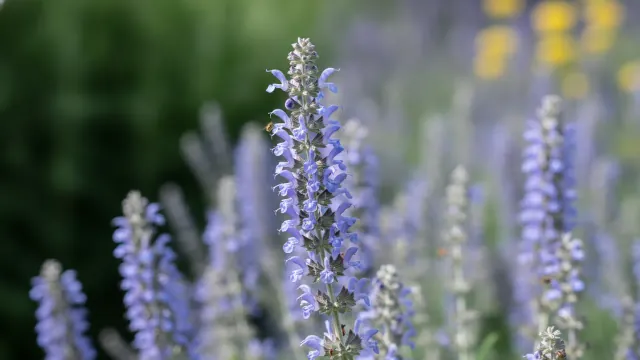
Salvia yangii
An airy veil of violet-blue on silver stems that shimmers in the heat of late summer.
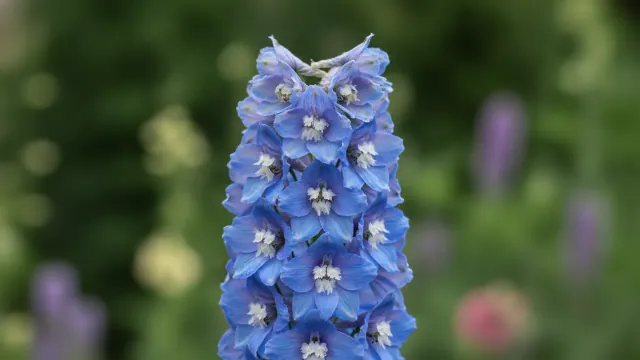
Delphinium
Towering spires in the purest blues, the aristocrat of the cottage and cool border alike.
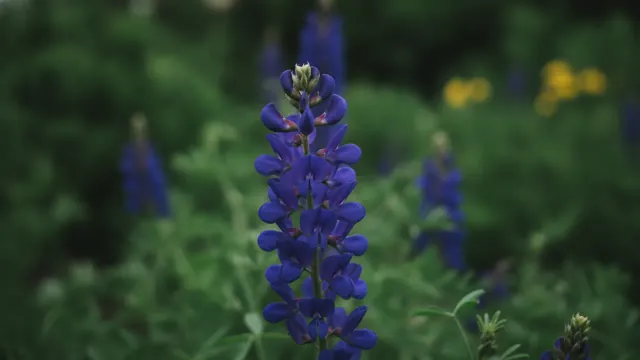
Baptisia
False indigo, with blue-purple spires in early summer and handsome blue-green foliage after.
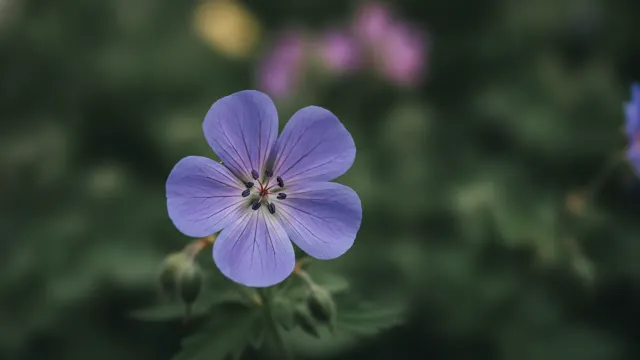
Geranium 'Rozanne'
Violet-blue saucers nonstop from early summer to frost, weaving through its neighbors.
Spires and globes for structure
Cool schemes need shape as well as color. These bring architecture: vertical spikes and perfect spheres that give the eye something to hold onto.
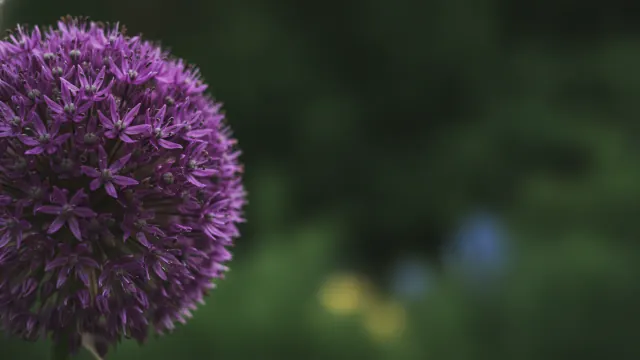
Allium 'Globemaster'
Giant violet spheres on tall stems in late spring, then sculptural seed heads for months.
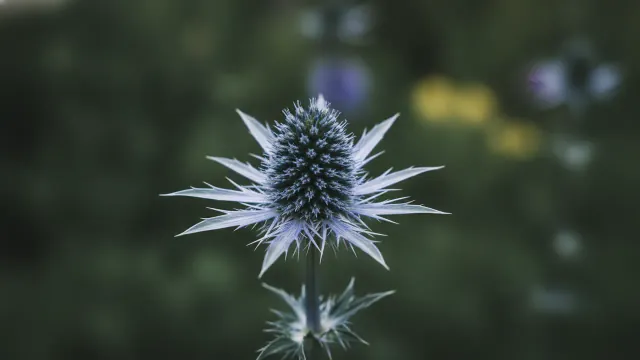
Eryngium
Steely, metallic-blue cones and spiky ruffs, architectural and unforgettable in a dry, sunny spot.
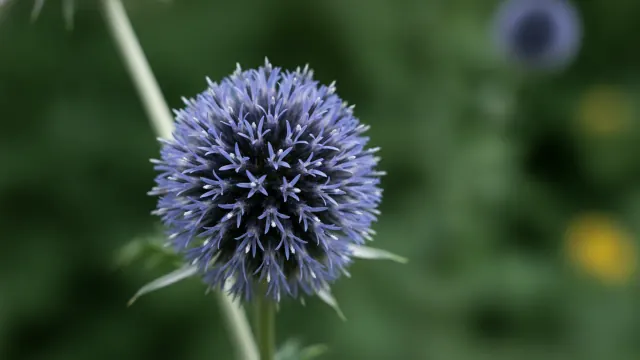
Echinops
Globe thistle, with perfect spherical heads of steel-blue that bees adore and that dry beautifully.
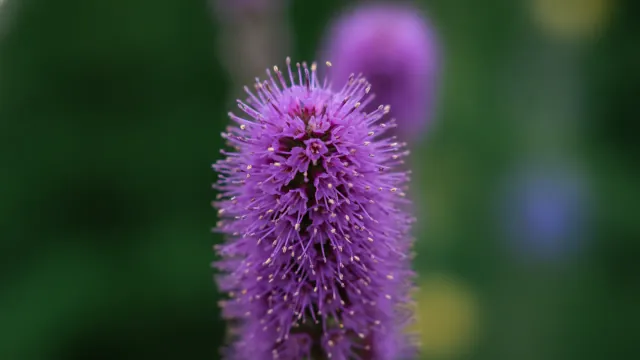
Liatris
Purple bottlebrush spikes that flower top to bottom and draw clouds of butterflies.
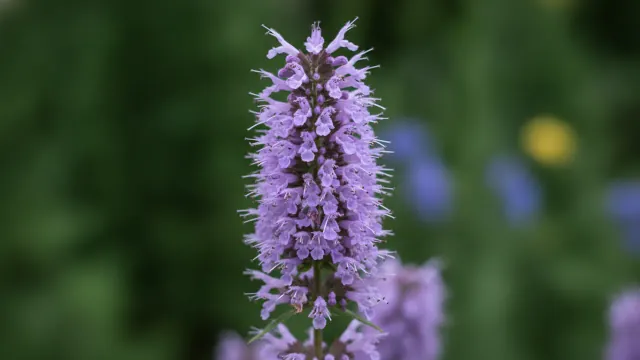
Agastache
Soft violet spikes with anise-scented foliage, humming with bees and hummingbirds for weeks.
Cool-toned shrubs
A few shrubs give the border its bones and some of its best color, in flower and in leaf.
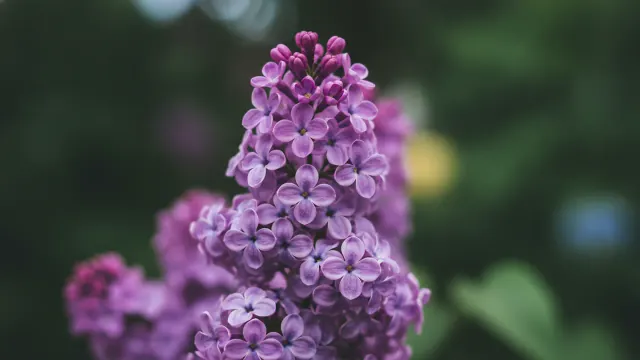
Syringa vulgaris
The scent of late spring, in soft lilac and violet, on a big and trouble-free shrub.
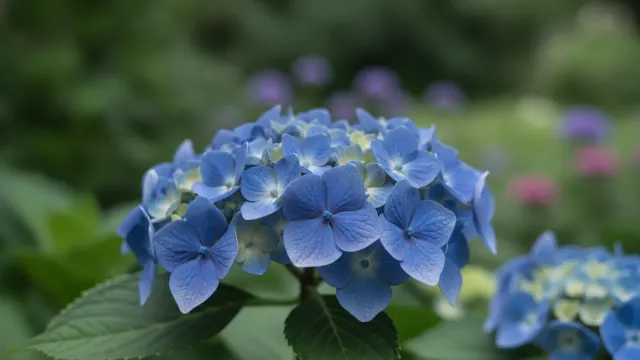
Hydrangea macrophylla
Bigleaf hydrangea, whose mophead blooms turn the truest blue in acidic soil.
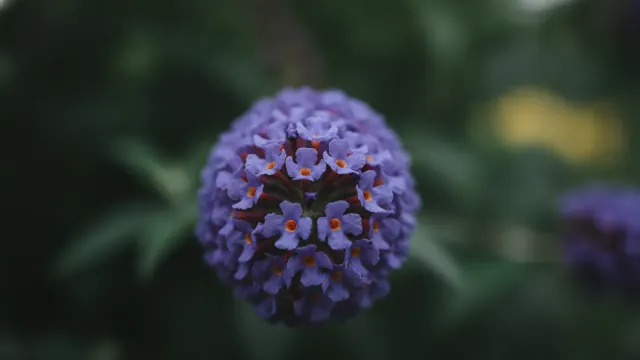
Buddleia davidii 'Nanho Blue'
Arching wands of lavender-blue from summer to fall, alive with butterflies (deadhead to keep it tidy).
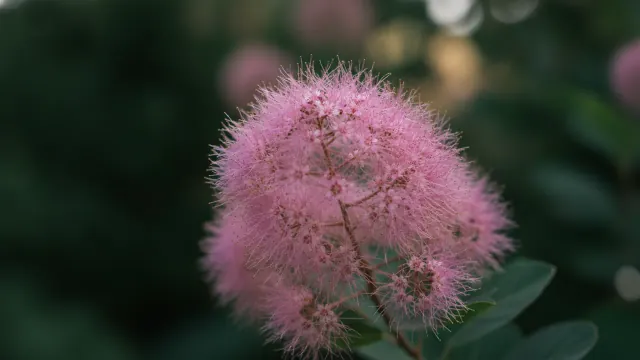
Cotinus coggygria 'Royal Purple'
Deep purple foliage and smoky plumes that give a cool scheme depth and a moody anchor.
Spring: the first cool blues
The cool border can start as early as late winter with a few well-chosen bulbs and shade perennials.
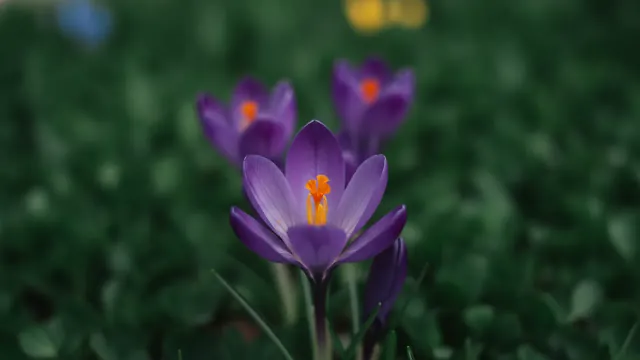
Crocus
Goblets of purple and lavender that open with the first warm days and feed the early bees.
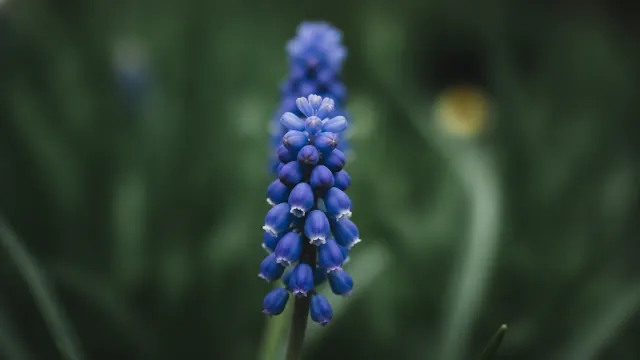
Muscari
Spikes of intense blue, best planted in generous rivers threading between other spring bulbs.
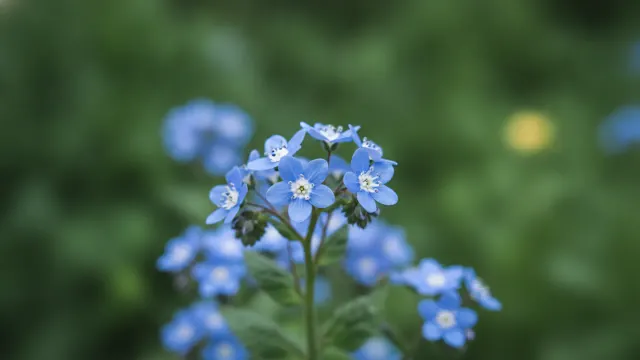
Brunnera macrophylla
Sprays of tiny forget-me-not-blue flowers above silver-marbled leaves, for spring shade.
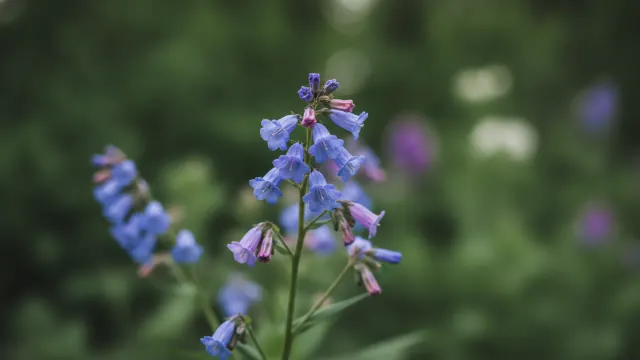
Mertensia virginica
Clouds of sky-blue bells in dappled shade, then politely disappears for summer.
Cool color into fall
Carry the scheme to the very end of the season with these late blues and purples.
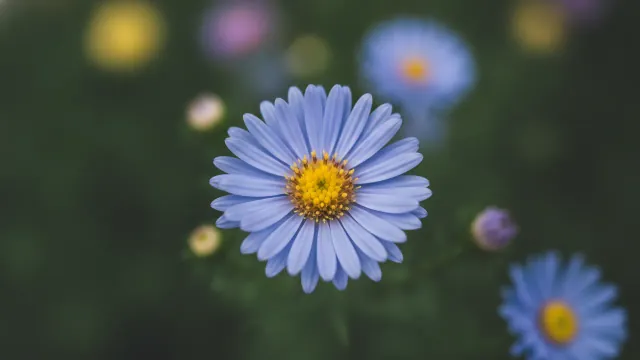
Symphyotrichum oblongifolium 'October Skies'
A low dome smothered in lavender-blue daisies in fall, one of the last great nectar sources.
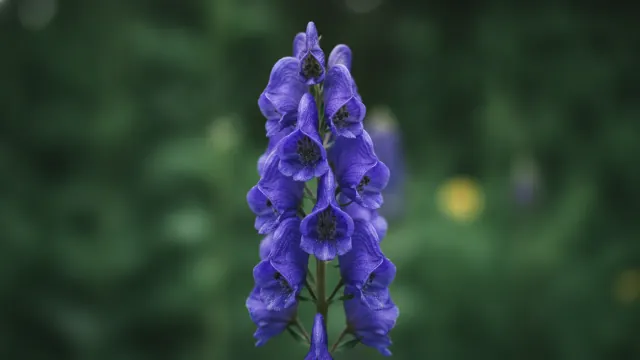
Aconitum
Tall, hooded spires of deep indigo for autumn shade, striking but best kept away from children and pets.
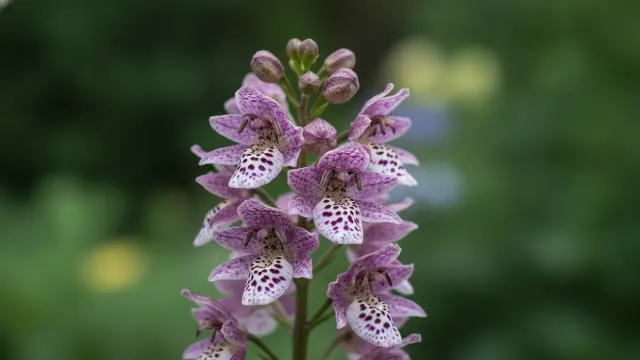
Tricyrtis
Curious, orchid-like flowers freckled in purple, lighting up a shady corner late in the season.
Cool colors recede, so plant them close
Unlike hot colors, blues and purples step back from the eye and can fade out at a distance. Use them where you will see them up close, by a path or a seat, and lift them with touches of silver foliage, white, and the occasional shot of soft yellow.
What flowers are blue and purple for a garden?
Salvia, catmint, russian sage, delphinium, alliums, and asters cover purple and blue from spring to fall, joined by shrubs like lilac and blue hydrangea.
Do true blue flowers exist?
True blue is rare in nature, so many garden blues lean toward violet or purple. Delphiniums, salvia, brunnera, and grape hyacinths are about as genuinely blue as flowers get.
How do I use cool colors in the garden?
Cool blues and purples are calming and recede from view, so plant them where they will be seen close up and lift them with silver foliage and a little white or soft yellow for contrast.
Design a garden with these plants
Open BloomsEye Studio with this guide's plants ready to drop onto a plan, then watch the whole bed bloom across the year. New to it? See what the free garden planner does.