
Garden style
The Cottage Garden: Relaxed, Romantic, and Full to Bursting
Relaxed, romantic, and packed with flowers. The classic cottage-garden plants, and how to layer them.
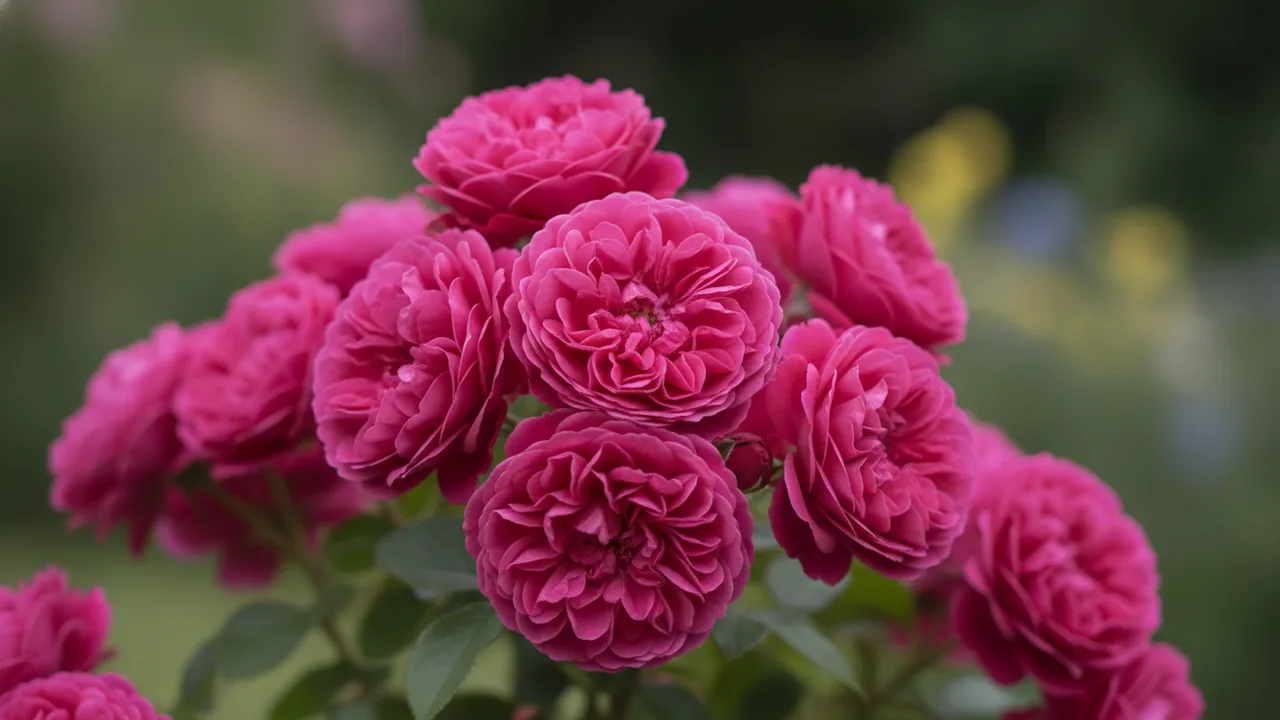
The cottage garden is the most romantic style there is: a relaxed, slightly wild abundance of flowers crammed together with barely a glimpse of bare soil. It grew out of the gardens of country cottages, where every inch was planted with something useful or beautiful, and that informal, generous spirit is exactly what makes it so charming.
The look comes from layering, mixing heights and colors, leaning on self-seeders, and letting plants knit together and tumble over the path. There are no strict rules, but a handful of classic plants give it that unmistakable feel.
The classic cottage flowers
These old-fashioned favorites are the heart of the style: tall spires and frothy mounds that have featured in cottage gardens for centuries. Many self-seed, popping up wherever they please.
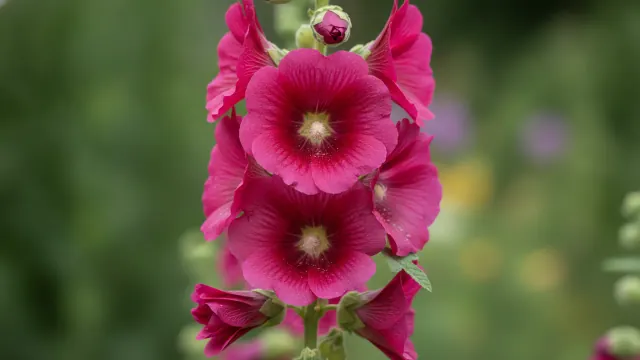
Alcea rosea
Towering spires of papery flowers against a wall or fence, the signature cottage-garden plant.
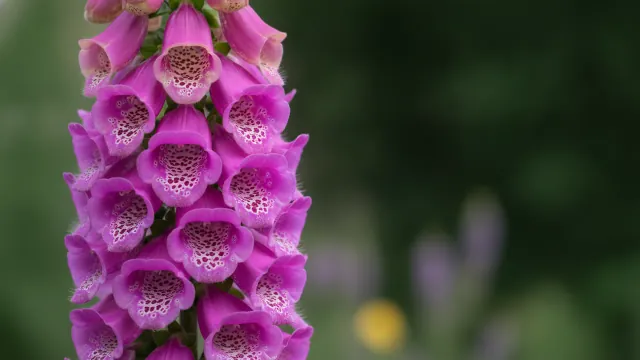
Digitalis
Tall, freckled bells that self-seed happily and draw bumblebees right up the spike.
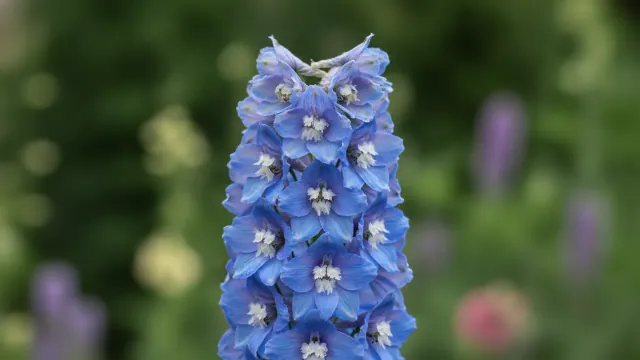
Delphinium
Majestic blue spires that give a border its height and its most intense color.
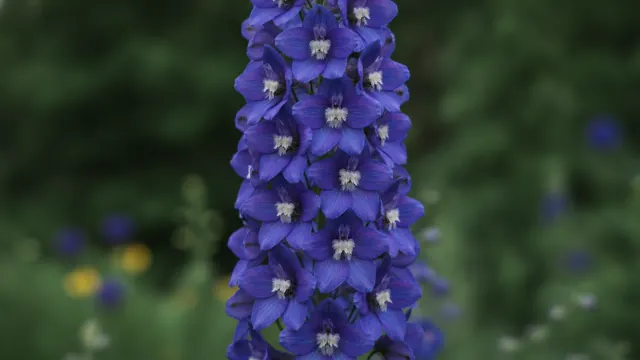
Consolida
The easy annual cousin of delphinium, quick from seed and wonderful for cutting.
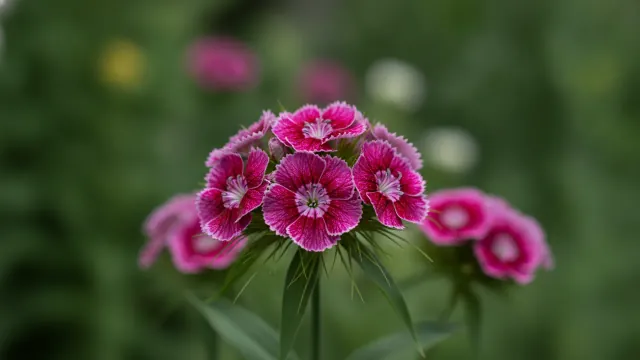
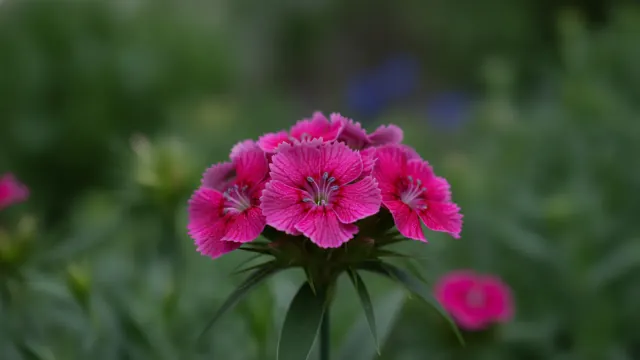
Dianthus barbatus
Clustered, sweetly scented flowers in rich colors, an old favorite for edging.
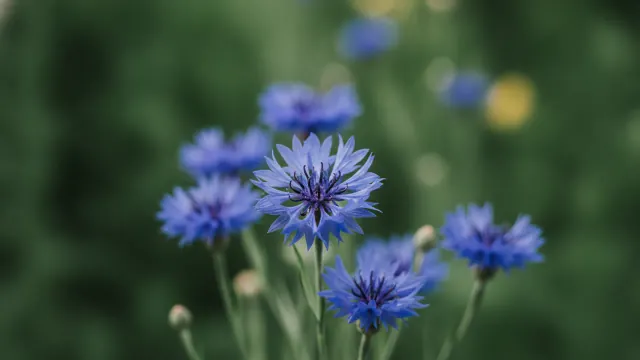
Centaurea cyanus
True-blue buttons on wiry stems that self-seed freely and bring in the bees.
Cottage perennials that return every year
These come back bigger each season and form the reliable backbone that the annuals weave through.
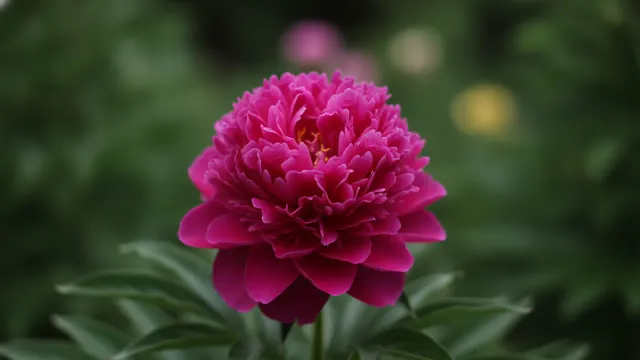
Paeonia
Lush, fragrant early-summer flowers from a plant that can outlive the gardener.
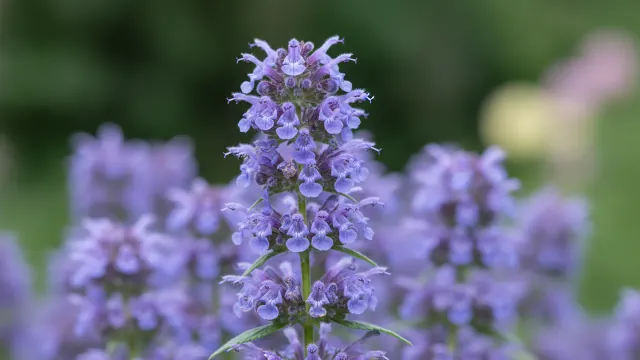
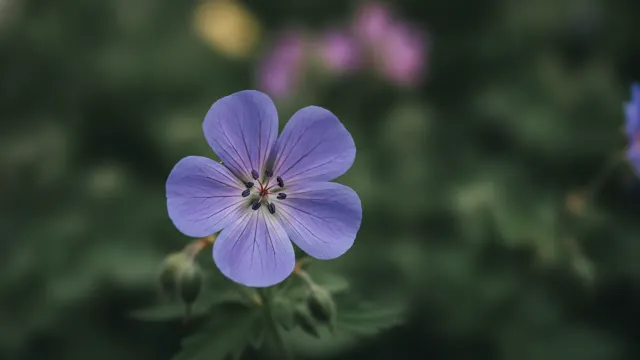
Geranium 'Rozanne'
Violet-blue flowers nonstop from early summer to frost, threading through everything.
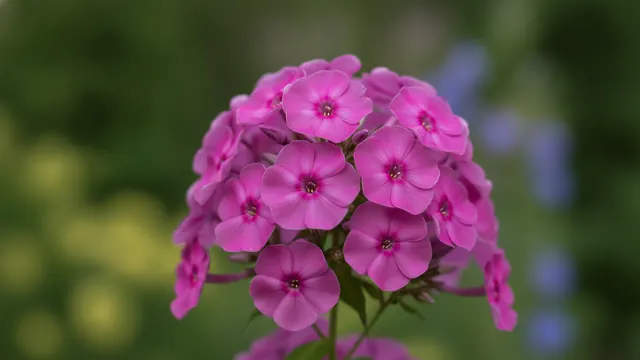
Phlox paniculata
Fragrant, colorful heads that fill the mid- to late-summer garden with scent.
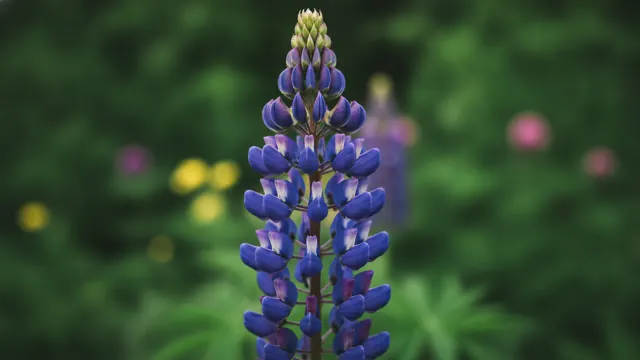
Lupinus
Spires packed with pea-like flowers in early summer, pure cottage-garden nostalgia.
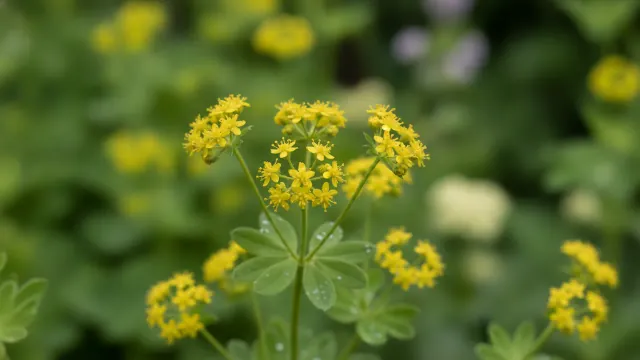
Alchemilla mollis
Frothy chartreuse flowers and pleated leaves that catch the dew, the perfect softening filler.
Roses and fragrance
No cottage garden is complete without a rose scrambling somewhere and plenty of scent at nose height.
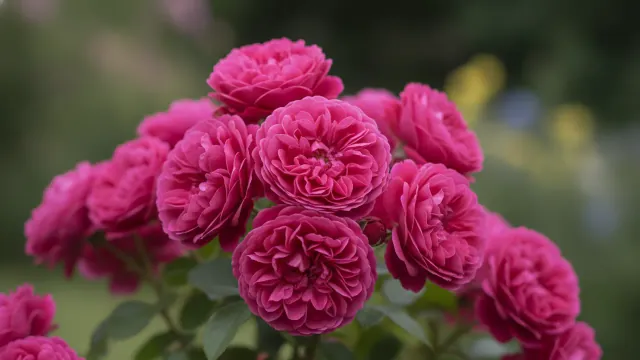
Rosa 'Ausbord'
An English rose with perfect rosette blooms and possibly the finest fragrance of any rose.
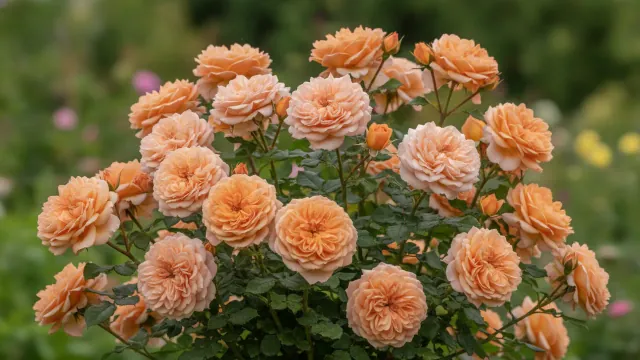
Rosa 'Auscot'
Big, cupped apricot-pink flowers with a fruity scent, repeat-flowering all season.
Let it self-seed
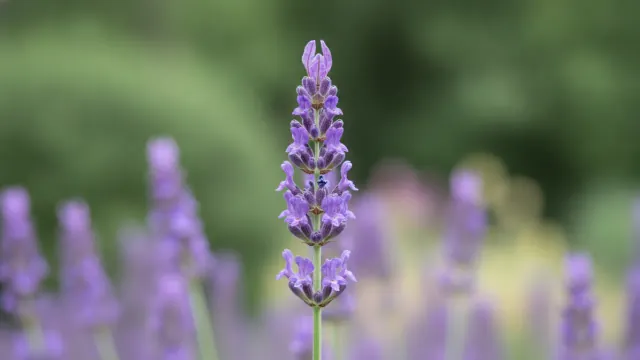
The cottage look depends on a little controlled chaos. Let foxgloves, larkspur, and cornflowers drop their seed and come up where they like, and resist the urge to space everything out. The plants are meant to lean on each other.
What plants make a cottage garden?
Tall spires like hollyhocks, foxgloves, and delphiniums, frothy perennials like catmint, hardy geraniums, and lady's mantle, classic roses, and self-seeding annuals like larkspur and cornflowers.
How do I design a cottage garden?
Plant densely and informally, mix heights, let plants spill over paths, repeat a few colors for cohesion, and allow self-seeders to fill the gaps. The goal is relaxed abundance, not neat rows.
Is a cottage garden hard to maintain?
It is more relaxed than fussy. Dense planting suppresses weeds and self-seeders refill the gaps on their own. The main jobs are staking the tallest plants, deadheading, and thinning self-sown seedlings.
Design a garden with these plants
Open BloomsEye Studio with this guide's plants ready to drop onto a plan, then watch the whole bed bloom across the year. New to it? See what the free garden planner does.