
Cut flowers
The Cut Flower Garden: Grow Your Own Bouquets
Fresh bouquets from your own backyard, all season. The best flowers for cutting, and how to keep them coming for months.
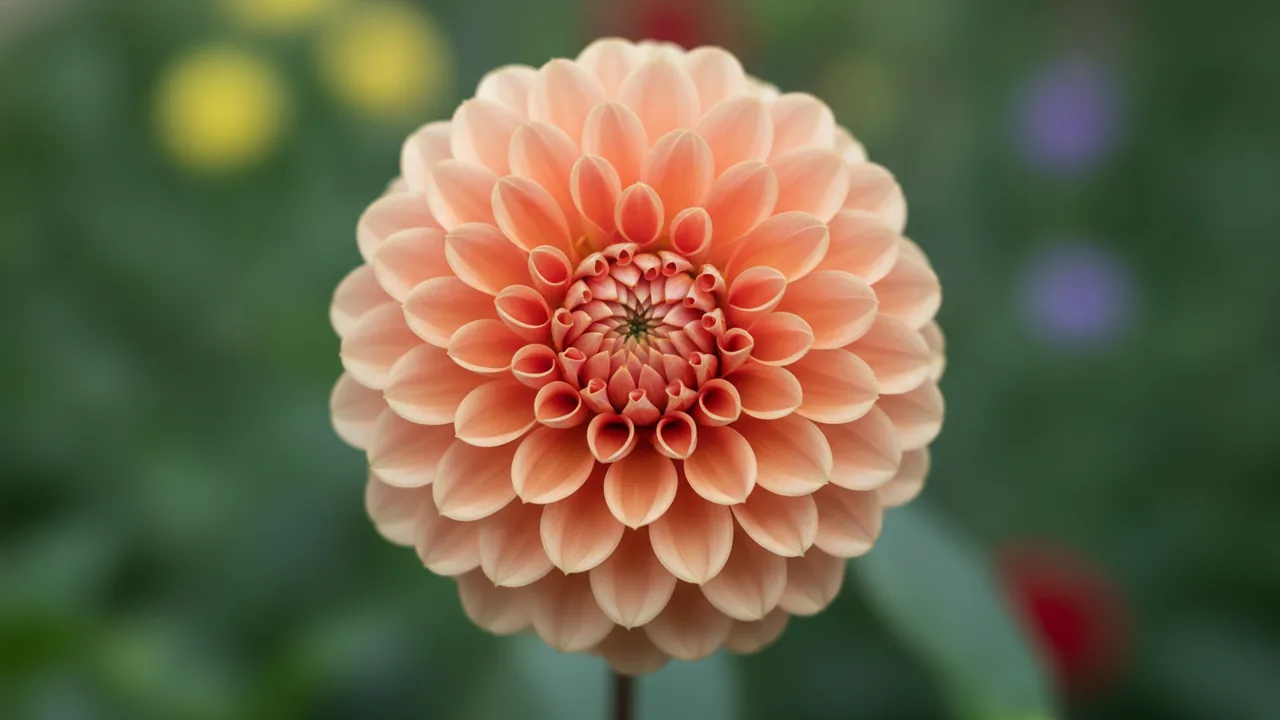
There is nothing like walking out and cutting an armful of your own flowers for the table. A cut flower garden, even a single row of it, gives you bouquets all season for the price of a few seeds and bulbs, and with most of these plants, the more you pick, the more they produce.
The trick is to grow varieties bred for cutting: long, straight stems, a good vase life, and flowers that keep coming. Plant a mix across the seasons and you can cut from spring right into fall. Browse the full list of flowers for cutting to plan your rows.
Cut and come again
Most cutting flowers, dahlias, zinnias, cosmos, and sweet peas among them, flower harder the more you cut. Picking regularly tells the plant to keep producing, so a cutting garden rewards the greedy. Even deadheading keeps the show going.
Spring: the first stems for the vase
Planted the previous autumn or in early spring, these get the cutting season off to a flying start.
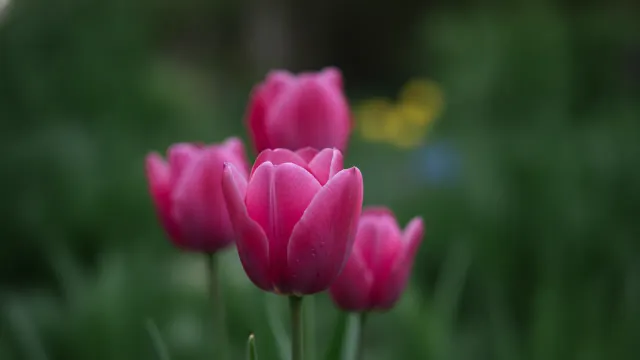
Tulipa
Spring's brightest cut flower, in every color, and they keep growing and gently bending in the vase.
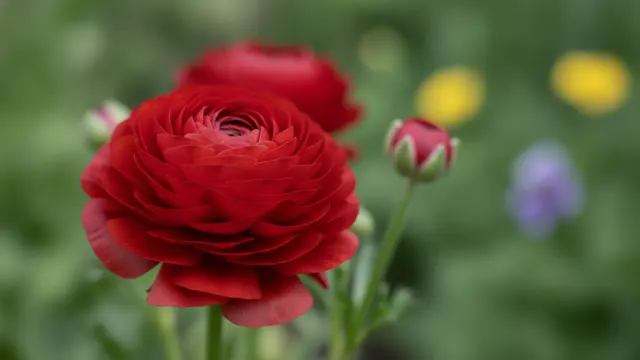
Ranunculus asiaticus
Layers of tissue-thin petals on long stems, one of the most sought-after spring cut flowers.
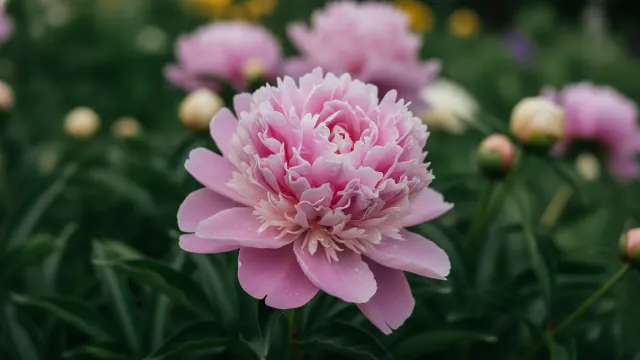
Paeonia 'Sarah Bernhardt'
Huge, ruffled, fragrant pink blooms, the classic peony for a late-spring bouquet.
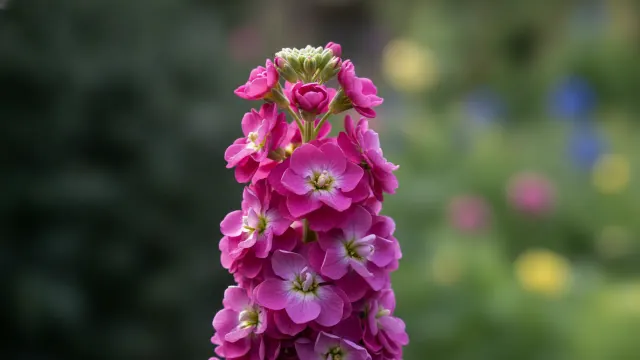
Matthiola
Dense spikes of sweetly clove-scented flowers that can perfume a whole room.
Summer: the cutting-garden workhorses
This is the heart of it. Plant or sow these and you will be cutting by the bucketful all summer long.
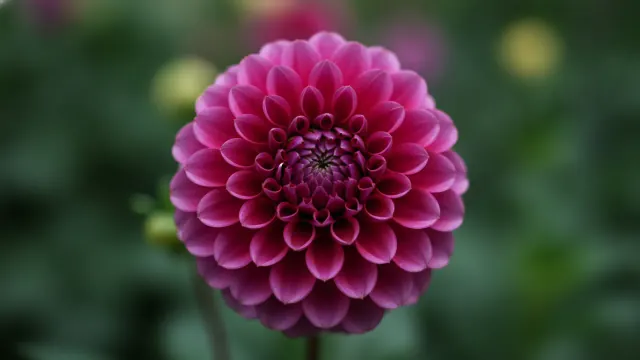
Dahlia
The queen of the cutting garden, flowering from midsummer to frost in every form and color.
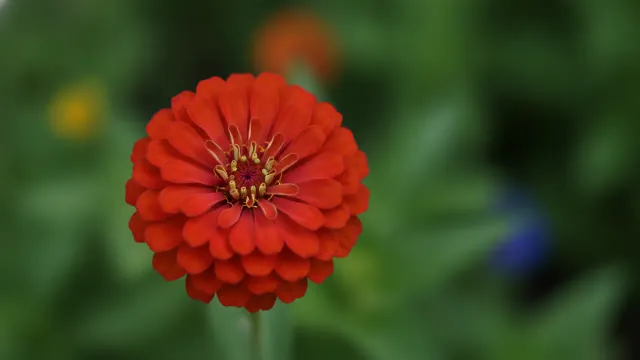
Zinnia elegans
The easiest cut flower of all, fast from seed and producing more the more you pick.
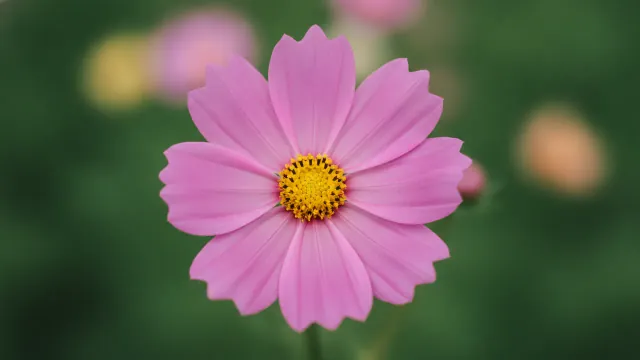
Cosmos bipinnatus
Airy, daisy-like flowers on long wiry stems that bring lightness to any arrangement.
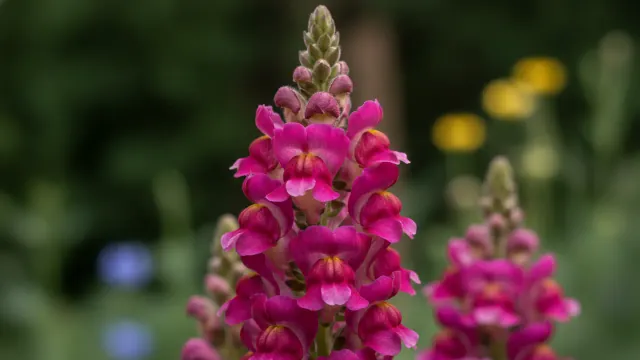
Antirrhinum
Tall, elegant spikes that give a bouquet height and an old-fashioned charm.
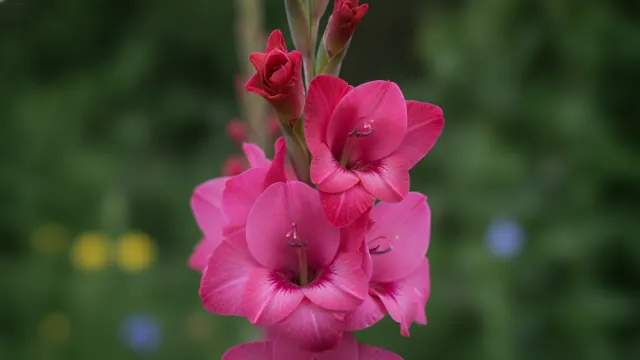
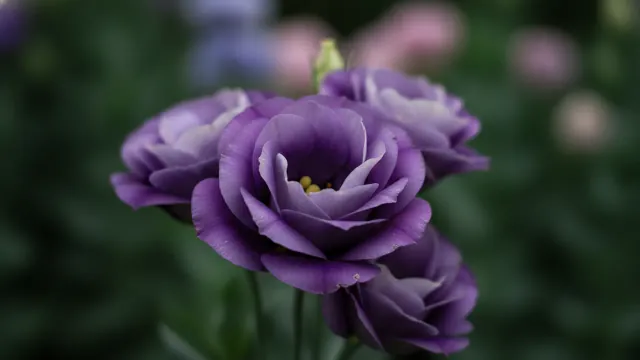
Eustoma
Looks like a rose, lasts two weeks in water, and comes in gorgeous soft shades.
Texture, filler, and flowers that dry
Every bouquet needs more than focal flowers. These add the fillers and texture that make an arrangement look professional, and several dry beautifully for winter.
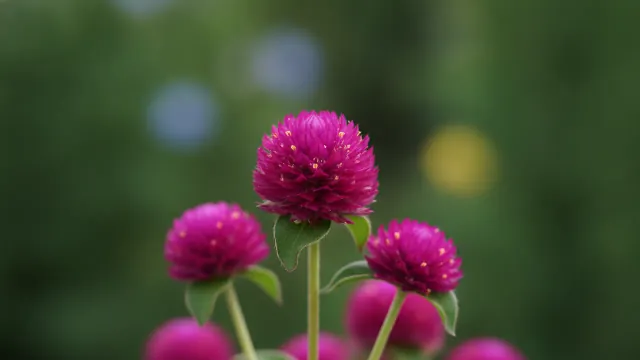
Gomphrena
Papery, clover-like buttons in jewel colors that last for ages fresh and dry perfectly.
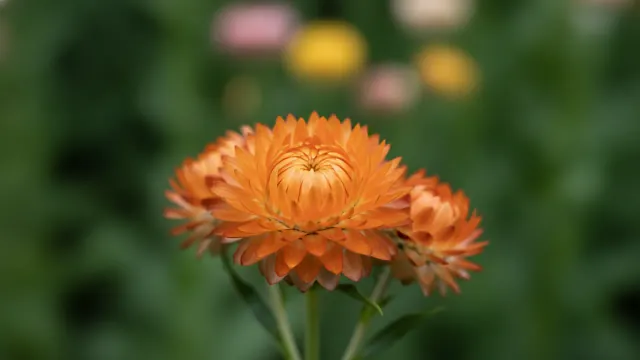
Xerochrysum
Crisp, papery petals that hold their color for months when dried for everlasting bunches.
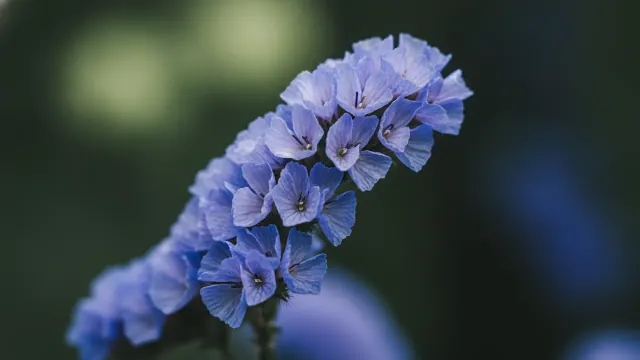
Limonium
A classic everlasting that adds color and fills out a bouquet, fresh or dried.
Cut them right
- Cut in the cool of early morning, when stems are full of water.
- Carry a bucket of water into the garden and plunge the stems straight in.
- Strip any leaves that would sit below the waterline, so they do not rot.
- Recut the stems at an angle and change the water every couple of days.
- Pick most flowers just as they open, for the longest possible vase life.
What are the best flowers to grow for cutting?
Dahlias, zinnias, cosmos, and snapdragons are among the most productive summer flowers, alongside spring bulbs like tulips and ranunculus and early peonies. Choose varieties bred for long stems and vase life.
How do I make cut flowers last longer?
Cut in the early morning, get them into water at once, strip any leaves below the waterline, recut the stems, and change the water every couple of days. Keep arrangements out of direct sun and away from ripening fruit.
Do cut flowers grow back?
Many do. Annuals like zinnias, cosmos, and dahlias are cut-and-come-again, flowering more the more you pick, while perennials and bulbs return each year.
Design a garden with these plants
Open BloomsEye Studio with this guide's plants ready to drop onto a plan, then watch the whole bed bloom across the year. New to it? See what the free garden planner does.