
Garden style
The Dark Garden: Moody Plants in Black, Burgundy, and Deep Purple
Drama, depth, and a little mystery. The best near-black flowers and dark foliage, and how to make them glow.
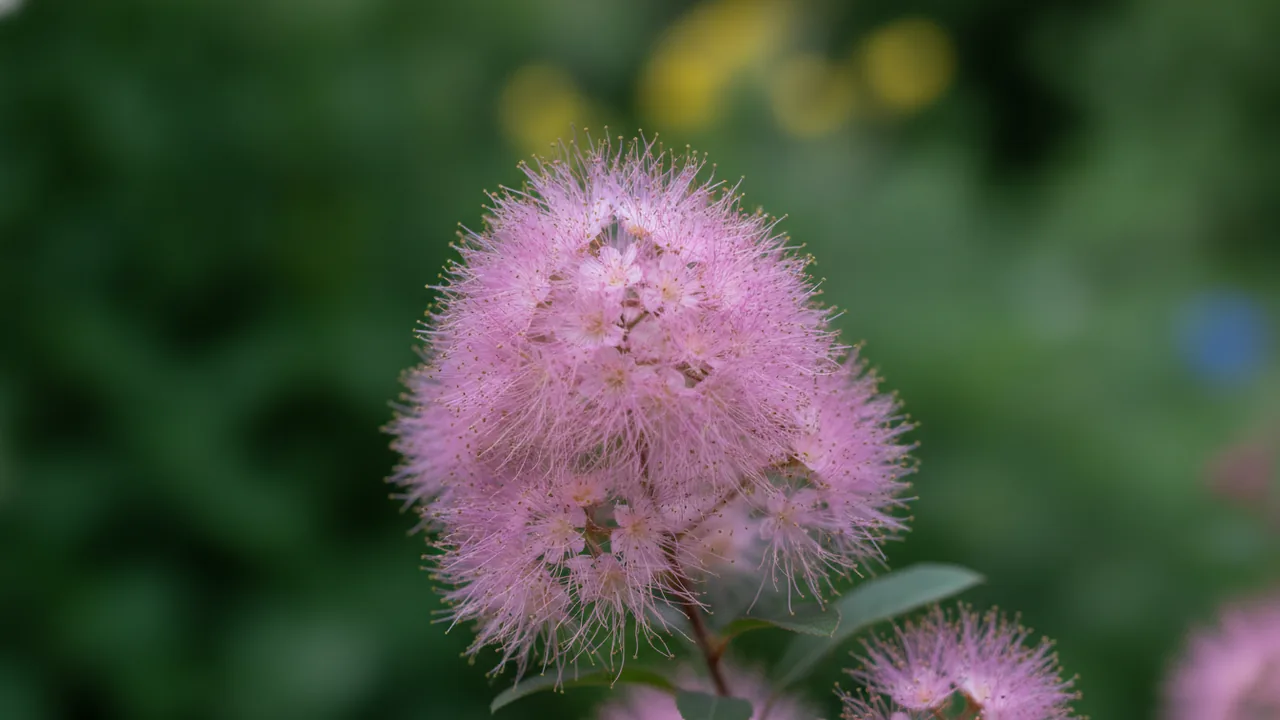
There is nothing gloomy about a dark garden done well. Near-black flowers and deep wine-colored leaves bring drama, depth, and a sense of luxury that no bright color can, and they make every shade around them look richer. A few dark plants woven through a border give it real weight and sophistication.
The one rule is that dark colors need light to read against, so this is as much about what you place behind them as the dark plants themselves. Below are the moodiest flowers and foliage, with how to make them glow rather than disappear. Many of the best are also purple.
Near-black flowers
True black is rare in nature, so the darkest flowers are really deep, saturated purples, reds, and maroons, which is exactly what makes them so striking.
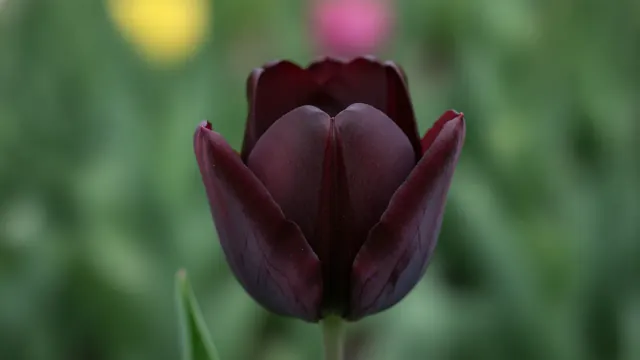
Tulipa 'Queen of Night'
The famous near-black tulip, deep maroon-purple and unforgettable in a spring planting.
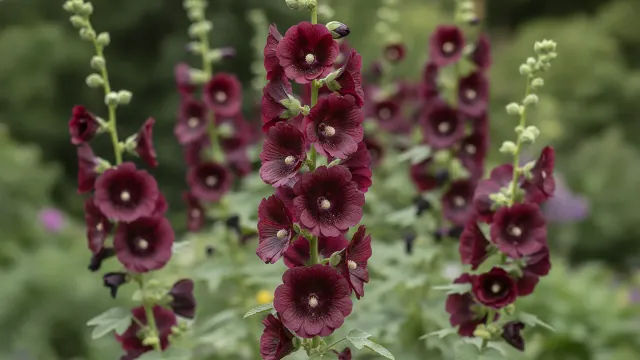
Alcea rosea 'Nigra'
Tall cottage spires of the deepest chocolate-maroon, almost black against a pale wall.
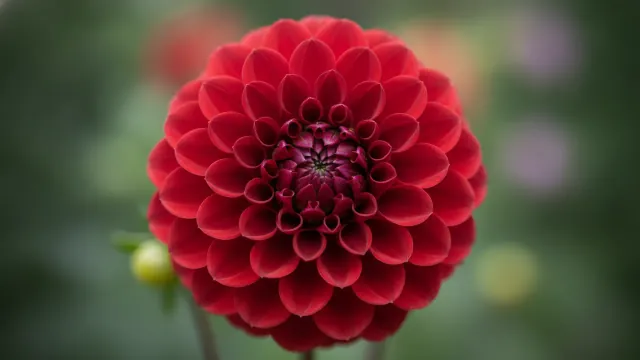
Dahlia 'Arabian Night'
Velvety deep-burgundy blooms from midsummer to frost, rich enough to read as black in shade.
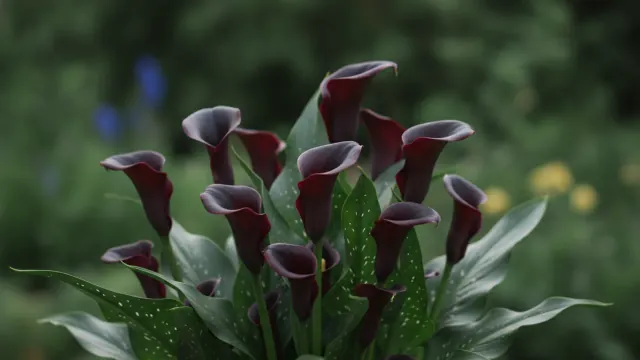
Zantedeschia 'Schwarzwalder'
Sculptural, near-black trumpets of extraordinary elegance for a pot or a border edge.
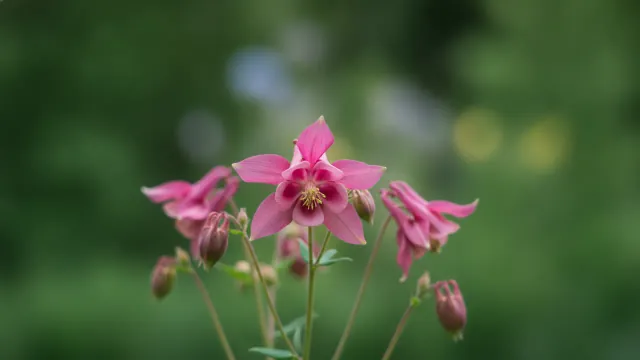
Aquilegia vulgaris 'Black Barlow'
Fully double, deep plum-black pompoms nodding on tall stems in late spring shade.
Dark, dramatic foliage
Dark leaves do the heavy lifting in a moody scheme, holding their color all season where flowers come and go.
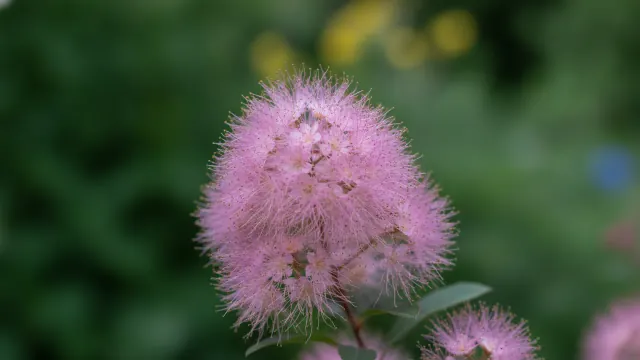
Cotinus coggygria 'NCCO1'
Near-black rounded leaves on a compact shrub, the darkest foliage you can grow and a perfect anchor.
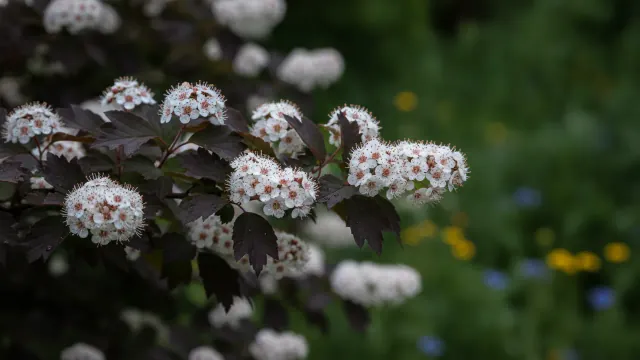
Physocarpus opulifolius 'Monlo'
Deep burgundy-black leaves on a tough, easy shrub, the classic dark foil for hot or pink flowers.
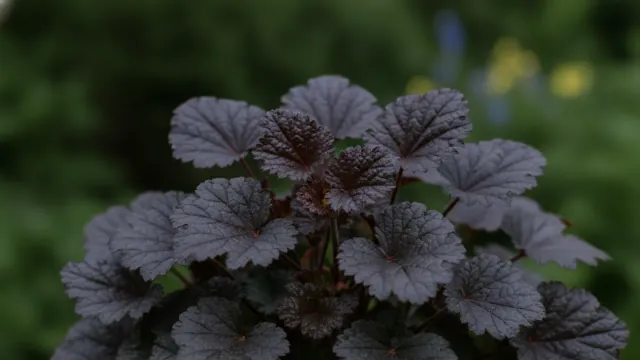
Heuchera 'Obsidian'
Glossy, almost-black ruffled leaves that hold their color all season in part shade.
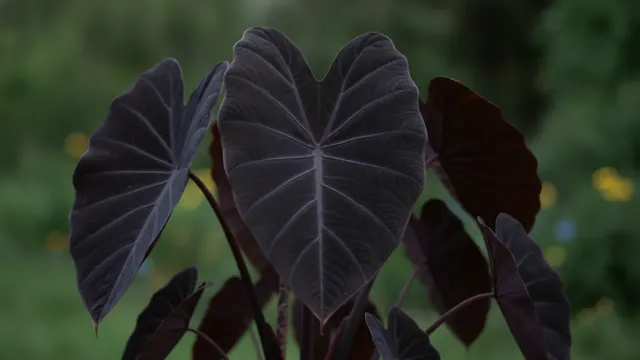
Colocasia esculenta 'Black Magic'
Enormous, dusky near-black leaves for instant tropical drama in a pot or a bed.
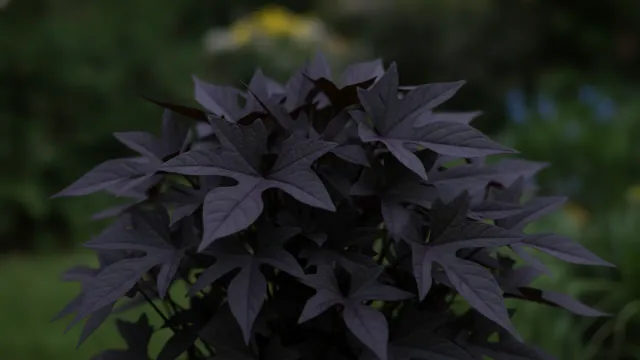
Ipomoea batatas 'Blackie'
Trailing near-black leaves that pour over the edge of a pot and set off everything around them.
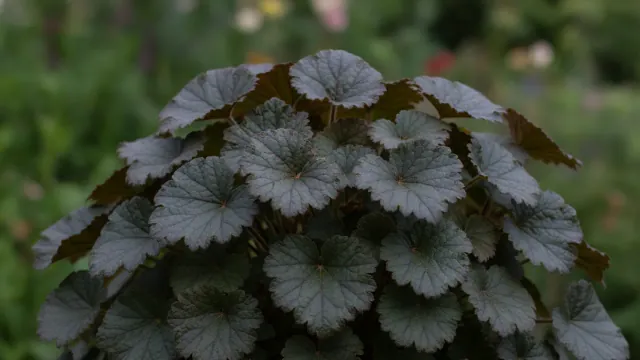
Heuchera 'Palace Purple'
Bronze-purple maple-shaped leaves, an easy and reliable dark mound for the front of a border.
Deep, saturated jewel tones
Pair the blacks with rich, saturated color, deep purple, blood red, royal violet, and the whole scheme glows like a jewel box.
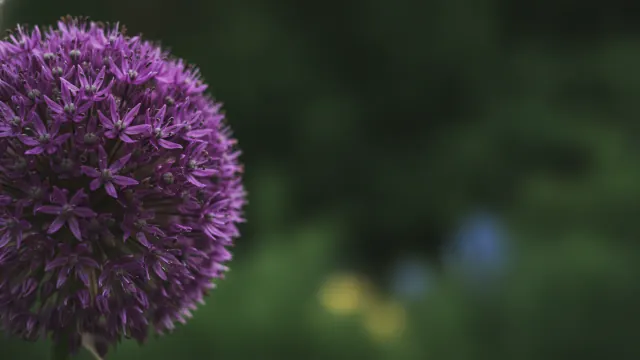
Allium 'Globemaster'
Giant deep-violet spheres on tall stems in late spring, dramatic and sculptural.
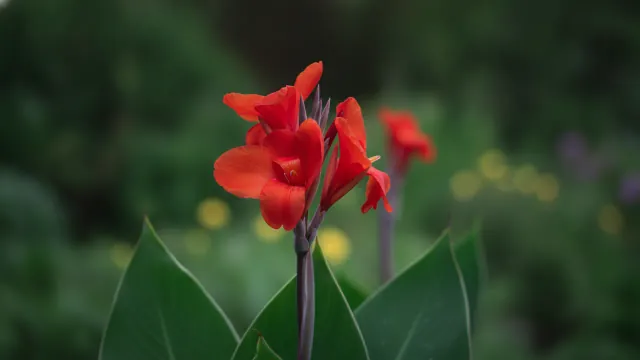
Canna 'Australia'
Glossy burgundy-black leaves and fiery scarlet flowers, pure tropical drama for a hot, sunny spot.
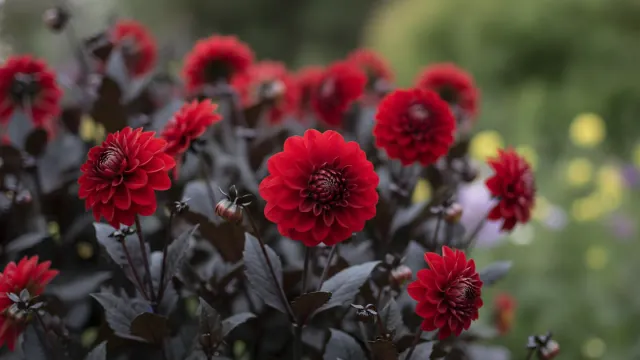
Dahlia 'Bishop of Llandaff'
Scarlet flowers blazing against near-black foliage, one of the most dramatic plants you can grow.
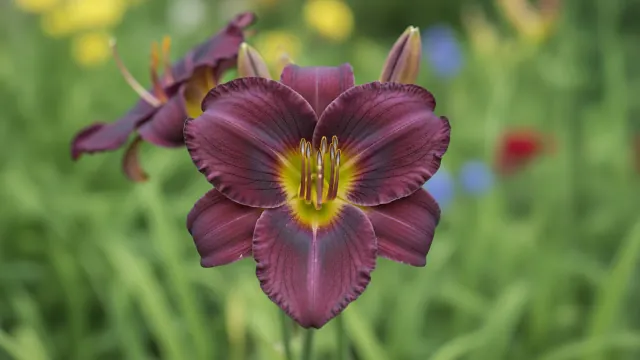
Hemerocallis 'Bela Lugosi'
Large, deep grape-purple flowers with a green throat, tough and reliable in full sun.
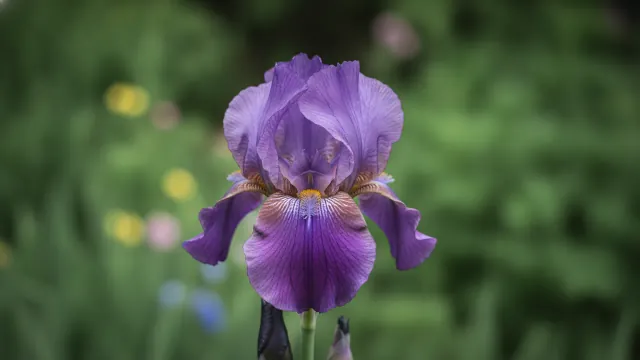
Iris germanica
Bearded iris in the darkest violet, with ruffled falls and a sweet scent in late spring.
Dark needs light behind it
Dark colors absorb light, so on their own they can read as a hole in the border. Place them where the sun backlights them, or against silver, chartreuse, or white foliage, and pair each near-black with one bright contrast, a shot of chartreuse, orange, or pure white, and they will glow instead of vanishing.
Are there really black flowers?
Not quite. The darkest flowers, like Queen of Night tulips or black hollyhocks, are really deep, saturated purples and maroons that read as black, especially in low light.
What plants have black or dark leaves?
Smokebush 'Winecraft Black', dark ninebark, black elephant ear, 'Blackie' sweet potato vine, and coral bells like 'Obsidian' all have near-black or deep burgundy foliage.
How do I use dark colors in the garden?
Place dark plants where light backlights them or against silver, chartreuse, or white, and pair each one with a bright contrast so it glows rather than reading as a gap in the planting.
Design a garden with these plants
Open BloomsEye Studio with this guide's plants ready to drop onto a plan, then watch the whole bed bloom across the year. New to it? See what the free garden planner does.