
Drought-tolerant
Drought-Tolerant Plants for a Water-Wise Garden
Less watering, more color. These tough plants thrive in hot, dry, sunny spots once they settle in.
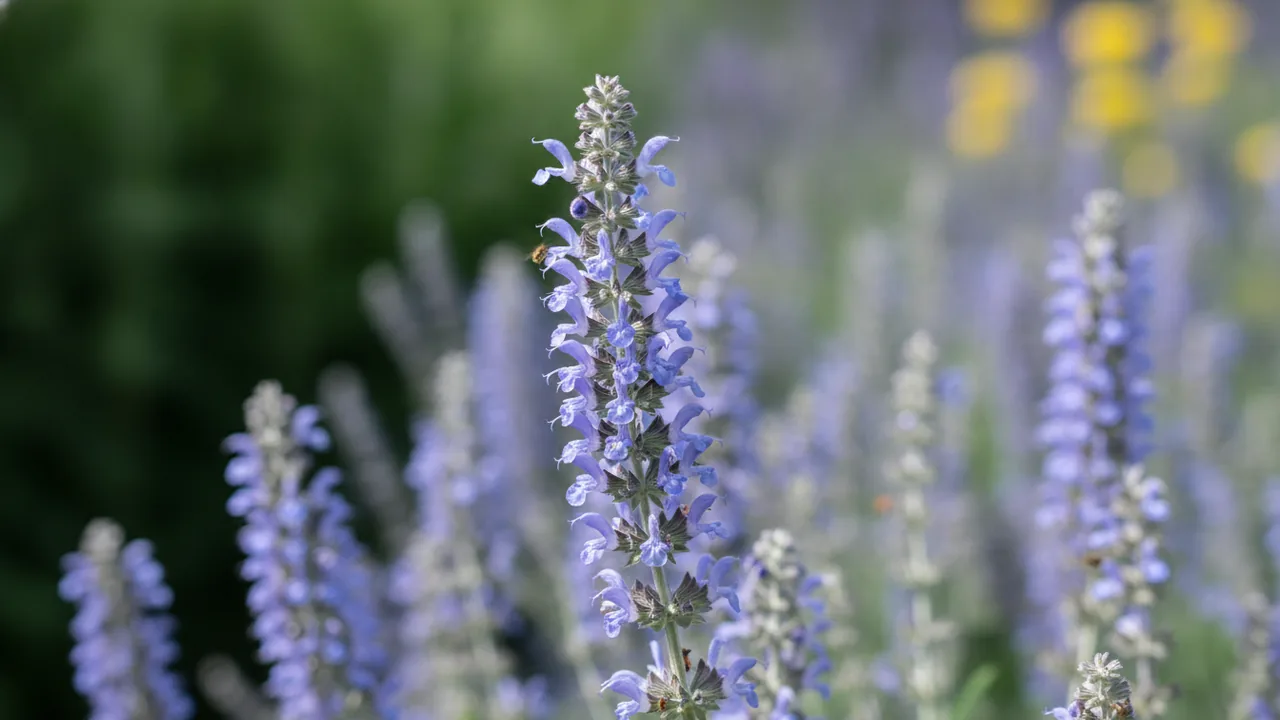
Watering less is good for the water bill, good for the planet, and honestly good for the plants, since most garden plants are killed by too much water rather than too little. A water-wise garden leans on plants that are built for dry conditions, so a hot week without rain is no emergency.
The secret is matching the plant to the spot and getting the drainage right. Most drought-tolerant plants want full sun and soil that does not stay soggy. Give them that, water them well for their first season, and after that they largely fend for themselves. Start with the full list of drought-tolerant plants and full-sun plants.
Drought-tolerant still needs water at first
Even the toughest plant needs regular water through its first season while the roots reach down. After that, it can ride out dry spells on its own. Water deeply and less often to train roots to grow deep.
Sun-loving perennials that sail through dry spells
These are the backbone of a water-wise bed: long-blooming, heat-proof, and happiest when you mostly leave them alone.
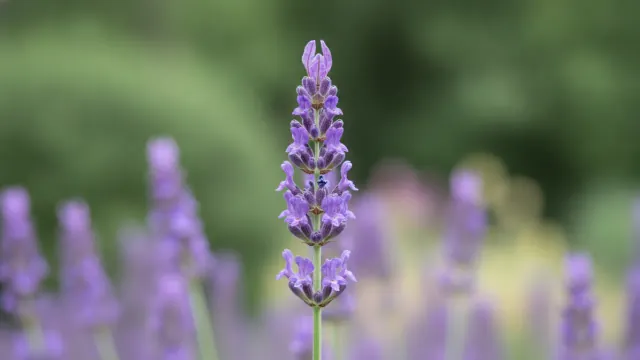
Lavandula
Fragrant purple spikes on silver foliage. Loves heat, sun, and sharp drainage, and hates wet feet.
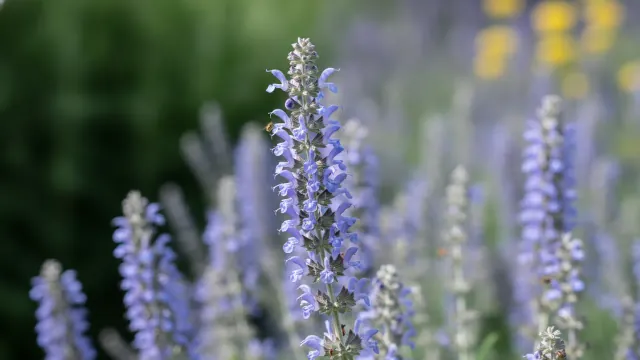
Salvia yangii
An airy violet-blue haze on aromatic silver stems that thrives in the hottest, driest spots.
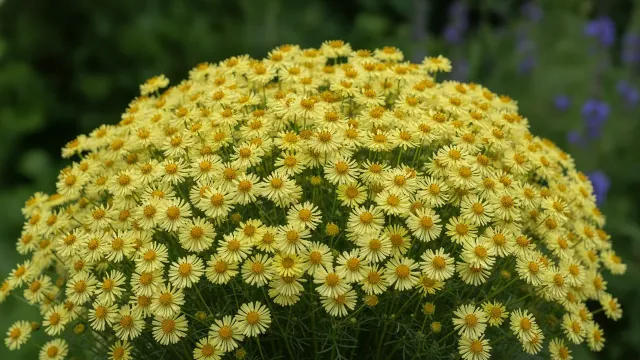
Coreopsis verticillata 'Moonbeam'
A cloud of pale-yellow daisies for months, drought-proof and impossible to overdo.
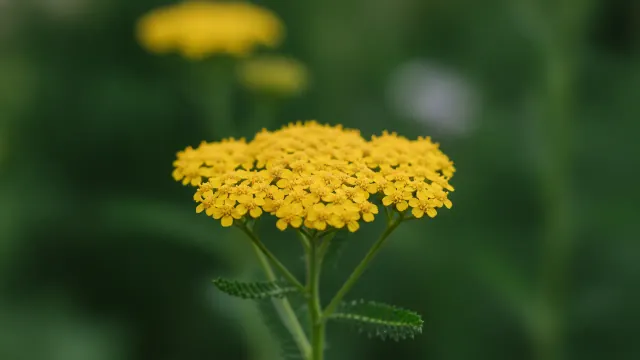
Achillea
Flat flower plates in many shades on ferny foliage, tough as nails in poor, dry soil.
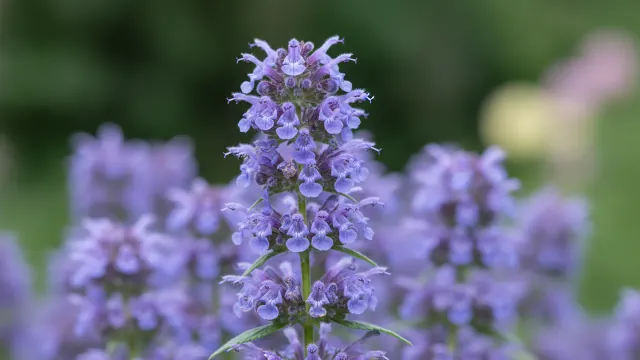
Nepeta
A long haze of lavender-blue flowers over aromatic leaves, unbothered by heat or drought.
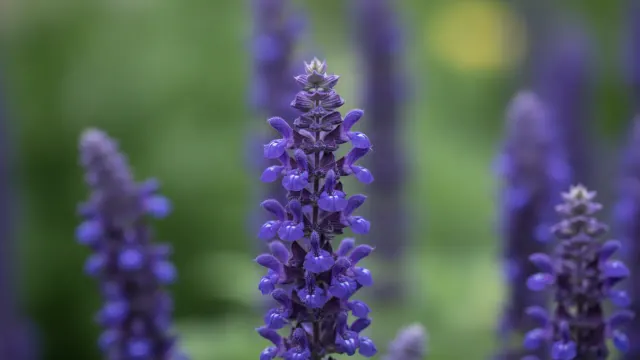
Salvia nemorosa 'Mainacht'
Deep violet spikes that rebloom when sheared, perfectly at home in a dry, sunny border.
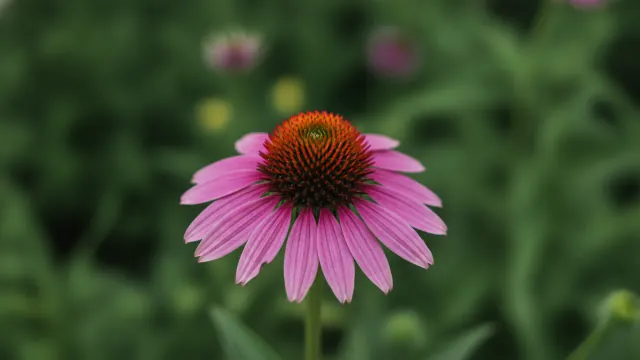
Echinacea purpurea
Big daisy heads on a deep-rooted native that handles drought and feeds pollinators.
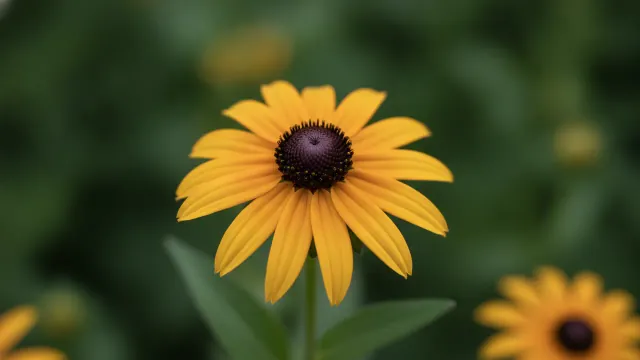
Rudbeckia
Golden, dependable, and long-blooming, with little need for water once settled.
Tough plants with standout foliage
Silver, fuzzy, or feathery leaves are nature's signal for drought tolerance. These earn their place on texture alone, then flower as a bonus.
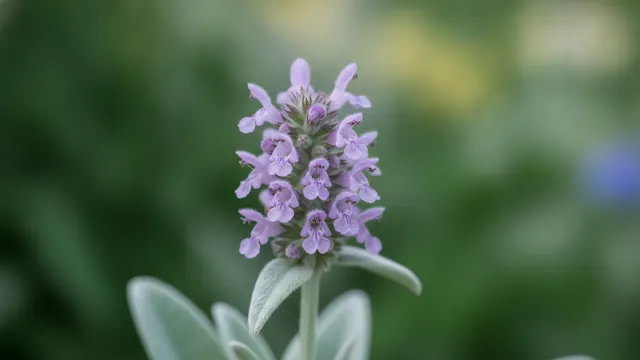
Stachys byzantina
Soft, woolly silver leaves that shrug off heat and drought and make a great front-of-border edge.
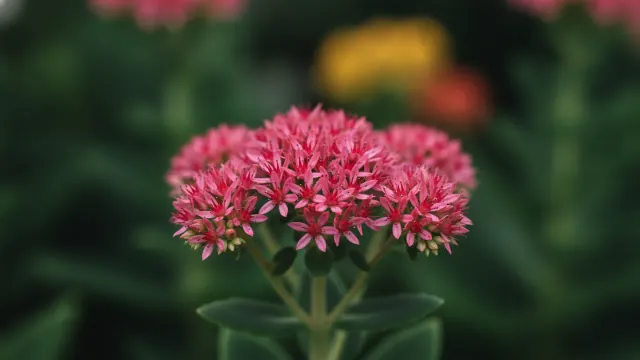
Hylotelephium 'Autumn Fire'
Succulent foliage and late flower heads that store their own water and feed bees in fall.
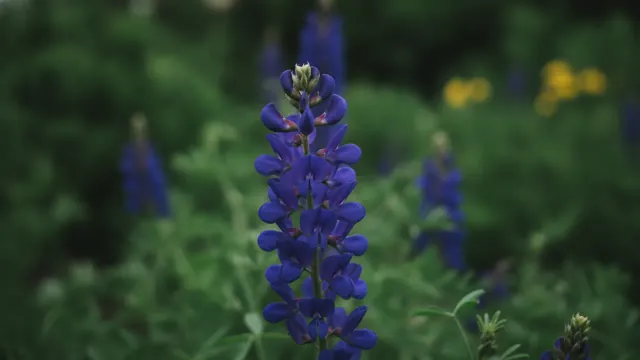
Baptisia
A long-lived native with blue-green foliage and tall spires, deeply drought-tolerant once established.
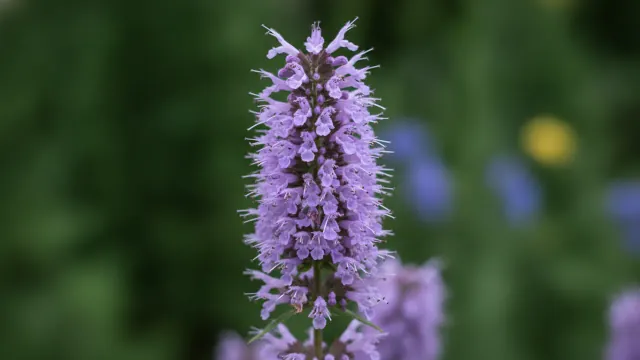
Agastache
Aromatic spikes of soft violet flowers that bees and hummingbirds love, thriving in lean, dry soil.
How to set them up to thrive
- Give them full sun. Most drought-tolerant plants want at least six hours of direct sun.
- Fix the drainage. If your soil is heavy clay, work in grit or compost so water does not pool around the roots.
- Water deeply but infrequently for the first season, which trains roots to grow down toward moisture.
- Mulch to hold what moisture there is and keep weeds down.
- Group plants with similar water needs together so you are never overwatering one to keep another alive.
What does drought-tolerant actually mean?
It means a plant can survive and look good through dry spells once it is established, usually after its first full season. It does not mean the plant never needs water, especially when newly planted.
What are the best drought-tolerant plants for full sun?
Lavender, russian sage, catmint, yarrow, coreopsis, and salvia are all reliable. They want sun and good drainage, and they reward you with long bloom and very little watering.
Do drought-tolerant plants still need watering?
Yes, regularly for the first season while roots establish. After that, most can go long stretches without water. Watering deeply and less often helps them build the deep roots that make them tough.
Design a garden with these plants
Open BloomsEye Studio with this guide's plants ready to drop onto a plan, then watch the whole bed bloom across the year. New to it? See what the free garden planner does.