
Fragrant
Fragrant Flowers and Shrubs for a Garden That Smells Wonderful
A garden you can smell as well as see. The flowers and foliage worth planting for scent, and where to put them.
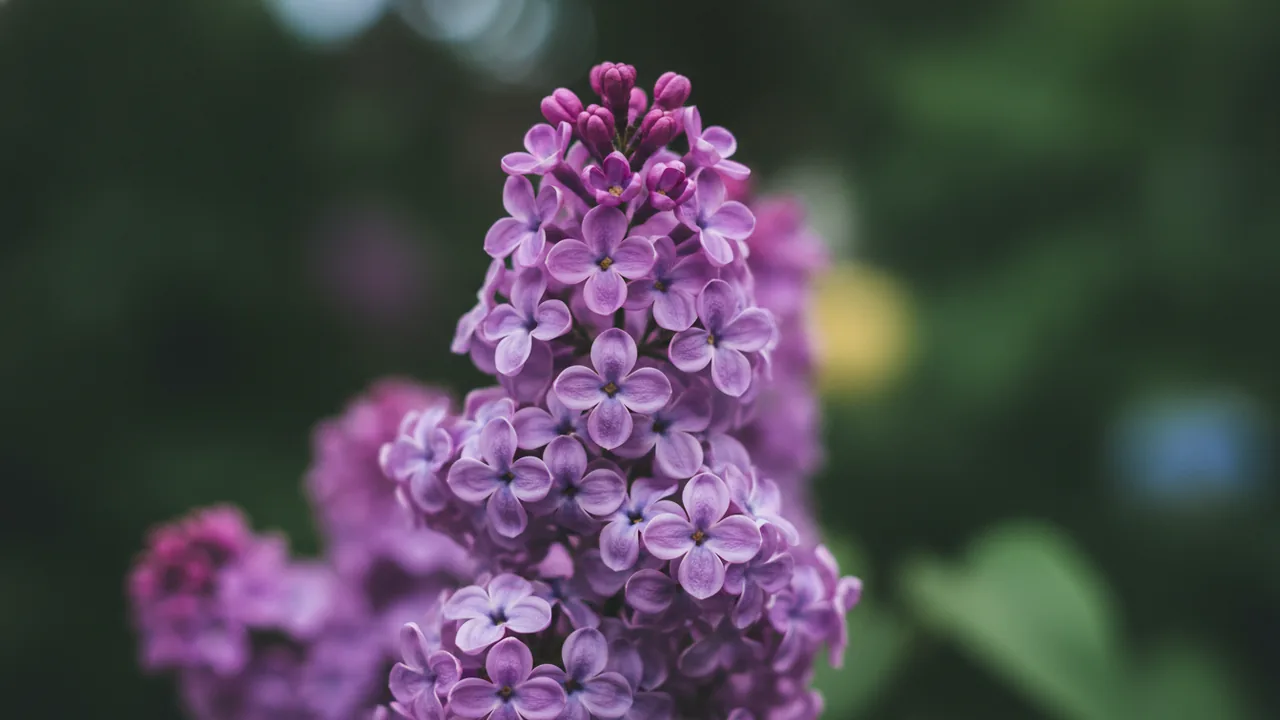
Scent is the part of a garden people remember. A single fragrant shrub by a doorway or a drift of something sweet beside a bench can define the whole space, and it costs no more than planting something with no smell at all. The key is choosing for fragrance on purpose, then placing it where you will actually walk past it.
Fragrance comes from two places: the flowers, and the foliage you brush against. The best scented gardens use both. Browse the full list of fragrant plants to build from.
Flowers worth planting for scent alone
These earn their place on perfume. Several are strongest in the evening, which is exactly when you tend to sit outside.
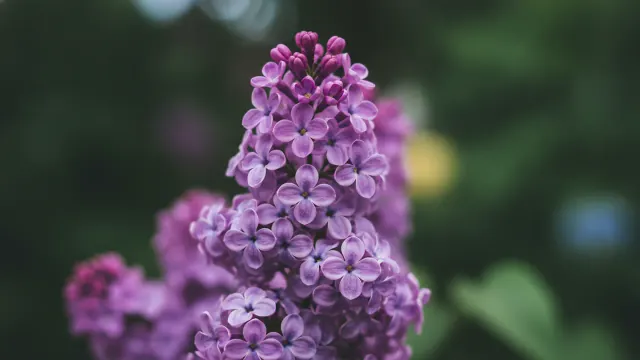
Syringa vulgaris
The classic scent of late spring, heady and unmistakable, on a big, easy shrub.
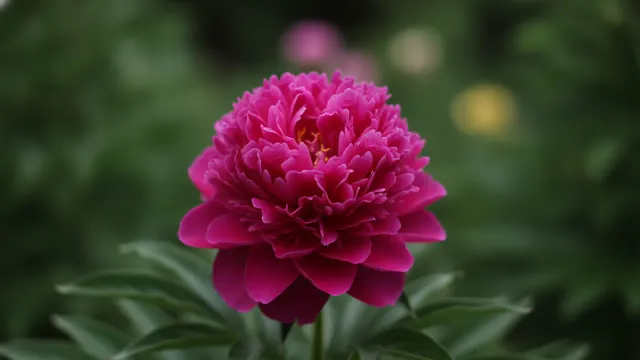
Paeonia
Huge, often richly fragrant flowers from a plant that can outlive the gardener.
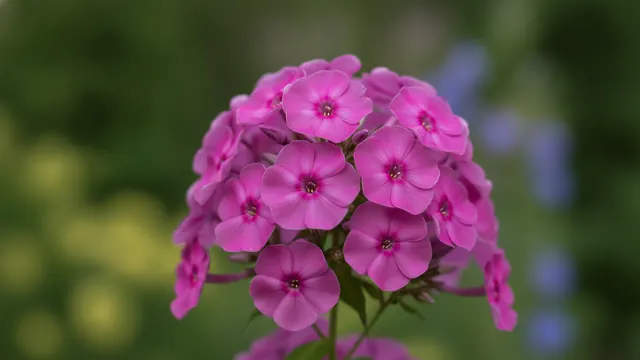
Phlox paniculata
Sweetly scented flower heads that carry their perfume across the summer border.
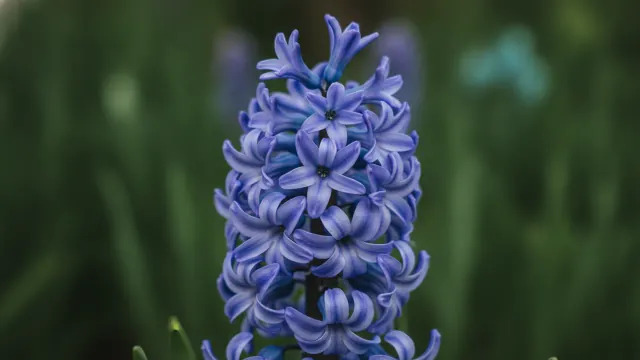
Hyacinthus orientalis
Few spring flowers are as powerfully fragrant, perfect in pots by the door.
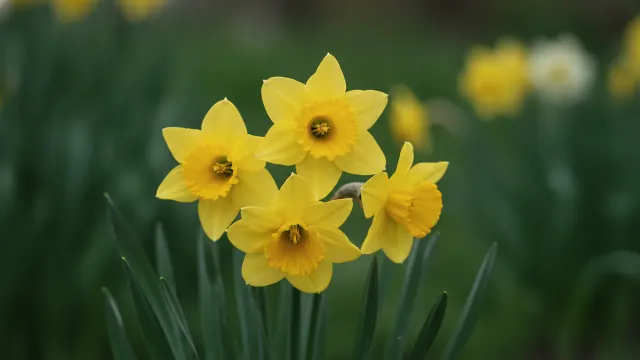
Narcissus
Many varieties are softly scented as well as cheerful, and deer leave them alone.
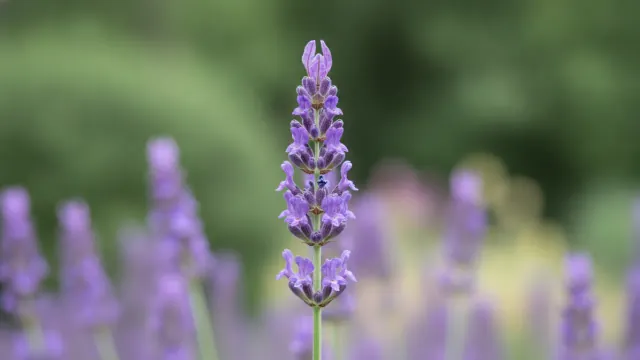
Aromatic foliage you brush past
These do not need to be in flower to smell wonderful. Plant them along a path or at the front of a border where you will catch them as you go by.
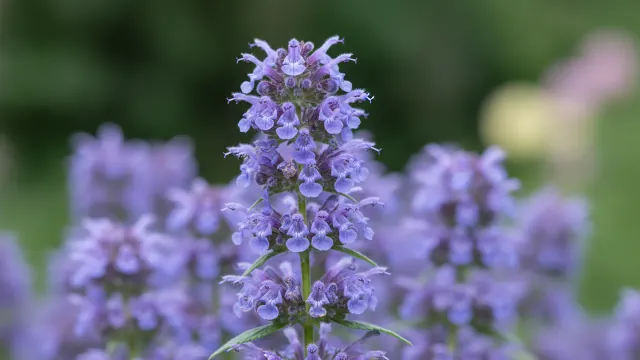
Nepeta
Aromatic gray-green leaves and a long haze of lavender-blue flowers bees adore.
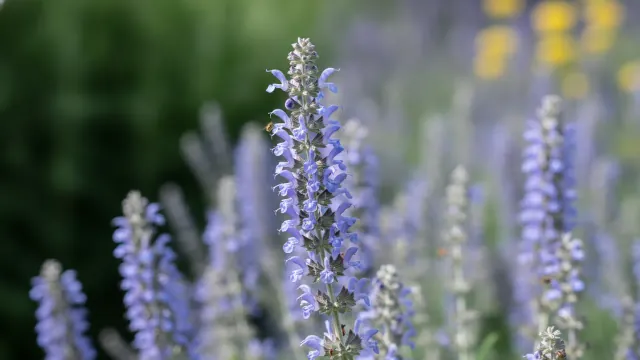
Salvia yangii
Silver stems with a clean, sage-like scent that thrives in hot, dry spots.
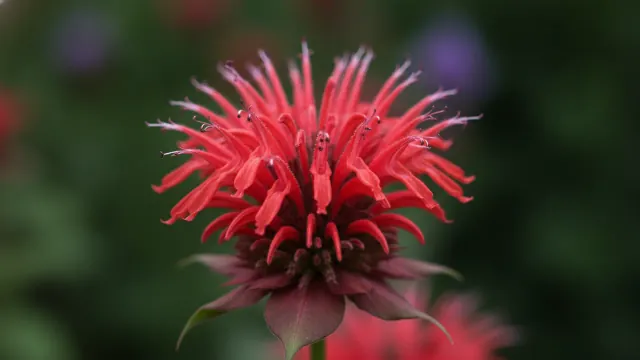
Monarda
Minty, fragrant foliage, traditionally used for tea, under shaggy nectar-rich flowers.
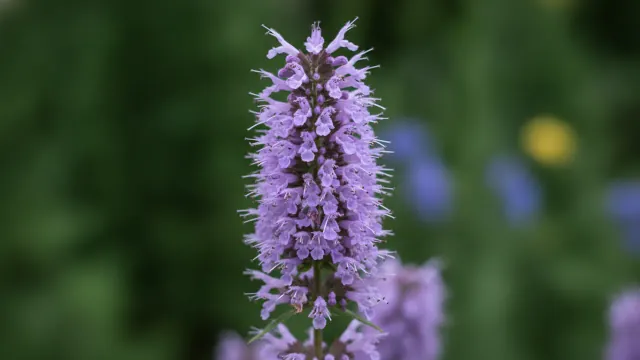
Agastache
Anise-scented leaves and soft violet flower spikes that bees and hummingbirds love.
Plant fragrance where you live
Scent is wasted at the back of a border. Put fragrant plants beside paths, doorways, windows you open, and seating, so you meet the perfume every day rather than having to go looking for it.
What are the most fragrant flowers to grow?
Lilac, hyacinth, peony, and many phlox and daffodils are among the most strongly scented. Lavender offers fragrance from both its flowers and its foliage.
Where should I plant fragrant plants?
Near where you spend time: by doors, paths, windows, and seating. Many flowers, especially evening-scented ones, are only enjoyed if you are close enough to catch them.
Which plants have scented leaves rather than flowers?
Lavender, catmint, russian sage, bee balm, and agastache all carry their fragrance in the foliage, releasing it when you brush against or crush a leaf.
Design a garden with these plants
Open BloomsEye Studio with this guide's plants ready to drop onto a plan, then watch the whole bed bloom across the year. New to it? See what the free garden planner does.