
Native
Native Plants: A Garden That Works With Nature
The easiest, most alive garden you can plant. Native flowers and grasses that feed local wildlife and mostly look after themselves.
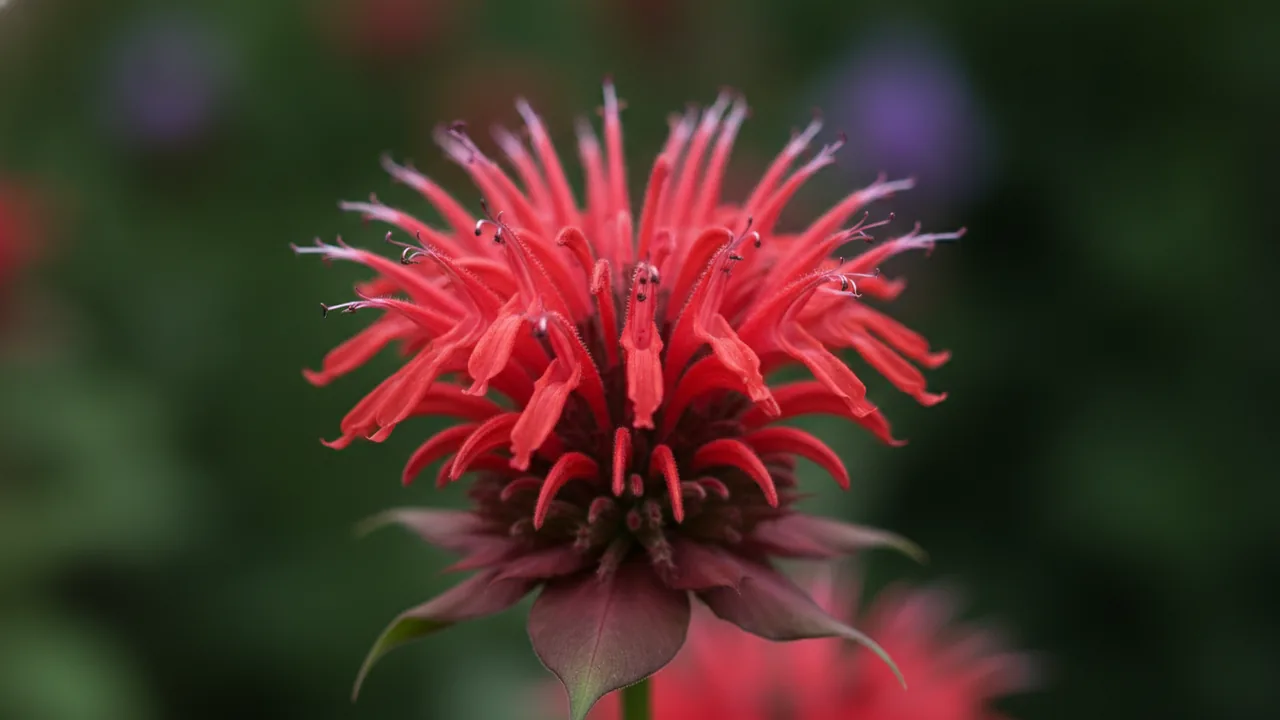
Native plants are the ones that grew in your region long before any garden did. Because they evolved with the local climate, soil, and wildlife, they tend to need less water, less feeding, and less fussing than exotic plants, and they give far more back: native bees, butterflies, and birds depend on them.
If you want a garden that feels alive and looks after itself, natives are the easiest way there. Browse the full list of native plants and pollinator-friendly plants to build from.
Native is local
What counts as native depends on where you live. The plants below are widely native across much of North America, but it is always worth checking which ones are truly native to your specific region before you plant. Each state, province and territory now has its own page: native plants by state and province lists the species recorded growing wild there, checked against Kew and the USDA, and the garden forms of them apart.
Native flowers that anchor the garden
These are the workhorses: tough, long-blooming, and covered in pollinators all summer. A few of each gives you a garden that hums.
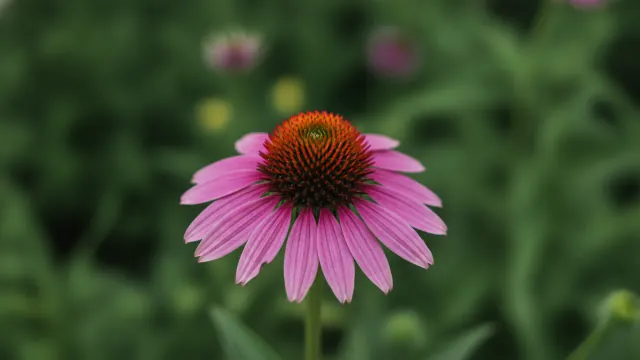
Echinacea purpurea
The classic prairie native: big daisy heads for pollinators, then seed heads that feed finches.
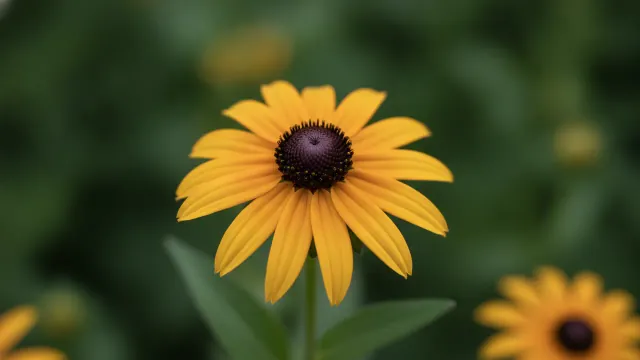
Rudbeckia
Golden and dependable, blooming for months and seeding gently into cheerful drifts.
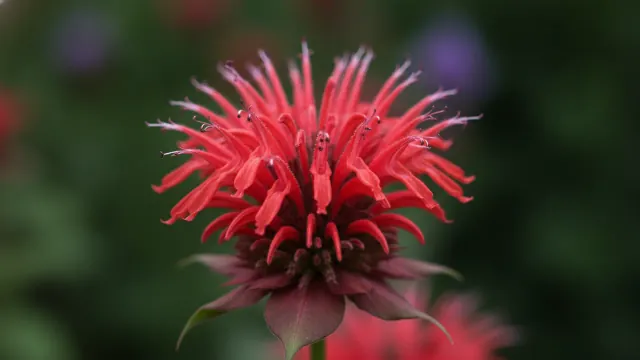
Monarda
Shaggy, aromatic flowers that bees, butterflies, and hummingbirds all flock to.
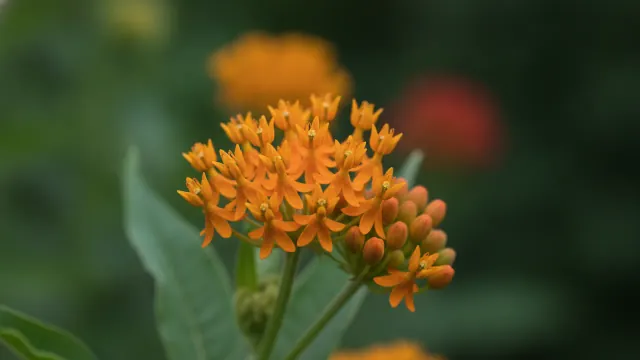
Asclepias tuberosa
A milkweed with brilliant orange flowers, essential food for Monarch caterpillars.
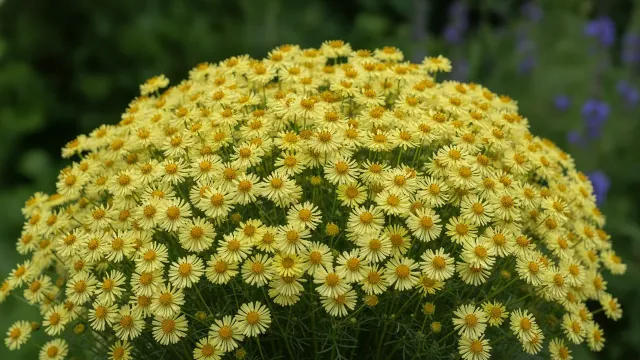
Coreopsis verticillata 'Moonbeam'
An airy cultivar of threadleaf coreopsis, with months of pale-yellow daisies that pollinators work tirelessly.
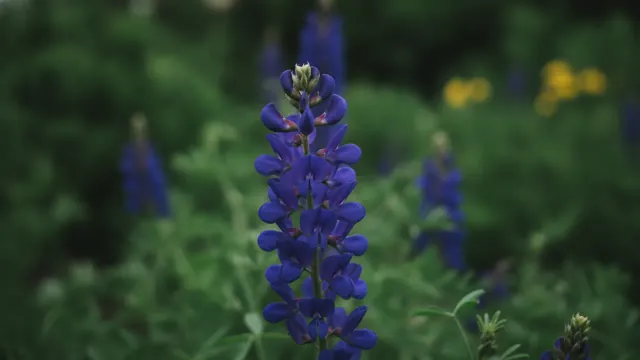
Baptisia
A long-lived native with blue-purple spires and handsome foliage, tough and trouble-free.
For late-season color and pollinators
Asters and goldenrod are the unsung heroes of the native garden, feeding pollinators heading into winter when little else is open.
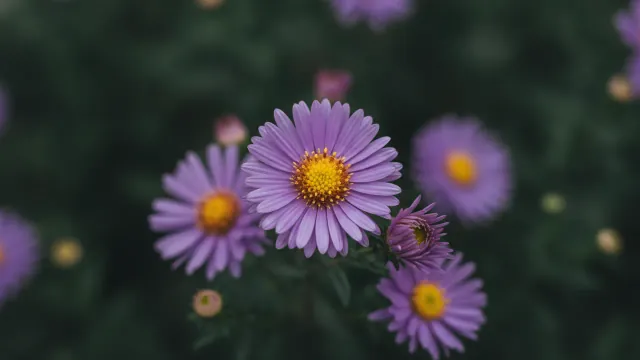
Symphyotrichum novae-angliae 'Purple Dome'
Clouds of purple daisies that are one of the most important fall nectar sources there is.
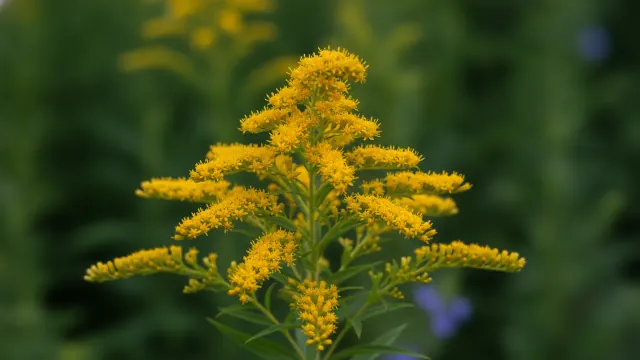
Solidago
Sprays of gold that pair with asters and feed migrating insects, and no, it does not cause hay fever.
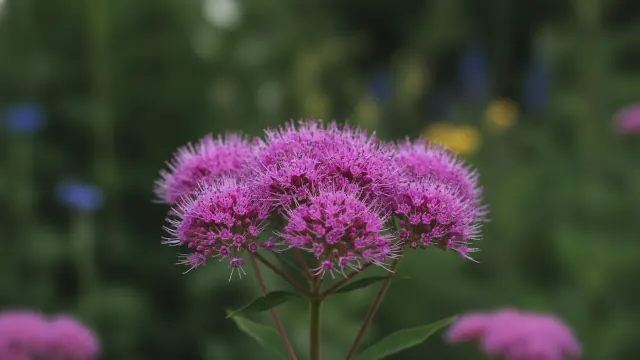
Eutrochium
Tall mauve flower heads at the back of the border that butterflies cannot resist.
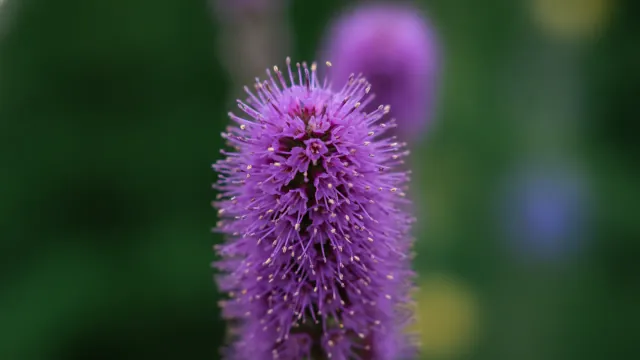
Liatris
Purple bottlebrush spikes that bloom top to bottom and draw clouds of butterflies.
Native grasses for movement and structure
Grasses give a native planting its texture and movement, catch the light beautifully, and stand through winter as shelter and seed for wildlife.
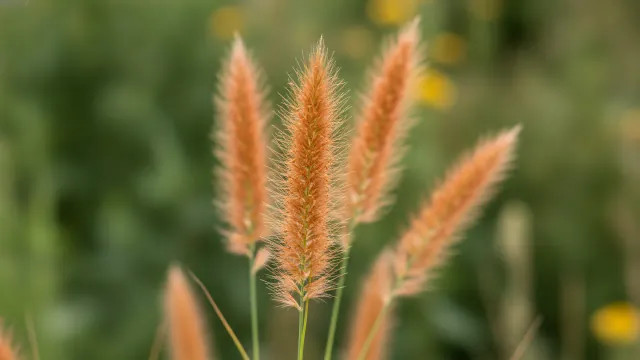
Schizachyrium scoparium
Blue-green blades that turn fiery copper in fall, upright and tidy in any lean, sunny spot.
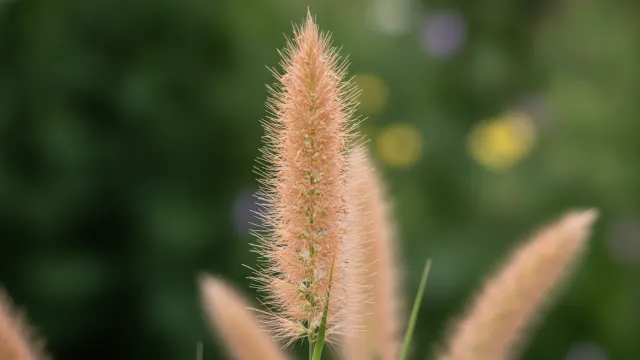
Panicum virgatum
An airy, vertical grass with a haze of seed heads that glows in low autumn light.
Spring natives for shade and woodland edges
Not every native wants full sun. These light up the cooler, shadier parts of the garden in spring.
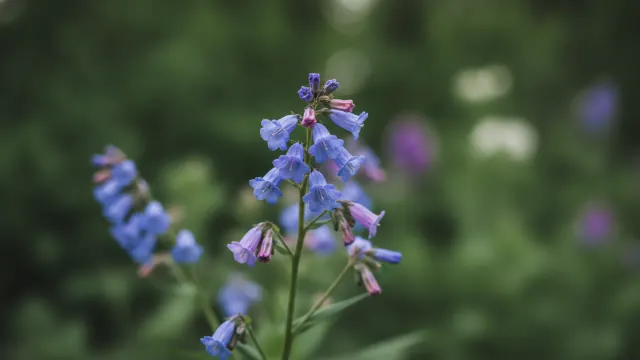
Mertensia virginica
Clouds of sky-blue bells in dappled shade, then politely vanishes for summer.
Why should I grow native plants?
They are adapted to your local conditions, so they need less water and care, and they support far more local wildlife than exotic plants. Native bees, butterflies, and birds often depend on them directly.
Are native plants low-maintenance?
Generally yes, once they are in the right spot, because they are built for your climate and soil. The key is choosing plants native to your specific region and matching them to the sun and moisture they prefer.
What are the best native plants for pollinators?
Coneflower, bee balm, butterfly weed, and the fall asters and goldenrod are among the most valuable. Together they keep nectar and pollen available from early summer right through to frost.
Design a garden with these plants
Open BloomsEye Studio with this guide's plants ready to drop onto a plan, then watch the whole bed bloom across the year. New to it? See what the free garden planner does.