
Practical
Plants for a Slope: Hold the Soil and Skip the Mowing
That bank you cannot mow can be the easiest part of the garden. Plants that hold the soil and look after themselves.

A slope is a problem only if you try to mow it or leave it bare. Bare soil on a bank washes away in every storm, and mowing a hillside is dangerous and miserable. The answer is to cover it with deep-rooted, spreading plants that knit the soil together, drink up the runoff, and turn an awkward bank into a feature you never have to maintain.
The trick is to match the plant to the slope: spreading evergreens and groundcovers to armor the surface, deep-rooted grasses and shrubs to anchor it. For more carpeting options, see our ground cover guide.
Spreading evergreens that armor a bank
These low, spreading conifers blanket a slope in tough, drought-proof green that holds the soil year-round.
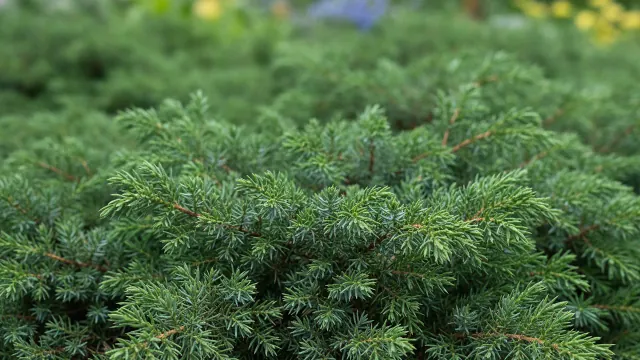
Juniperus horizontalis 'Wiltonii'
The ultimate slope plant, a flat silver-blue carpet that roots as it spreads and shrugs off drought.
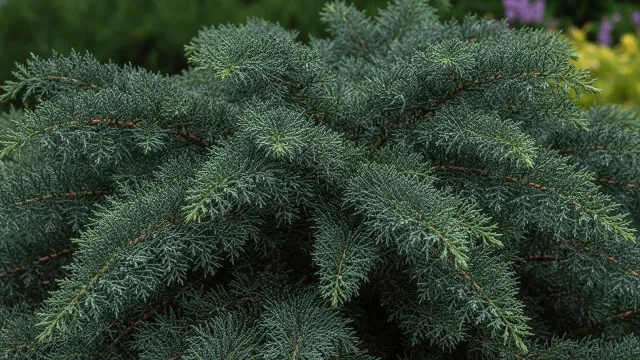
Juniperus conferta 'Blue Pacific'
A vigorous, low, blue-green spreader that quickly covers and stabilizes a sunny bank.

Juniperus chinensis 'Sea Green'
Arching, fountain-like branches in rich green that hold a slope and need no clipping.
Flowering groundcovers that cascade
For color as well as cover, these spread fast and cascade beautifully over the face of a bank.
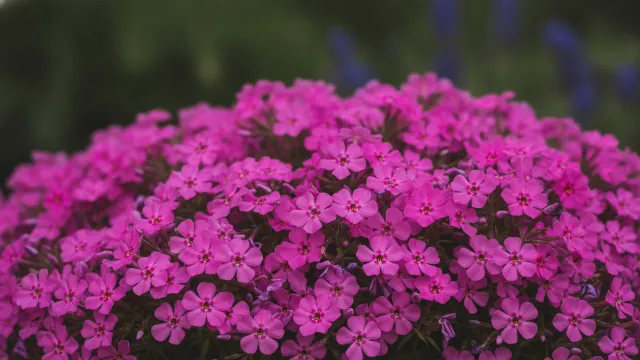
Phlox subulata
A solid sheet of color that pours over a bank each spring, then holds the soil all year.

Geranium 'Rozanne'
Violet-blue flowers for months on a spreading plant that weaves across a slope and smothers weeds.
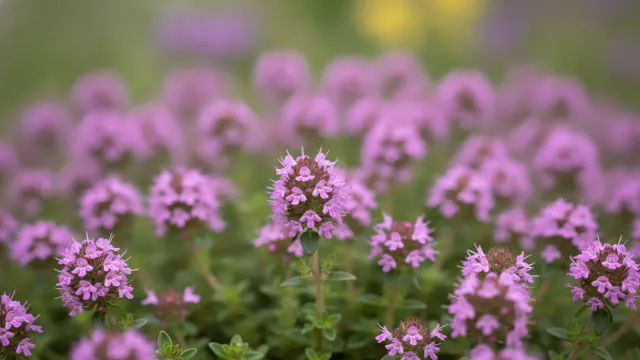
Thymus
A tough, drought-proof mat that handles a hot, dry bank and releases its scent in the sun.
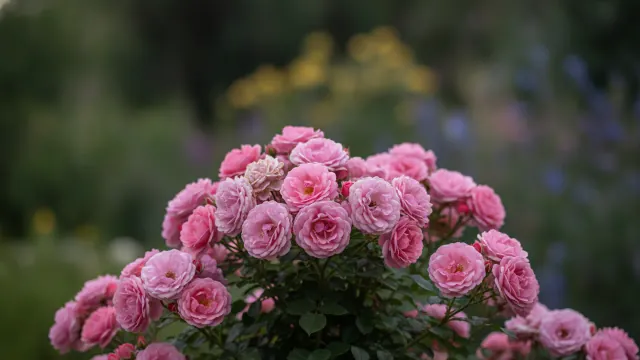
Rosa 'Meijocos'
A low, spreading rose that blankets a slope in flowers from spring to fall with almost no care.

Aubrieta
A spring cushion of purple or white that tumbles down a sunny wall or bank in a sheet of bloom.
Deep-rooted grasses and tough perennials
Deep roots are what truly hold a slope. These grasses and rugged perennials anchor the soil far below the surface.
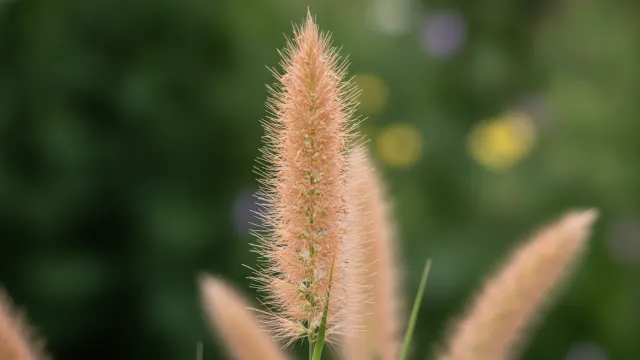
Panicum virgatum
A native grass with roots that plunge meters down, locking a slope in place and standing all winter.
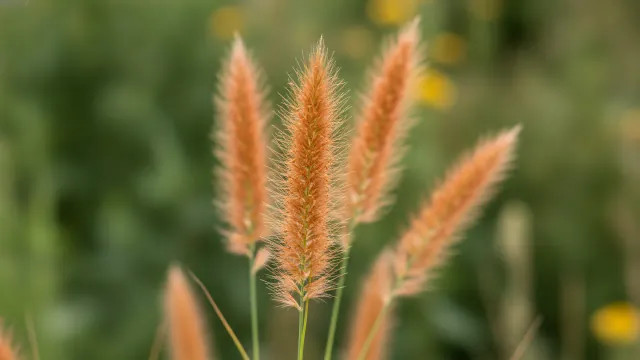
Schizachyrium scoparium
Fine, deep-rooted native grass that holds a dry bank and glows copper through fall and winter.
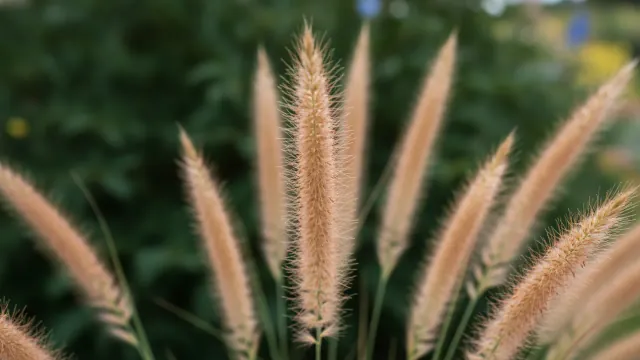
Pennisetum alopecuroides
Arching mounds and fluffy plumes that knit a sunny slope together and soften its face.
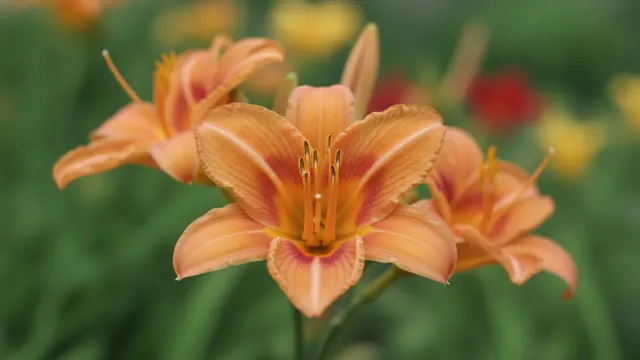
Hemerocallis
Mass-planted on a bank, daylilies form a dense, deep-rooted cover that flowers and chokes out weeds.

Rudbeckia
A vigorous, self-sowing native that colonizes a slope in golden daisies and tough, soil-holding roots.
Shrubs to bind the soil
A few tough, wide-rooted shrubs add height and bind the deeper soil of a larger bank.
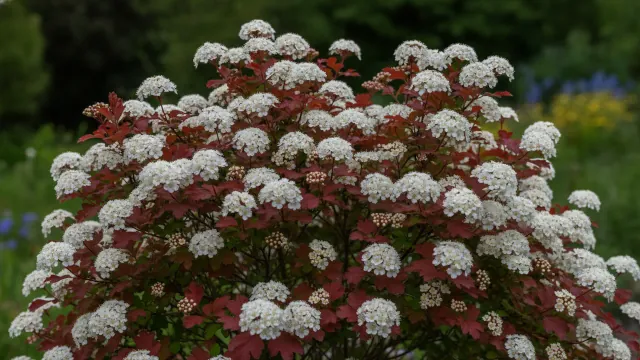
Physocarpus opulifolius
A rugged native shrub with strong roots and colorful foliage that holds a bank and asks for nothing.
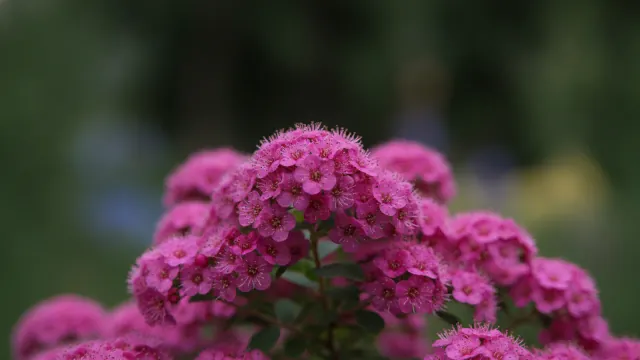
Spiraea japonica 'Anthony Waterer'
A dense, spreading shrub covered in pink all summer that quickly clothes a sunny slope.
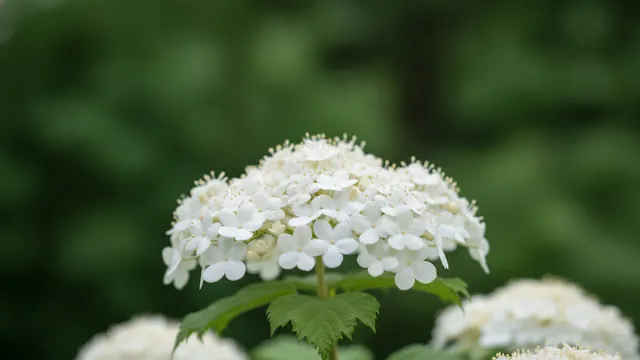
Viburnum
A large, tough shrub for the base or top of a bank, offering flowers, berries, and deep roots.
Plant from the top down, and mulch heavily
Plant a slope in staggered rows starting at the top, setting each plant into a small level pocket with a lip on the downhill side to catch water. Mulch heavily, or peg jute netting over the surface, until roots take hold, and water at the base rather than from above. Once established, deep-rooted spreaders hold the soil through any storm.
What is the best plant to stop erosion on a slope?
Deep-rooted, spreading plants: creeping junipers, ornamental grasses like switchgrass and little bluestem, and fast groundcovers such as creeping phlox and hardy geraniums, which knit the soil together.
What can I plant on a hill instead of grass?
Spreading junipers, flowering groundcovers, ornamental grasses, mass-planted daylilies, and tough shrubs all cover a slope without mowing and hold the soil far better than turf.
How do I plant on a steep bank?
Plant from the top down in staggered rows, set each plant in a small level pocket, mulch heavily or use jute netting to stop washout, and water at the base until roots establish.
Design a garden with these plants
Open BloomsEye Studio with this guide's plants ready to drop onto a plan, then watch the whole bed bloom across the year. New to it? See what the free garden planner does.