
Practical
A Rain Garden: Plants for Wet Spots and Runoff
Turn a soggy problem into the prettiest part of the garden. The best plants for wet ground and runoff.
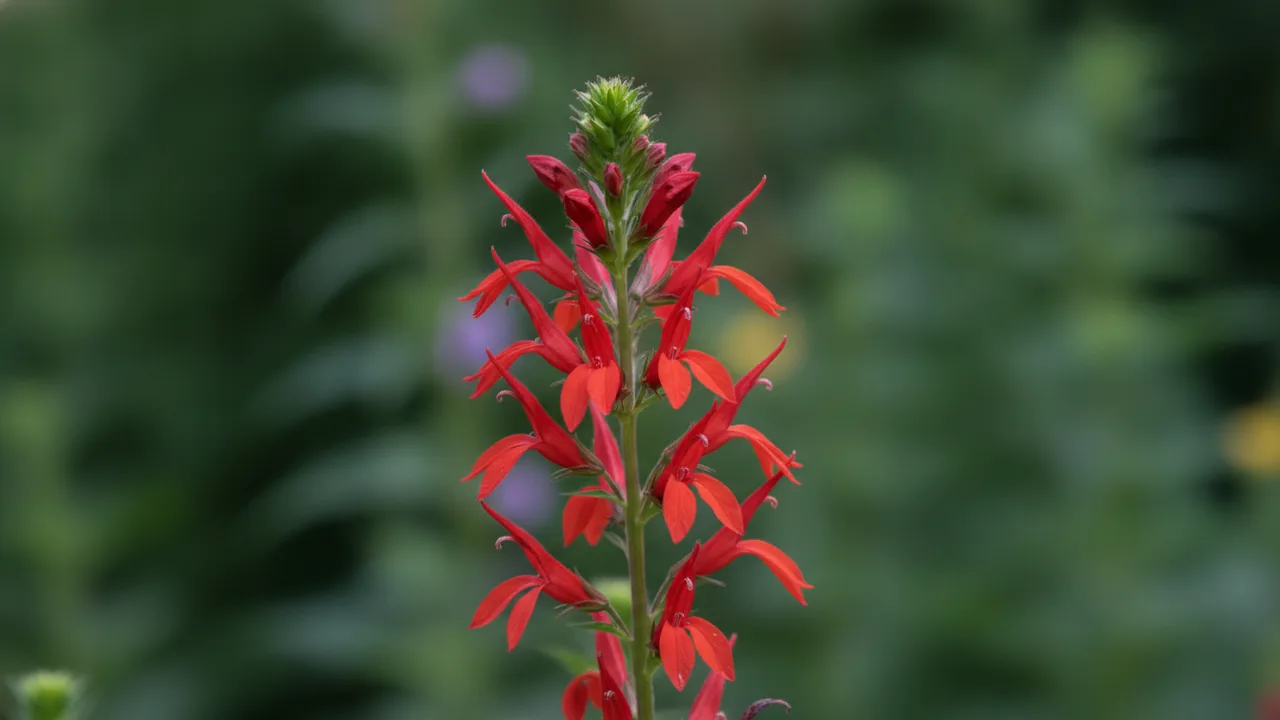
That low, soggy corner where nothing seems to grow, or the spot where the downpipe dumps water after every storm, is not a problem so much as an opportunity. A rain garden is a shallow planted basin that catches runoff from a roof or driveway and lets it soak slowly into the ground, and the plants that thrive there happen to be some of the most beautiful natives you can grow.
A rain garden filters pollutants, recharges groundwater, eases the load on storm drains, and turns a wet nuisance into a haven for butterflies and birds. The key is choosing plants that genuinely enjoy wet feet. Most of the best are native plants, perfectly adapted to local rainfall.
Flowers for wet ground in sun
These sun-lovers thrive in damp and even periodically flooded soil, and most are magnets for pollinators.
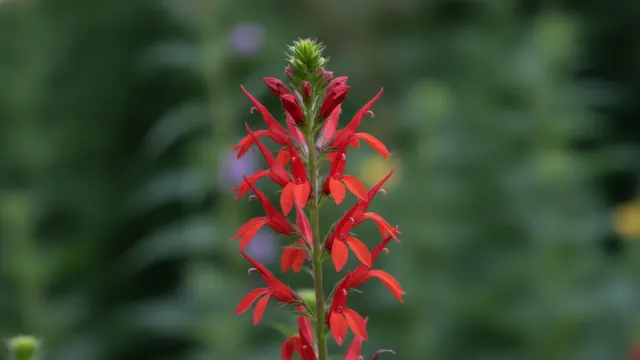
Lobelia cardinalis
Spires of intense, true red that hummingbirds cannot resist, happiest in constantly moist soil.
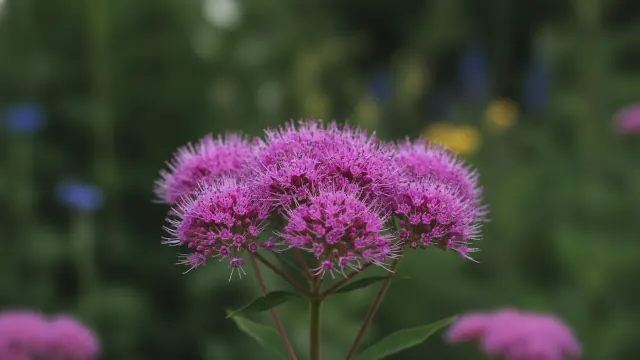
Eutrochium
Towering mauve flower heads in late summer that thrive in wet ground and pull in clouds of butterflies.
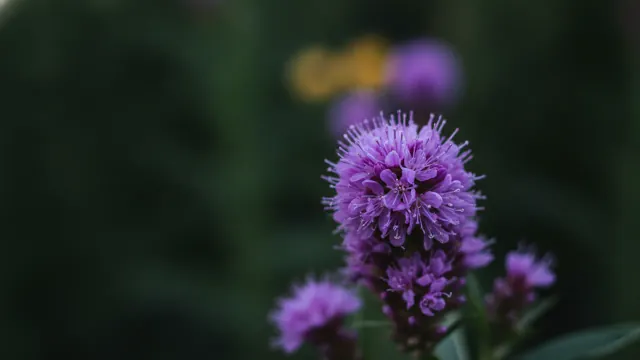
Vernonia
Tall, late-summer clusters of intense violet-purple on a tough native that loves damp meadows.
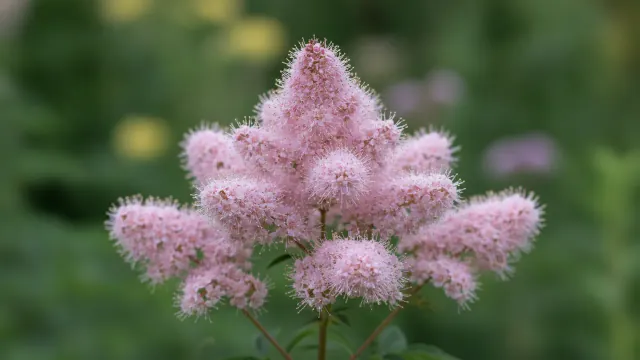
Filipendula rubra
Frothy pink plumes on tall stems, a stately native for reliably moist to wet soil.
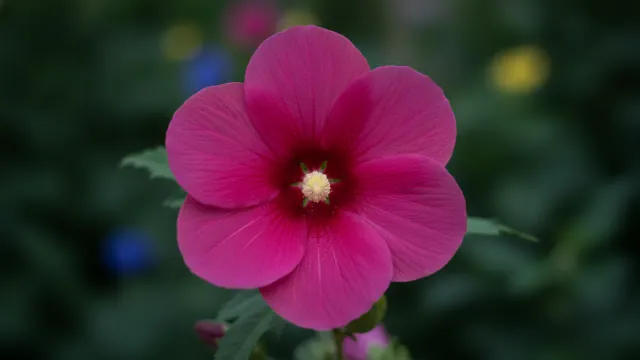
Hibiscus moscheutos
Dinner-plate flowers on a marsh native that genuinely loves having wet feet all summer.
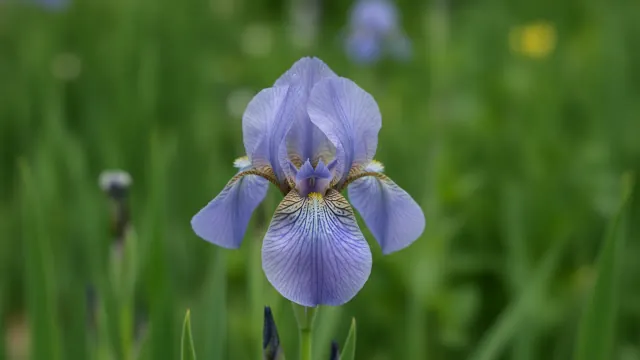
Iris sibirica
Elegant blue-purple flowers and grassy foliage, equally at home in a border or a boggy edge.
For wet shade
Where the wet ground is also shaded, these bring color and bold foliage to a spot most plants refuse.
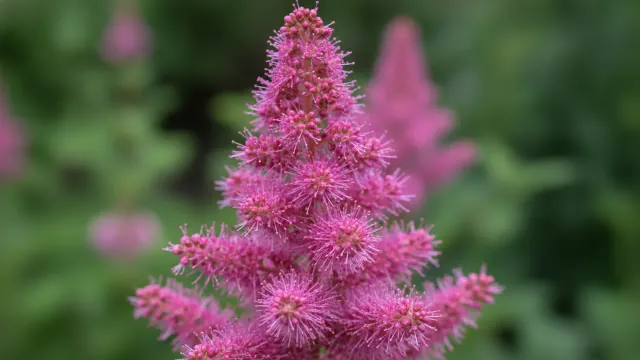
Astilbe
Feathery plumes for damp shade, one of the few showy plants that genuinely likes wet soil.
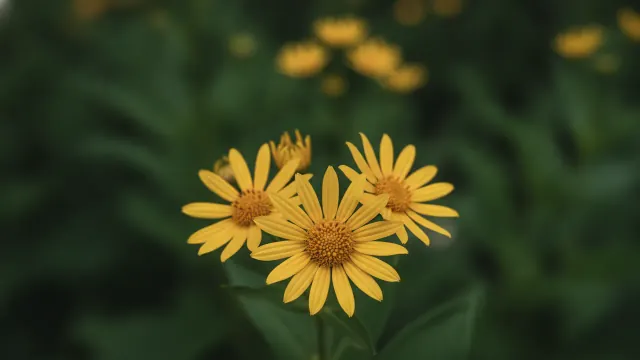
Ligularia
Bold dark leaves and tall yellow spikes for a moist, shady spot, sulking the moment it dries out.
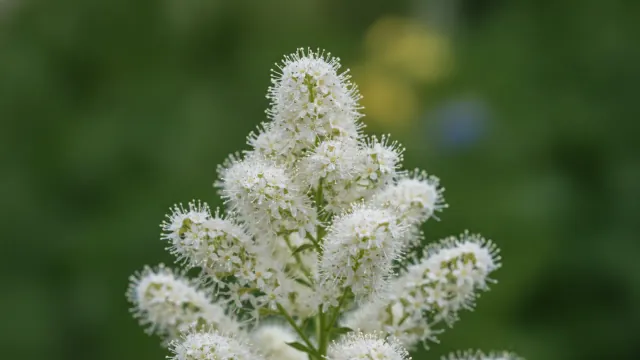
Aruncus dioicus
Great creamy plumes like a giant astilbe, a dramatic native for damp, partly shaded ground.
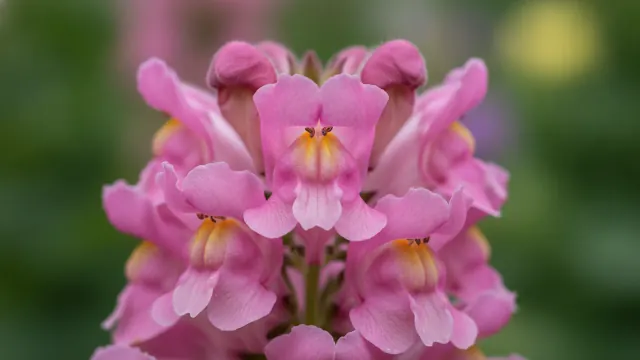
Chelone
Curious pink hooded flowers in early fall on a native that loves wet ground and light shade.
Shrubs and grasses for damp ground
For structure and year-round presence, these woody plants and grasses are perfectly happy in wet soil.
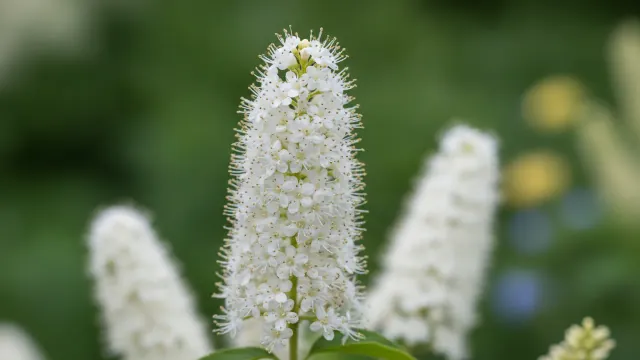
Clethra alnifolia
A native shrub with intensely fragrant white spikes in summer, thriving in damp soil and shade.
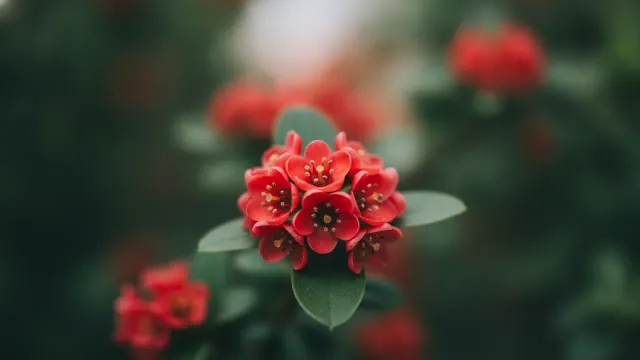
Ilex verticillata
A wet-loving native holly whose bare winter branches blaze with red berries for the birds.
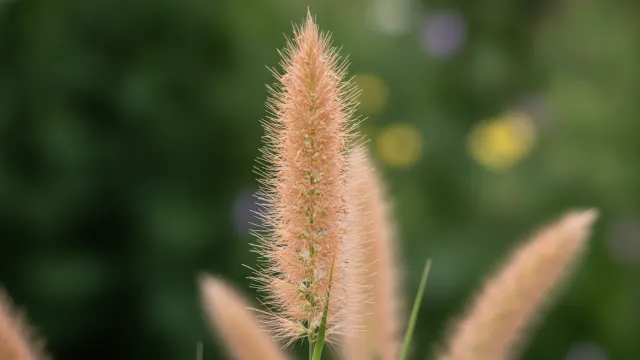
Panicum virgatum
An upright native grass that tolerates wet ground, adds movement, and stands all winter.
How a rain garden works
A rain garden is simply a shallow, planted dip positioned to catch runoff from a roof, path, or driveway. Water collects, then soaks away within a day or two rather than pooling. Plant the lowest, wettest center with the toughest moisture-lovers and the edges with plants that like it merely damp, and it will handle the next storm for you.
What is a rain garden?
A shallow planted basin set where water runs off a roof or driveway. It catches the runoff and lets it soak slowly into the ground, filtering pollutants and easing pressure on storm drains.
What plants grow in wet soil?
Cardinal flower, joe pye weed, ironweed, hardy hibiscus, and siberian iris for sun, and astilbe, ligularia, and goatsbeard for wet shade, plus shrubs like summersweet and winterberry.
What can I plant in an area that floods?
Choose plants that tolerate both wet and occasional drying, such as joe pye weed, switchgrass, siberian iris, and winterberry, and place the most water-tolerant in the lowest spots.
Design a garden with these plants
Open BloomsEye Studio with this guide's plants ready to drop onto a plan, then watch the whole bed bloom across the year. New to it? See what the free garden planner does.