
Winter
Evergreens and Winter Interest: A Garden With Bones
Do not let winter empty the garden. Evergreens, cold-season flowers, and berries that keep it alive when everything else sleeps.
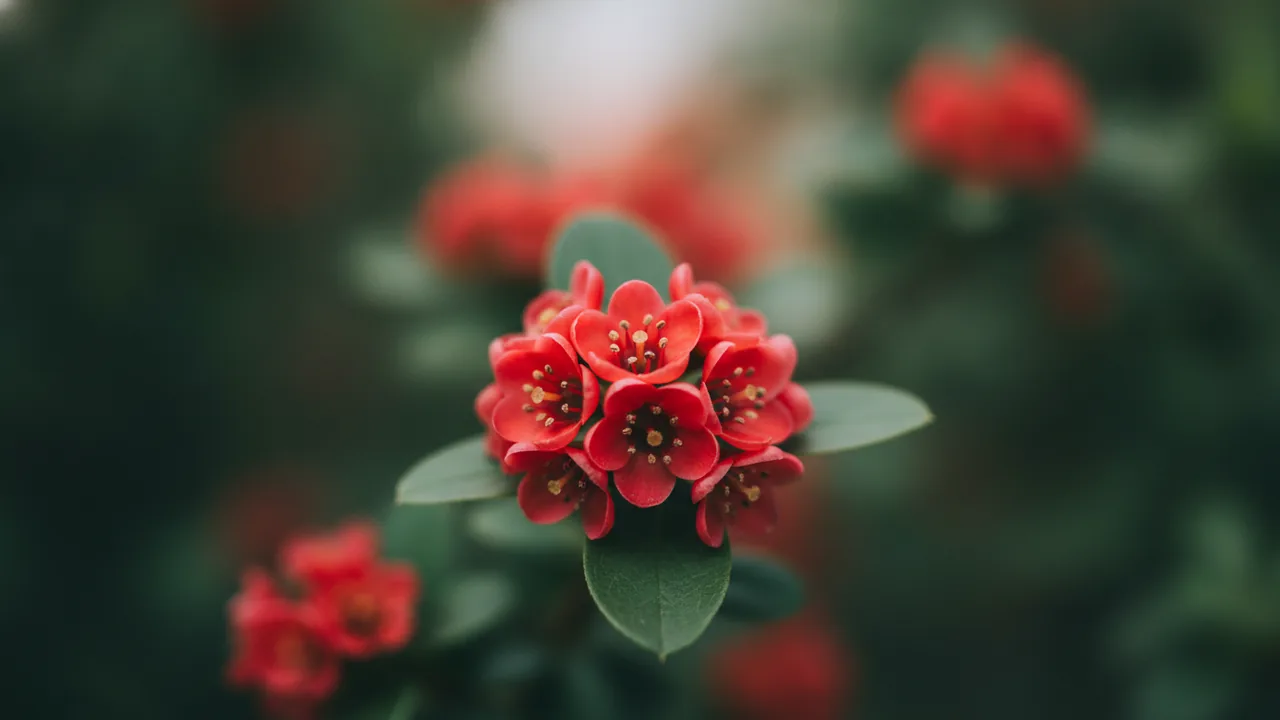
Most gardens give up in winter, which is a missed opportunity, because that is exactly when you most need something to look at. A garden with good bones, evergreen structure, a few brave winter flowers, and the skeletons of last summer left standing, can be quietly beautiful through the coldest, grayest months.
The key is to plan for winter on purpose: a backbone of evergreens, a handful of plants that flower in the cold, and seed heads and berries left up for the birds. Browse the full list of evergreen plants to build your backbone.
Evergreens for year-round structure
Evergreens are the bones of a winter garden, holding their shape and color when everything around them is bare. A few well-placed ones make all the difference.
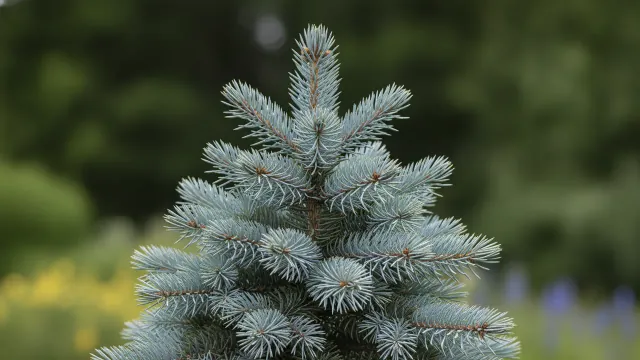
Picea pungens
Colorado blue spruce, a striking silver-blue specimen that anchors the garden all year.
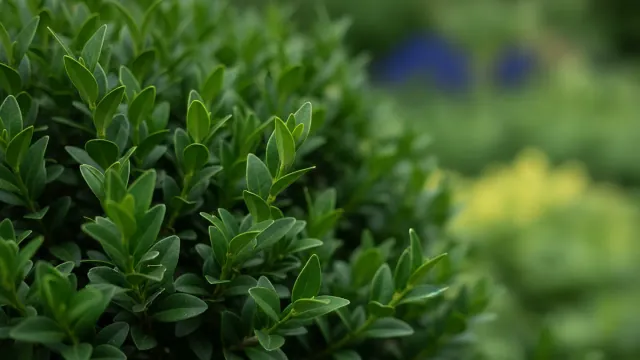
Buxus
The classic evergreen for clipped shapes and low hedging, green through the deepest winter.
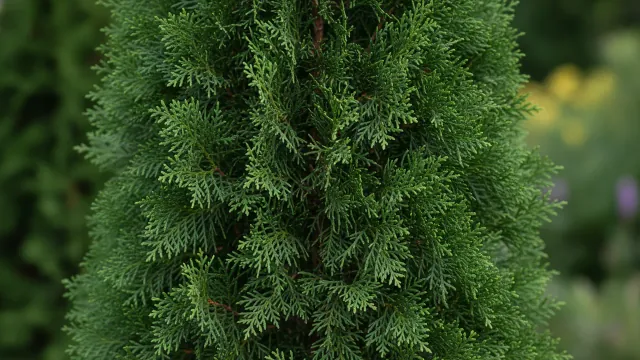
Thuja occidentalis 'Smaragd'
A neat, narrow column of bright evergreen, perfect for screening and vertical structure.
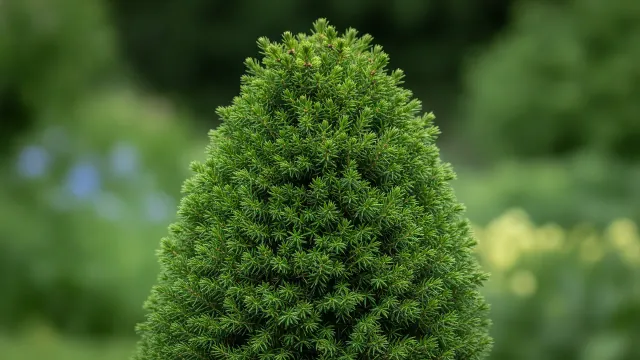
Picea glauca 'Conica'
A dense, tidy cone of soft green that needs no pruning, ideal in a bed or a pot.
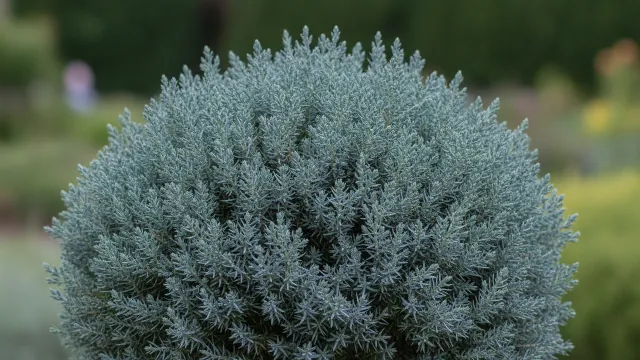
Juniperus squamata 'Blue Star'
A low mound of silver-blue needles that adds cool color and texture year-round.
Flowers in the cold months
A surprising number of plants flower in winter and very early spring, and because so little else is out, they are all the more precious.
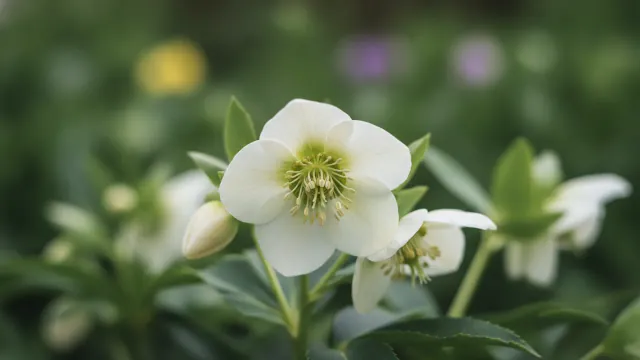
Helleborus niger
Pure white cups that open in the depths of winter on an evergreen, shade-loving plant.
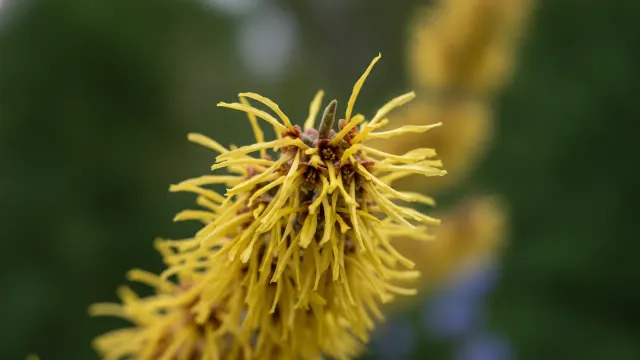
Hamamelis × intermedia 'Arnold Promise'
Spidery, fragrant yellow flowers on bare branches in the dead of winter.
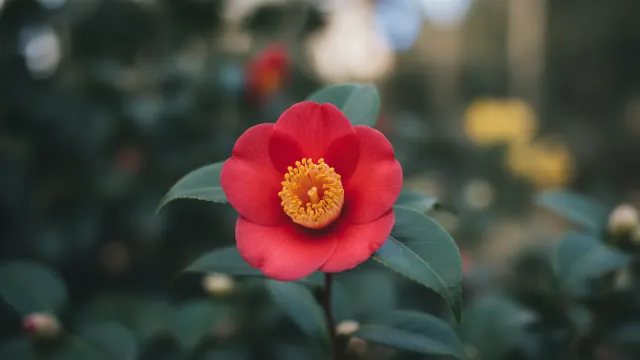
Camellia sasanqua 'Yuletide'
Glossy evergreen leaves and brilliant red flowers that open around the holidays (best in milder zones).
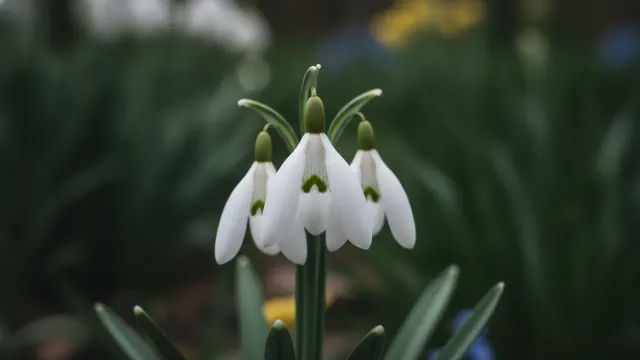
Galanthus
The most famous first flower, pushing white bells up through frost and even snow, though the hellebore and witch hazel above it here open even earlier.
Berries, seed heads, and grasses
Do not tidy everything away in fall. Berries, dried seed heads, and ornamental grasses carry color, texture, and food for birds right through winter.
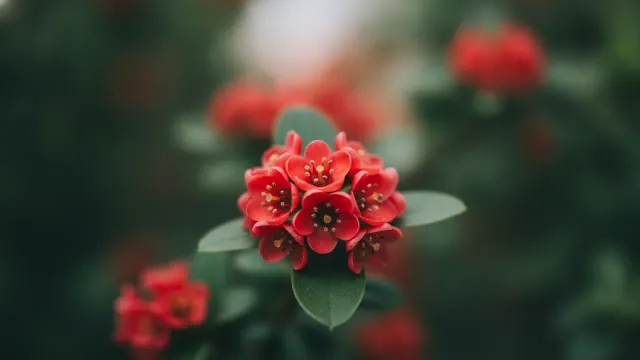
Ilex verticillata
A native holly that drops its leaves to reveal branches packed with brilliant red berries, glorious against snow.
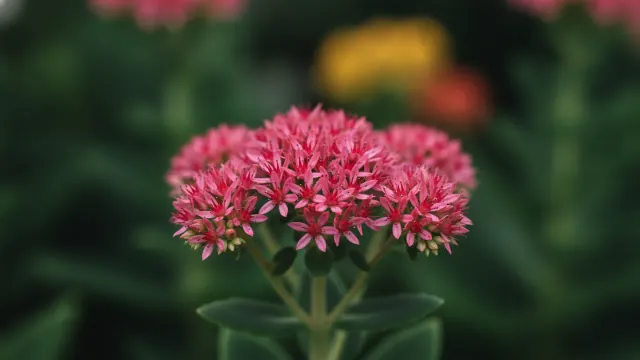
Hylotelephium 'Autumn Fire'
Sturdy flower heads that dry to rust and stand all winter, catching frost and feeding the birds.
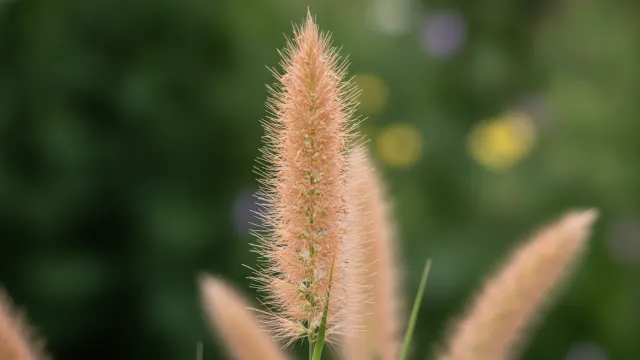
Panicum virgatum
An upright native grass that turns gold and stands tall through winter, rustling in the wind.
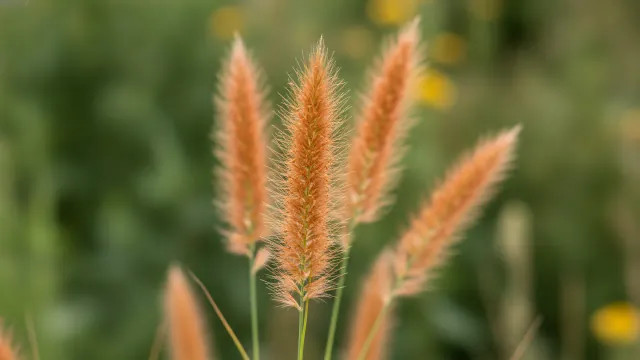
Schizachyrium scoparium
Fine blades that glow copper and orange well into winter, topped with fluffy silver seed heads.
Leave the garden standing
The biggest favor you can do your winter garden is to stop cutting everything back in fall. Standing seed heads and grasses feed birds, shelter insects, and look beautiful rimmed in frost. Save the big tidy-up for early spring.
What plants give a garden winter interest?
Evergreens for structure, winter-flowering plants like hellebores, witch hazel, and snowdrops, and the berries, seed heads, and ornamental grasses left standing from the summer garden.
What flowers bloom in winter?
Hellebores, witch hazel, snowdrops, and winter-flowering camellias all bloom in the coldest months, often from midwinter into early spring.
Should I cut my garden back in fall or spring?
Spring is often better. Leaving seed heads, grasses, and stems standing over winter feeds birds, shelters insects, and adds structure and frost interest. Tidy up as growth resumes in spring.
Design a garden with these plants
Open BloomsEye Studio with this guide's plants ready to drop onto a plan, then watch the whole bed bloom across the year. New to it? See what the free garden planner does.