Native range

Native plants of Alabama

191 wild species and 20 plant groups in the BloomsEye library grow wild somewhere in Alabama, read from Kew's World Checklist of Vascular Plants and USDA PLANTS. The 143 garden forms of them are listed apart on the first page, each naming its wild parent.

Showing 61 to 120 of 211 plants

How this list is made

Derived from each plant's native-range record, checked against Kew's World Checklist of Vascular Plants and USDA PLANTS with every decision on a ledger; Alabama is read off the record's own range, and the order is how many of the state's counties record each plant, as stored in the BloomsEye library, which was written with AI assistance. Of these 211 plants, 195 have been checked against outside sources (6 fully verified); the rest have not been checked yet, and each plant's own page says which. The cards are AI-generated illustrations.

Range data from the World Checklist of Vascular Plants, Royal Botanic Gardens, Kew (CC BY 4.0, adapted) and USDA PLANTS. How the native range is credited.
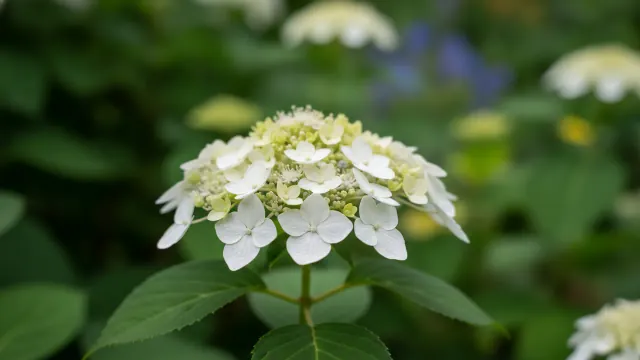
Smooth Hydrangea
Hydrangea arborescens
Part shadeZones 3–94 ftModerate
Listed as toxic to dogs and cats
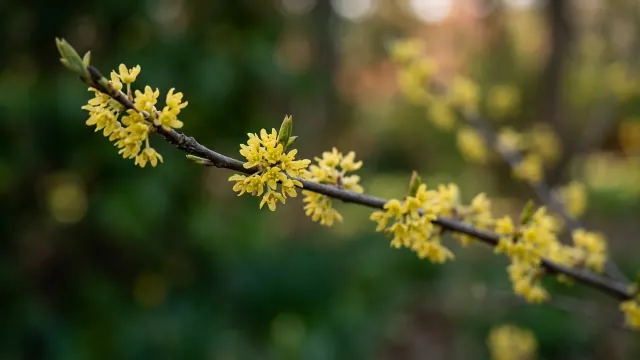
Spicebush
Lindera benzoin
Part shadeZones 4–99.5 ftModerate
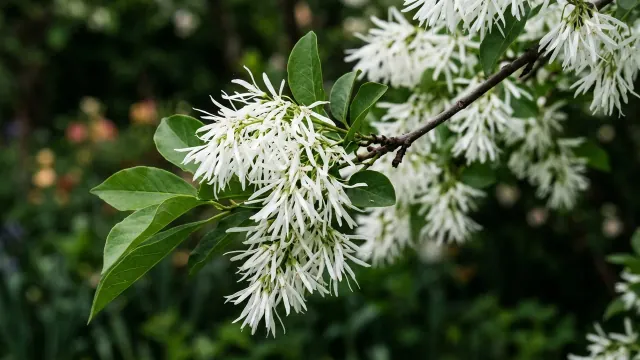
White Fringetree
Chionanthus virginicus
Full sunZones 3–917 ftModerate
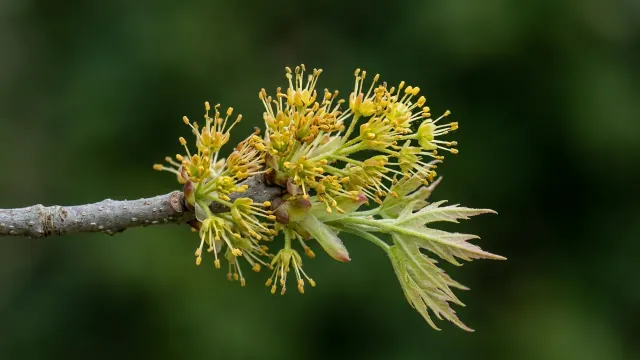
Silver Maple
Acer saccharinum
Full sunZones 3–939 ftModerate
Foliage
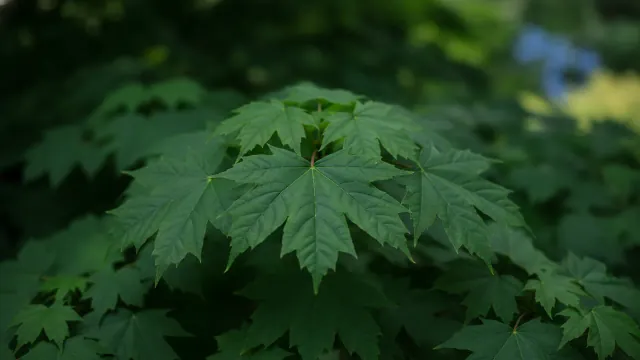
Sugar Maple
Acer saccharum
Full sunZones 3–859 ftModerate
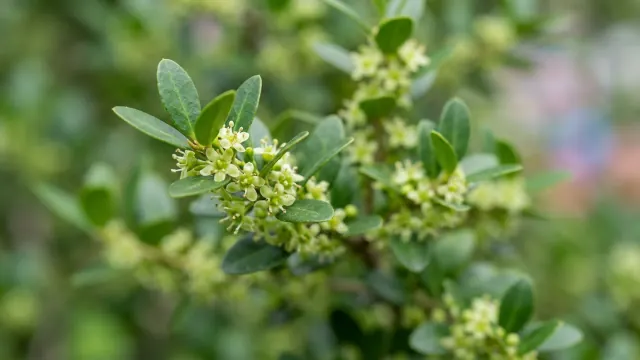
Yaupon Holly
Ilex vomitoria
Full sunZones 7–920 ftModerate
Listed as toxic to dogs and cats
Foliage
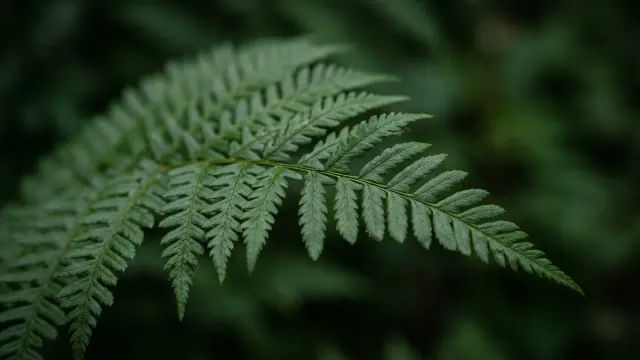
Marginal Wood Fern
Dryopteris marginalis
Part shadeZones 3–81.5 ftModerate
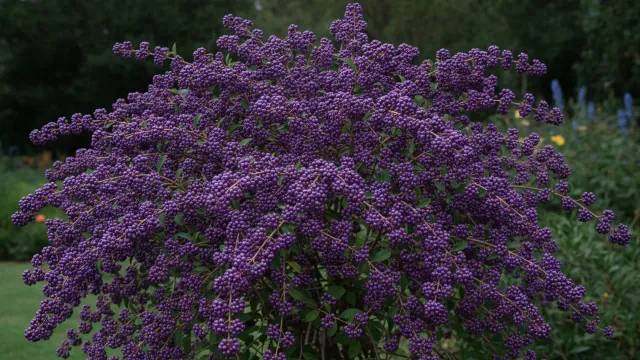
American Beautyberry
Callicarpa americana
Part sunZones 6–106 ftModerate
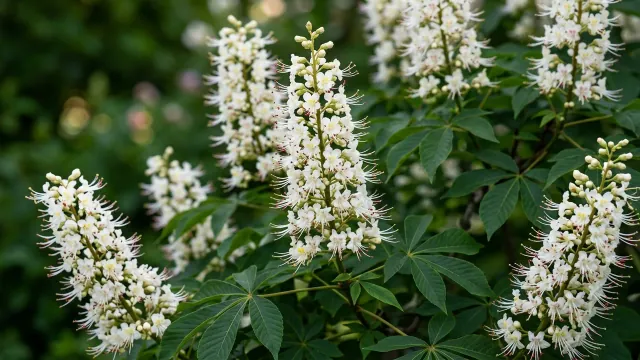
Bottlebrush Buckeye
Aesculus parviflora
Part shadeZones 5–810 ftModerate
Listed as toxic to dogs and cats
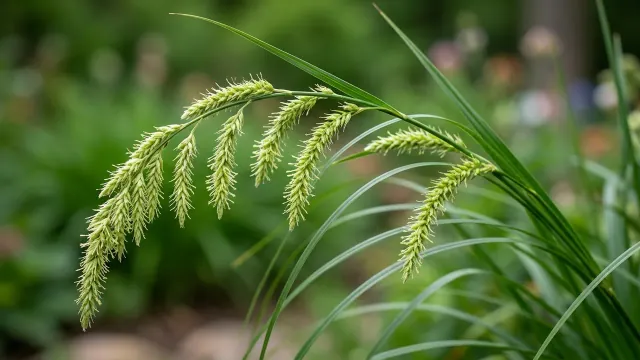
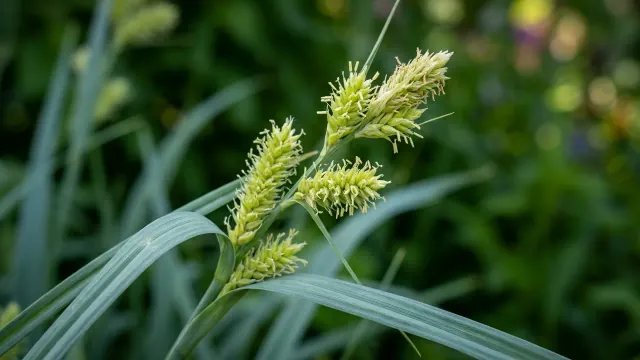
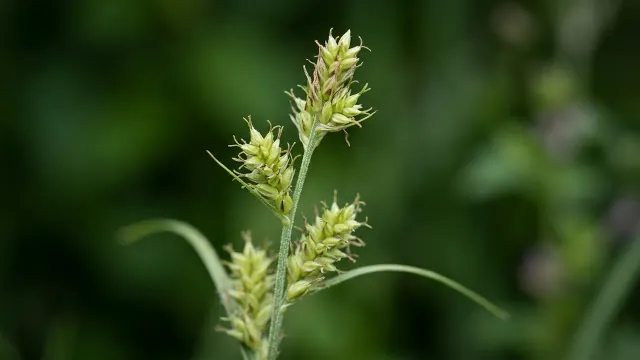
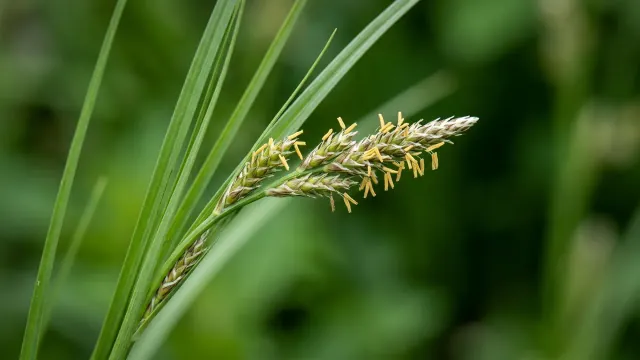
Cherokee Sedge
Carex cherokeensis
Part shadeZones 6–91.5 ftModerate
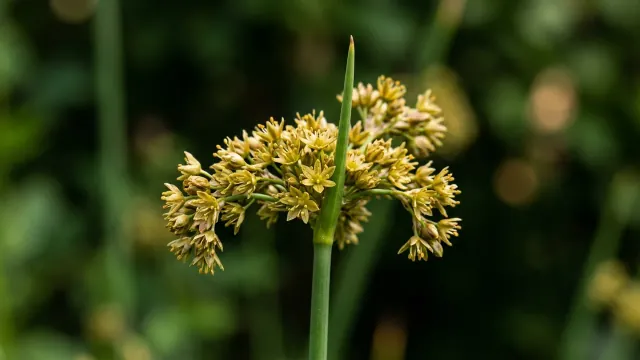
Soft Rush
Juncus effusus
Full sunZones 4–93 ftHigh
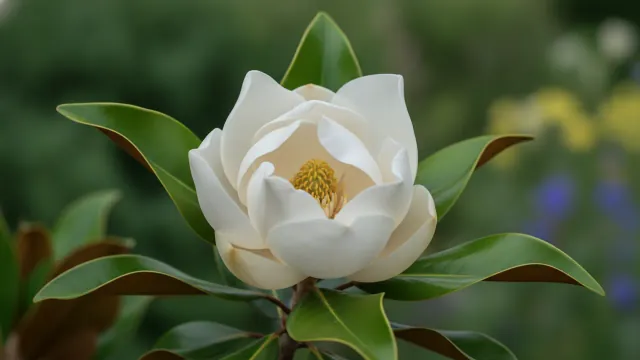
Southern Magnolia
Magnolia grandiflora
Full sunZones 7–1059 ftModerate
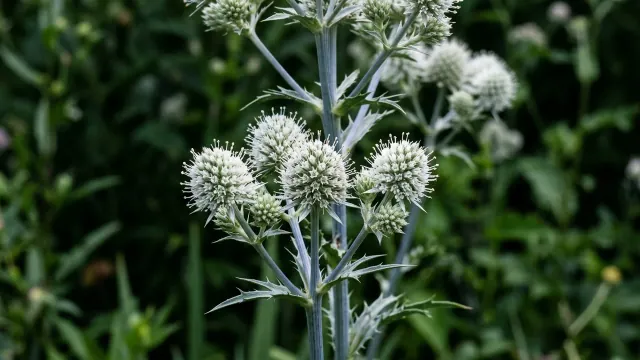
Rattlesnake Master
Eryngium yuccifolium
Full sunZones 3–94 ftModerate
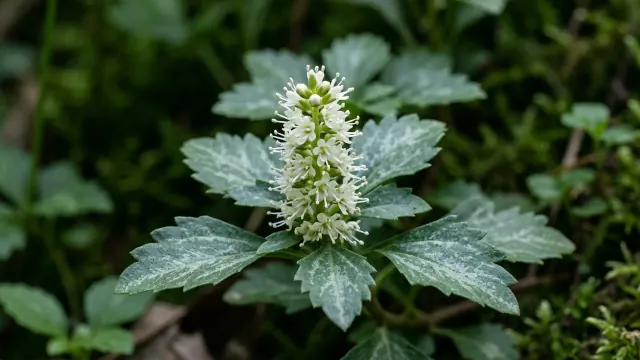
Allegheny Spurge
Pachysandra procumbens
Part shadeZones 5–98 inModerate
Listed as toxic to dogs and cats
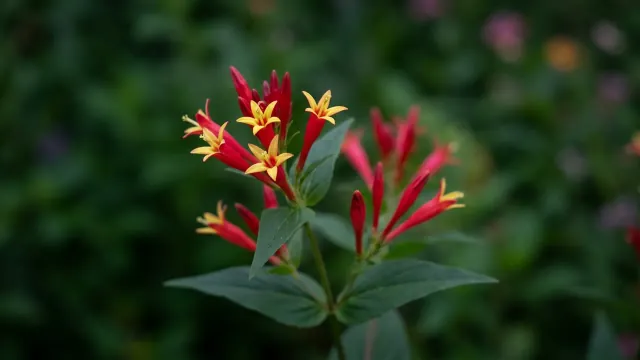
Indian Pink
Spigelia marilandica
Part shadeZones 5–91.5 ftModerate
Little Bluestem
Schizachyrium scoparium
Full sunZones 3–93.5 ftLow
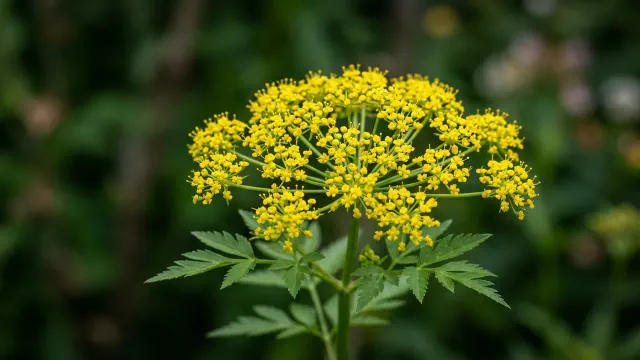
Golden Alexanders
Zizia aurea
Full sunZones 3–82 ftModerate
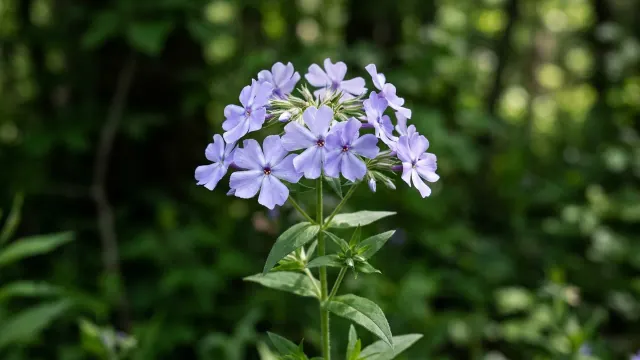
Woodland Phlox
Phlox divaricata
Part shadeZones 3–812 inModerate
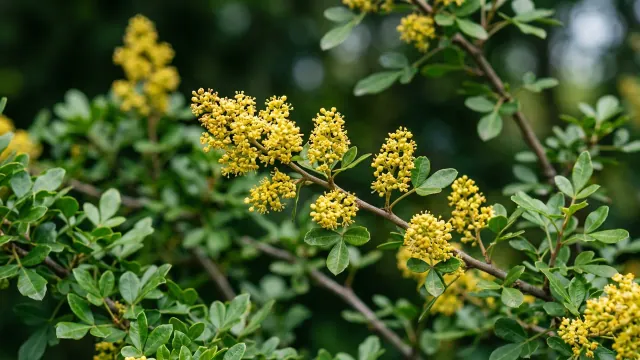
Fragrant Sumac
Rhus aromatica
Full sunZones 3–94.5 ftLow
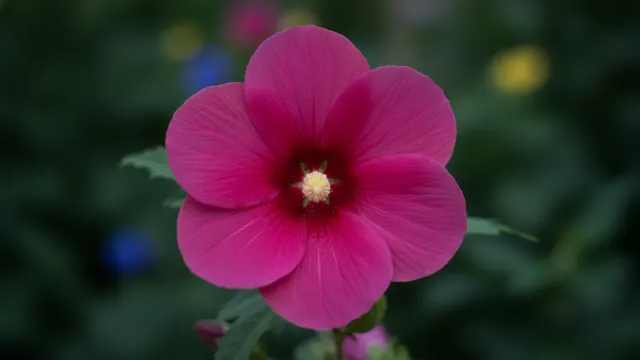
Hardy Hibiscus
Hibiscus moscheutos
Full sunZones 5–94 ftHigh
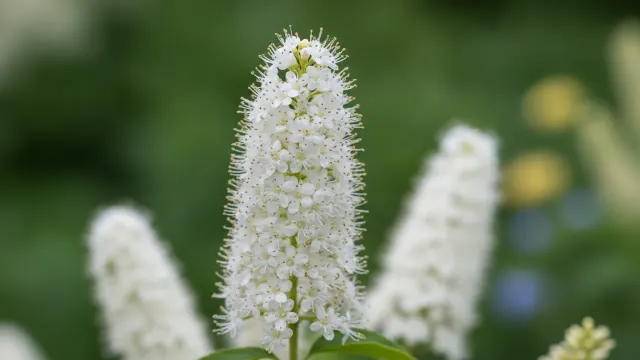
Summersweet
Clethra alnifolia
Part shadeZones 3–96 ftHigh
Blue Wood Sedge
Carex flaccosperma
Part shadeZones 5–88 inModerate
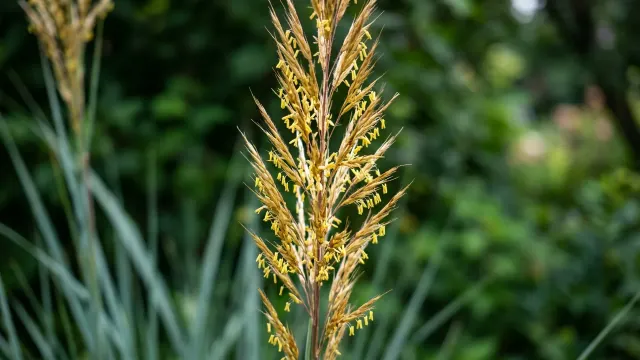
Indiangrass
Sorghastrum nutans
Full sunZones 4–96 ftModerate
Inkberry Holly
Ilex glabra
Full sunZones 4–97 ftModerate
Listed as toxic to dogs and cats
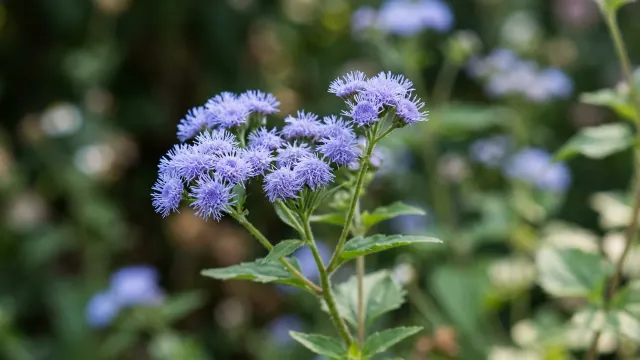
Blue Mistflower
Conoclinium coelestinum
Part shadeZones 5–102 ftModerate
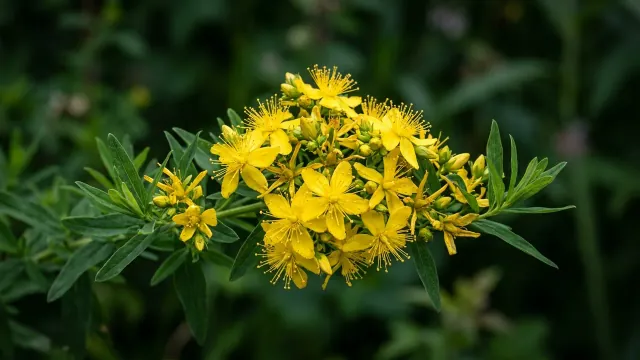
Shrubby St. John's Wort
Hypericum prolificum
Full sunZones 4–83 ftModerate
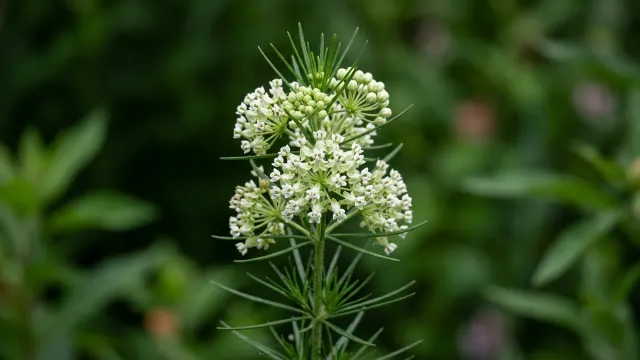
Whorled Milkweed
Asclepias verticillata
Full sunZones 4–91.5 ftModerate
Listed as toxic to dogs and cats
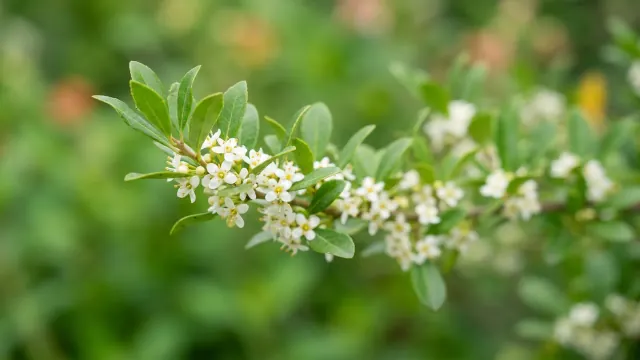
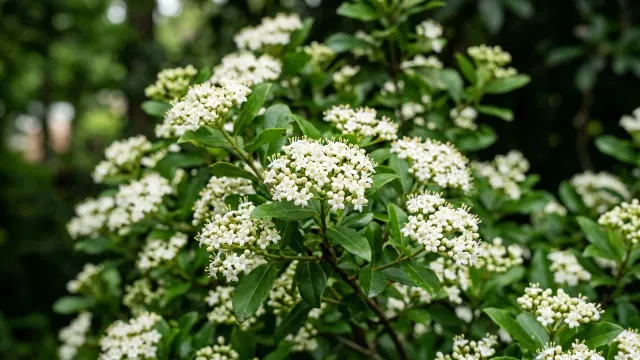
Possumhaw Viburnum
Viburnum nudum
Full sunZones 5–98.5 ftModerate
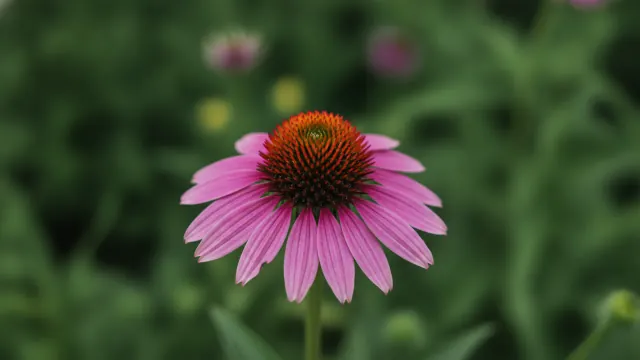
Purple Coneflower
Echinacea purpurea
Full sunZones 3–83 ftLow
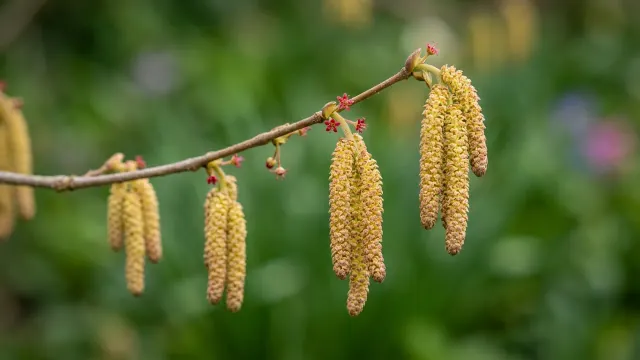
American Hazelnut
Corylus americana
Full sunZones 4–910 ftModerate
Rosy Sedge
Carex rosea
Part shadeZones 4–812 inModerate
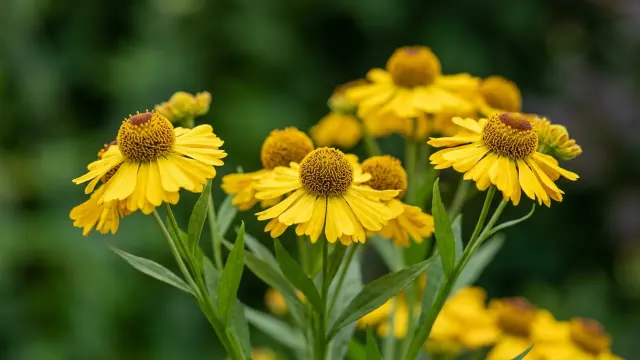
Common Sneezeweed
Helenium autumnale
Full sunZones 3–84 ftHigh
Foliage
Eastern Hemlock
Tsuga canadensis
Part shadeZones 3–749 ftModerate
Foliage
Hay Scented Fern
Dennstaedtia punctilobula
Part shadeZones 3–82 ftModerate
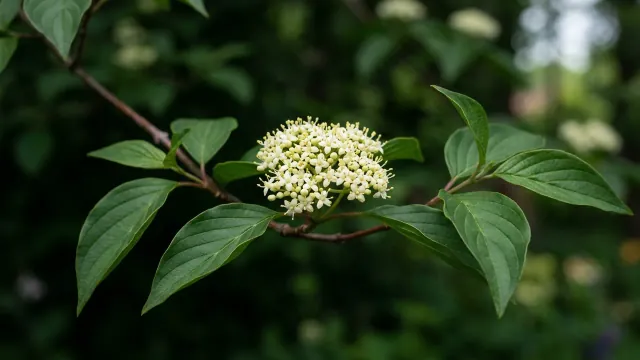
Pagoda Dogwood
Cornus alternifolia
Part shadeZones 3–720 ftModerate
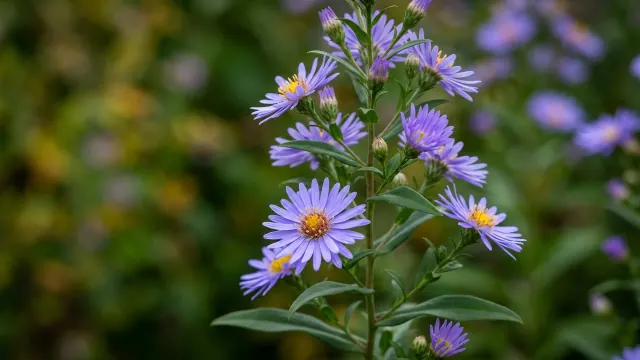
Smooth Blue Aster
Symphyotrichum laeve
Full sunZones 4–83 ftModerate
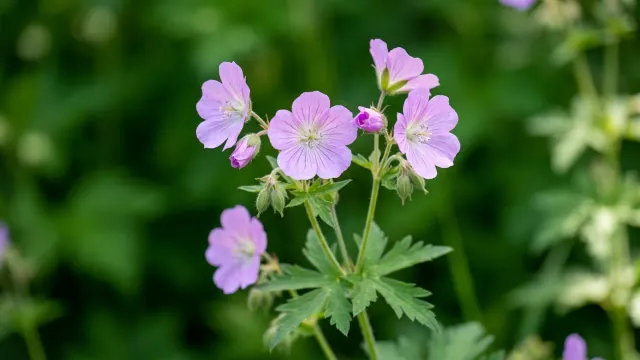
Wild Geranium
Geranium maculatum
Part shadeZones 3–81.5 ftModerate
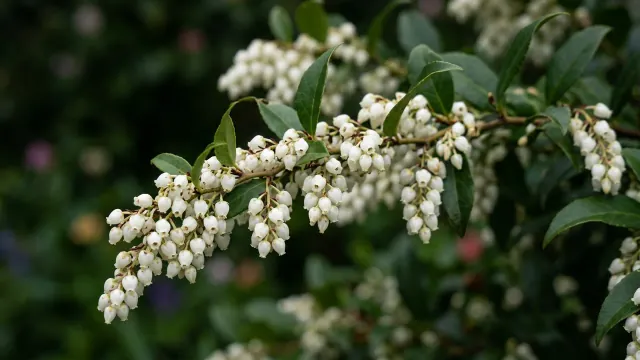
Coast Leucothoe
Leucothoe axillaris
Part shadeZones 5–93.5 ftModerate
Listed as toxic to dogs and cats
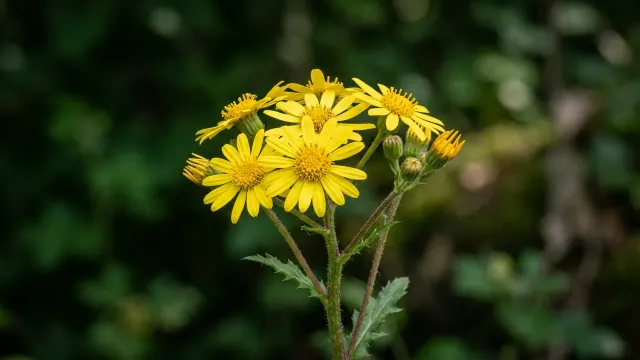
Roundleaf Ragwort
Packera obovata
Part shadeZones 3–81.5 ftModerate
Foliage
Wild Ginger
Asarum
Full shadeZones 4–86 inModerate
Listed as toxic to dogs and cats
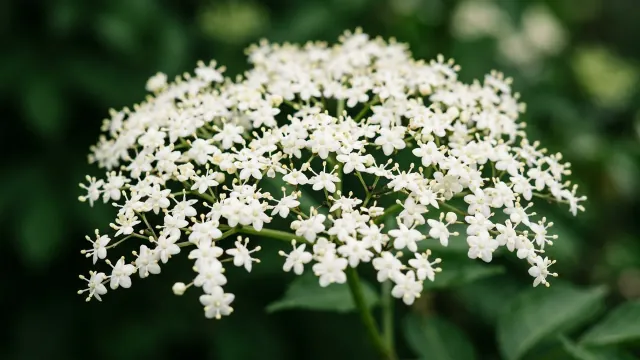
American Elderberry
Sambucus canadensis
Full sunZones 3–98.5 ftModerate
Listed as toxic to dogs and cats
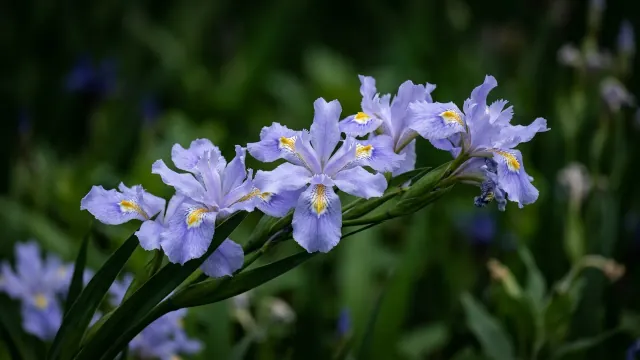
Dwarf Crested Iris
Iris cristata
Part shadeZones 4–88 inModerate
Listed as toxic to dogs and cats
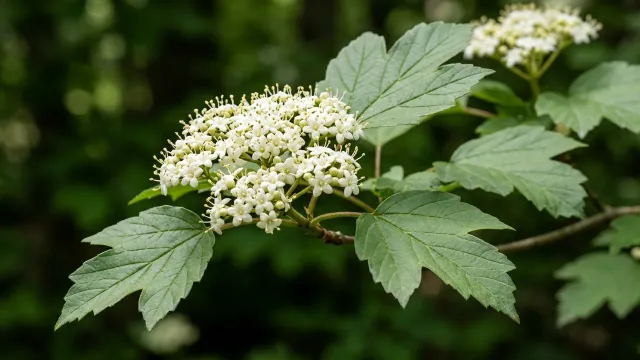
Mapleleaf Viburnum
Viburnum acerifolium
Part shadeZones 3–84.5 ftModerate
White-Tinged Sedge
Carex albicans
Part shadeZones 4–81.5 ftModerate
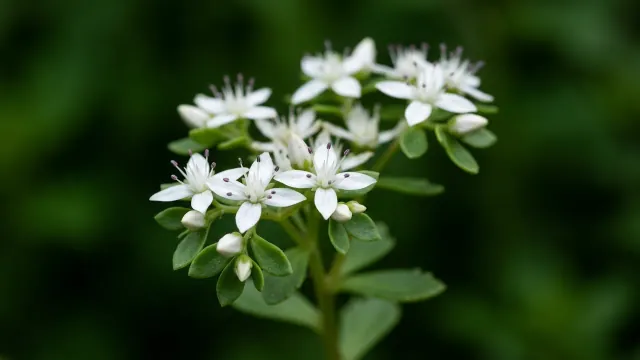
Woodland Stonecrop
Sedum ternatum
Part shadeZones 4–88 inModerate
Listed as toxic to dogs and cats
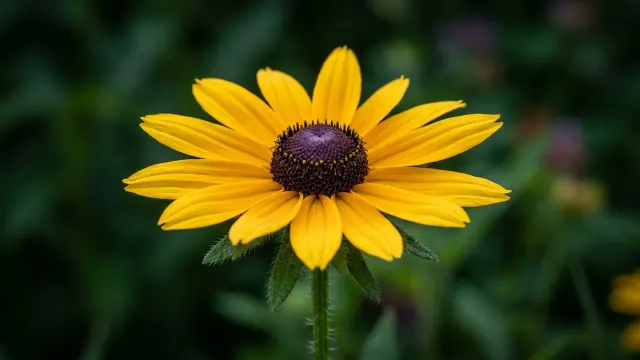
Common Black-Eyed Susan
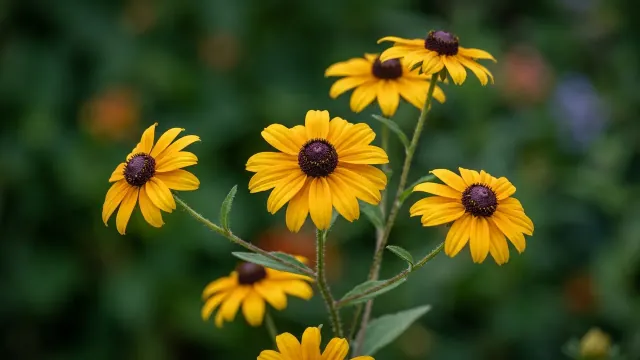
Rudbeckia hirta
Full sunZones 3–92.5 ftModerate
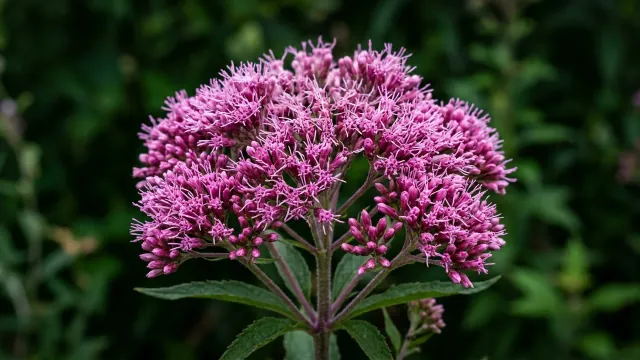
Hollow Joe Pye Weed
Eutrochium fistulosum
Full sunZones 4–86 ftModerate
Switchgrass
Panicum virgatum
Full sunZones 4–95 ftLow
Blue-Stemmed Goldenrod
Solidago caesia
Part shadeZones 4–82.5 ftModerate
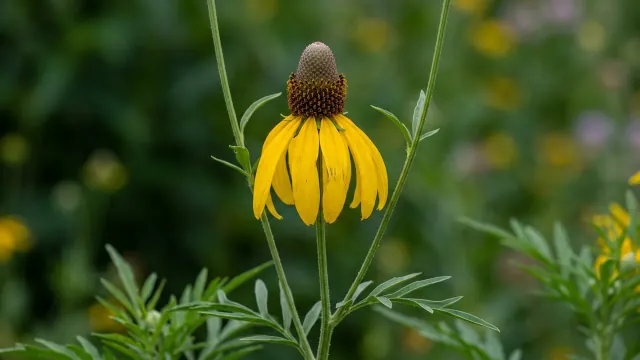
Gray-Headed Coneflower
Ratibida pinnata
Full sunZones 3–84 ftModerate
Gray's Sedge
Carex grayi
Full sunZones 5–92.5 ftModerate
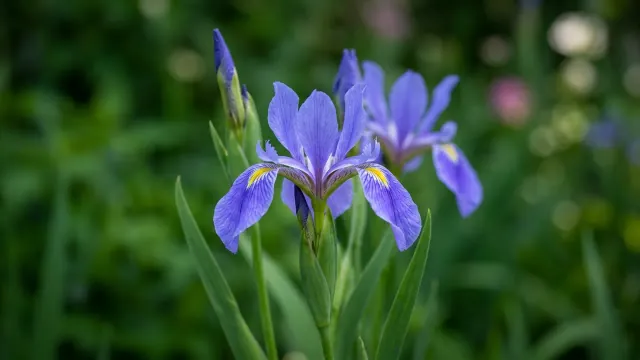
Southern Blue Flag
Iris virginica
Full sunZones 5–92.5 ftHigh
Listed as toxic to dogs and cats
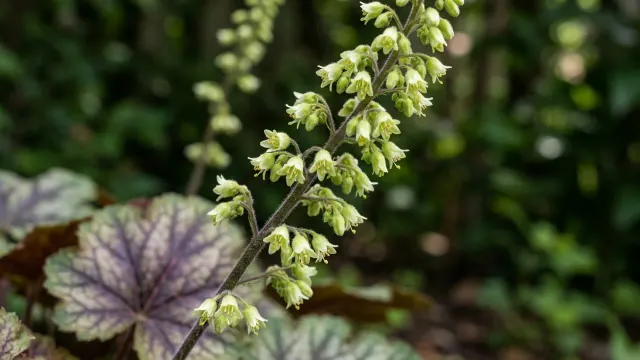
American Alumroot
Heuchera americana
Part shadeZones 4–92 ftModerate
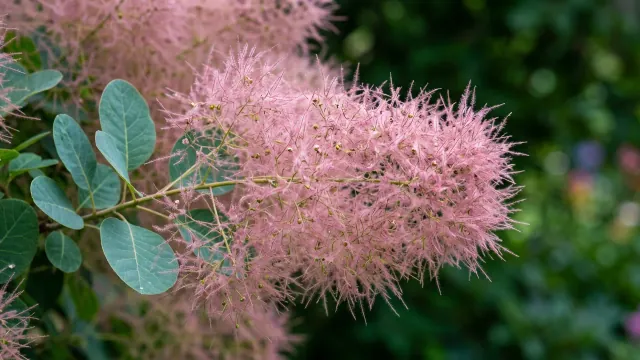
American Smoketree
Cotinus obovatus
Full sunZones 4–817 ftModerate
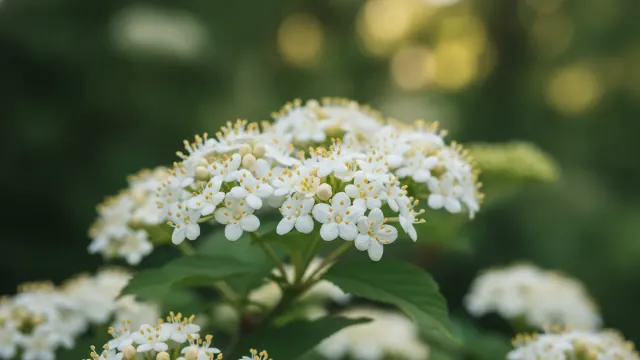
Arrowwood
Viburnum dentatum
Full sunZones 3–88 ftModerate
Live Oak
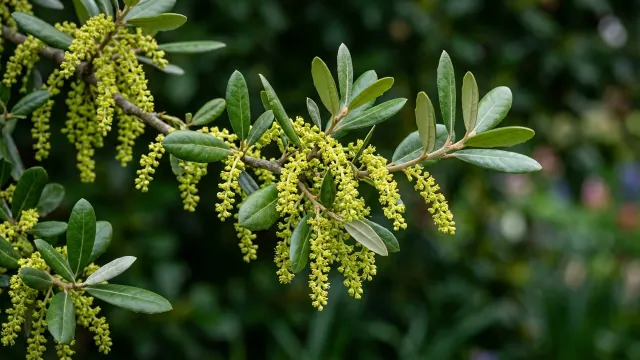
Quercus virginiana
Full sunZones 8–1060 ftModerate
Swamp Azalea
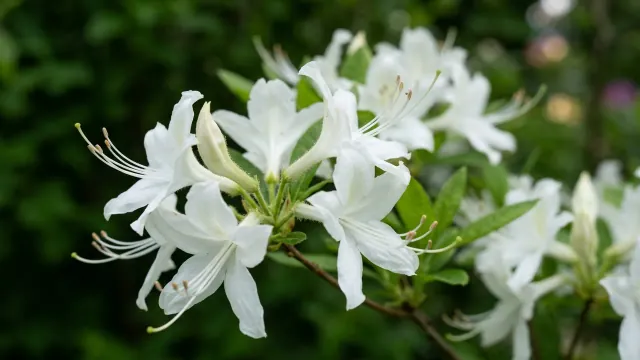
Rhododendron viscosum
Part shadeZones 4–95 ftModerate
Listed as toxic to dogs and cats
Virginia Bluebells
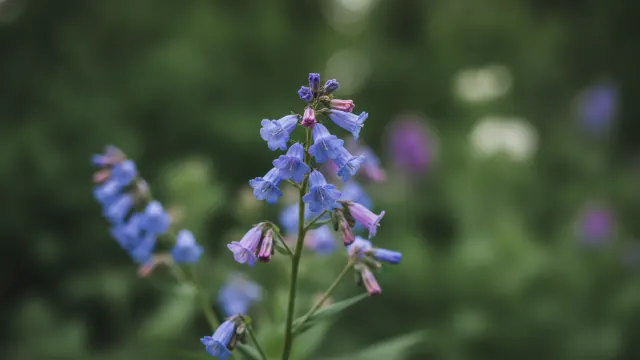
Mertensia virginica
Part shadeZones 3–81.5 ftModerate
Brown-Eyed Susan
Rudbeckia triloba
Full sunZones 4–83.5 ftModerate
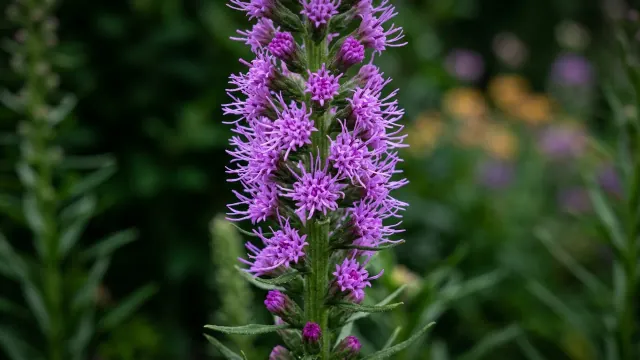
Dense Blazing Star
Liatris spicata
Full sunZones 3–83.5 ftModerate

Keep exploring

Design your garden

Drop plants onto a 3D plan, see how they fill in, and watch the whole garden bloom across the year.

Open BloomsEye Studio →